
Pests
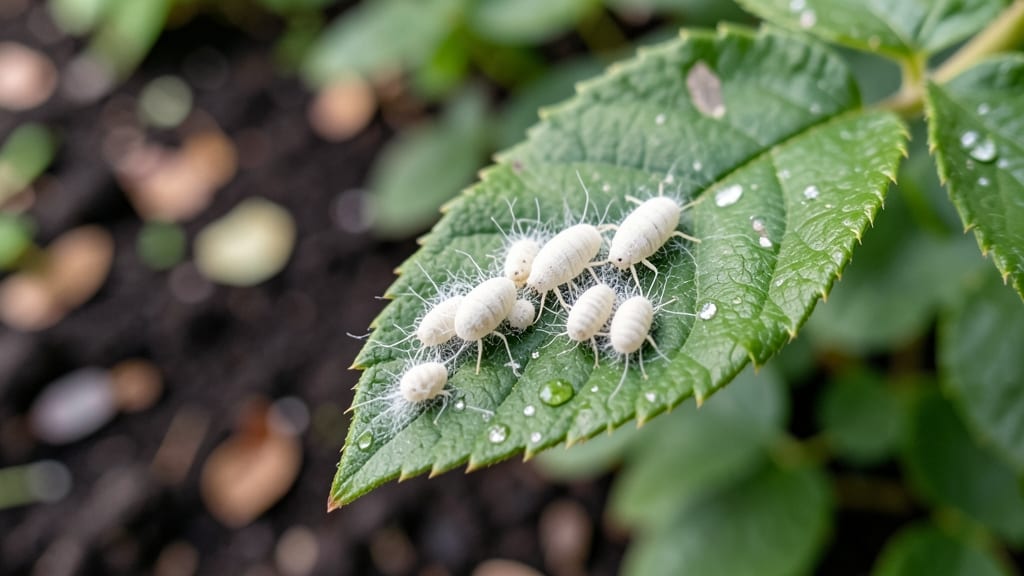
Mealybugs on your Rose of Sharon turn those glossy leaves into sticky, white messes—fast. 🌿 I’ve battled these pests on my own shrubs, and the key to saving your plant isn’t brute force but a targeted spray that works in days, not weeks.
Most gardeners grab harsh chemicals first, but the real fix starts with a simple, natural blend that smothers them without harming your blooms.
The problem isn’t just the bugs—it’s what they leave behind. Mealybugs excrete honeydew, which attracts sooty mold and weakens your Rose of Sharon’s ability to photosynthesize. My go-to remedy? A neem oil and soapy water spray applied at the first sign of cottony clusters.
You’ll see results within 3-5 days if you hit them early, and the solution is safer for bees and kids than chemical sprays.
By the end of treatment, your plant will be clean, lush, and ready to rebound with vibrant blooms. The secret isn’t just spraying—it’s pruning infested branches and monitoring new growth to catch outbreaks before they spread.
This method works even on mature shrubs, and once you master it, mealybugs become a non-issue.
Works for all Hibiscus varieties, from small patio plants to towering landscape shrubs. Here’s how to make the spray and apply it like a pro—no guesswork, just results.
Root Causes of Mealybug Infestations
Mealybugs may look like harmless fluffy cotton balls on your Hibiscus syriacus (Rose of Sharon), but they’re actually sneaky sap-sucking pests that thrive under specific conditions.
Understanding why they target your plant—and how to disrupt their cycle—is the first step to reclaiming your garden. Here’s why these pests show up uninvited.
Mealybugs are opportunistic feeders, and a stressed Rose of Sharon becomes their all-you-can-eat buffet. When your plant’s immune system is compromised, it struggles to produce sticky honeydew (a natural pest deterrent) and wilt-resistant defenses. Common triggers include:
- Overwatering or poor drainage: Soggy roots starve the plant of oxygen, weakening its vascular system. Mealybugs detect this distress and move in, drawn to the high sugar content in waterlogged leaves.
- Nutrient deficiencies: Low nitrogen or phosphorus levels make leaves softer and more palatable. A quick soil test can reveal if your Rose of Sharon is malnourished.
- Physical damage: Pruning wounds or hail scars create entry points. Mealybugs exploit these gaps to insert their proboscises (mouthparts) and feast on phloem sap.
💡 Pro Tip: Healthy plants repel pests naturally. Before treating mealybugs, audit your watering schedule and amend soil with compost to boost resilience.
Mealybugs are tropical hitchhikers that love warmth and humidity—conditions that also make your Rose of Sharon too comfortable. They thrive in:
| Factor | Mealybug’s Sweet Spot | How to Disrupt It |
|---|---|---|
| Temperature | 70–85°F (21–29°C) | Use shade cloth in peak summer or introduce predatory ladybugs to hunt them. |
| Humidity | 60%+ (they need moisture to reproduce) | Improve airflow with strategic pruning or a small fan on low. |
| Shelter | Undersides of leaves, leaf axils, or dense foliage | Thin out crowded branches to expose hiding spots to sunlight (they hate UV). |
⚠️ Warning: Greenhouse or indoor Rose of Sharon plants are high-risk—mealybugs multiply faster in controlled climates. Monitor humidity with a hygrometer and aim for 40–50%.
Mealybugs don’t just appear—they hitch rides. Your tools, plants, or even your shoes can transport them to your Rose of Sharon. Common culprits:
- Contaminated tools: Pruners, shears, or stakes used on infested plants transfer eggs or nymphs. Always disinfect tools with 70% isopropyl alcohol between uses.
- New plants: Nursery-bought Rose of Sharon (or nearby plants) may harbor hidden mealybugs. Quarantine new additions for 2 weeks and inspect every leaf.
- Compost or mulch: Organic matter can harbor mealybugs or their natural predators (like parasitic wasps). Sterilize compost by baking it at 160°F (71°C) for 30 minutes.
🔥 Hot Fix: If you suspect a recent purchase, isolate the plant immediately and treat it with neem oil before introducing it to your garden.
In a balanced ecosystem, mealybugs are kept in check by beneficial insects like ladybugs, lacewings, and parasitic wasps. But if your garden lacks biodiversity:
- Pesticide overuse: Chemical sprays kill both pests and their predators, creating a vacuum that mealybugs exploit.
- Monoculture planting: A yard full of only Rose of Sharon offers mealybugs a monopoly food source with no competition.
- Seasonal die-offs: Cold winters reduce predator populations, giving mealybugs a head start in spring.
🌡️ Climate Hack: Plant companion flowers like marigolds or dill to attract predator insects. Even a small patch of alyssum can lure ladybugs to your Rose of Sharon.
Natural Fixes for Stubborn Plant Pests
Mealybugs on your Rose of Sharon don’t have to be a lost cause! With the right approach—combining targeted treatments and preventive care—you can restore your plant’s health without harsh chemicals.
Below, we break down cause-specific solutions, from quick fixes to long-term strategies, so you can tackle these fuzzy invaders effectively.
---
If you catch mealybugs early, manual removal is your best first line of defense. These pests cluster in crevices, so grab a soft-bristled toothbrush, cotton swabs, or a damp microfiber cloth and gently scrub them off.
Focus on: - New growth tips (a favorite hiding spot!) - Under leaves and buds - Stems and leaf axils (where leaves meet the stem)
Pro Tip: 💡 Dispose of removed pests immediately—don’t toss them back into your garden! Seal them in a plastic bag or flush them down the toilet.
---
When infestations spread, natural sprays are a powerful, eco-friendly weapon. Here are three DIY recipes that work fast:
#### 1. Soap & Water Spray (Best for Active Infestations) Ingredients: - 1 tbsp mild liquid castile soap (or insecticidal soap) - 1 quart lukewarm water - 1 tsp neem oil (optional, for extra pest-deterring power)
How to Use: 👨🍳 Mix thoroughly in a spray bottle. 🥘 Spray directly on mealybugs (focus on undersides of leaves and stems). ⏰ Reapply every 5–7 days until pests are gone (usually 2–3 weeks).
Why It Works: Soap disrupts their waxy coating, dehydrating them. Neem oil adds a repellent bonus that confuses their mating signals.
---
#### 2. Alcohol & Water Drench (Quick Knockdown) Ingredients: - 1 part rubbing alcohol (70% isopropyl) - 3 parts water
How to Use: 🔪 Spray liberally on infested areas—alcohol kills on contact. ⚠️ Use cautiously (can dry out leaves if overused). Best for severe outbreaks when paired with other methods.
Why It Works: Alcohol dissolves their protective coating instantly, but it’s not a standalone solution—follow up with soap spray or neem oil.
---
#### 3. Neem Oil Solution (Preventative & Systemic) Ingredients: - 1 tbsp neem oil - 1 tsp honey or dish soap (as an emulsifier) - 1 quart water
How to Use: 🌡️ Apply in the evening (neem oil degrades in sunlight). 🎯 Spray until leaves are glistening, covering both sides. ✨ Reapply every 7–10 days for prevention.
Why It Works: Neem oil disrupts mealybug life cycles, making it harder for them to reproduce. It also strengthens plant immunity over time.
---
Once you’ve banished them, stop them from returning with these proactive steps:
- 🌱 Inspect New Plants: Quarantine newly purchased plants for 2–3 weeks before introducing them to your garden. - 🍃 Prune Regularly: Remove yellowing or dead leaves—mealybugs love weak spots. - 💦 Water at the Base: Avoid overhead watering, which creates a damp environment mealybugs adore. - 🐝 Encourage Beneficial Insects: Ladybugs, lacewings, and parasitic wasps eat mealybugs!
Plant dill, fennel, or marigolds nearby to attract them. - 🌡️ Maintain Balance: Over-fertilizing (especially with nitrogen) weakens plants. Use a balanced fertilizer (10-10-10) and follow package instructions.
--- If mealybugs keep coming back despite your efforts, consider: - Commercial Horticultural Oils (like Jardine or Saf-T-Side) for stubborn cases. - Systemic Granules (e.g., Imidacloprid) as a last resort—follow label instructions carefully.
--- Final Thought: 🎯 Consistency is key! Mealybugs are persistent, but with regular monitoring and treatment, your Rose of Sharon will bounce back stronger than ever. Start with soap sprays, add neem oil for prevention, and keep your plant healthy and happy—nature’s best pest defense!
Frequently asked questions about mealybugs on Rose of Sharon
How do I tell if my Rose of Sharon has mealybugs?
Look for cottony white clusters on stems, under leaves, or in leaf axils—the classic mealybug sign. You might also spot sticky residue (honeydew) on leaves or black sooty mold growing on that residue. Check new growth first, as they love tender shoots.
Will neem oil really work on mealybugs?
Yes! Neem oil disrupts mealybugs' life cycle and repels them effectively. Mix 1 tablespoon neem oil with 1 teaspoon soap and 1 quart water, then spray thoroughly on both leaf sides. Apply in the evening for best results—reapply every 7-10 days until gone.
Can I use rubbing alcohol to kill mealybugs?
70% isopropyl alcohol works as a quick knockdown. Mix equal parts alcohol and water in a spray bottle and apply directly to infested areas. It kills on contact but should be used cautiously—test on a small leaf first, as it can dry out foliage if overused.
How long does it take to eliminate mealybugs?
With consistent treatment, you'll typically see improvement in 3-5 days and full eradication in 2-3 weeks. Early intervention is key—waiting lets them multiply. Combine manual removal with sprays for fastest results, and keep monitoring new growth for signs of recurrence.
Will mealybugs kill my Rose of Sharon?
While they won't kill a healthy plant, severe infestations can weaken it by sucking sap and spreading sooty mold. The real danger is stress-induced decline—mealybugs create entry points for other pests/diseases. Act quickly with treatments and proper plant care to prevent long-term damage.