
Flowers
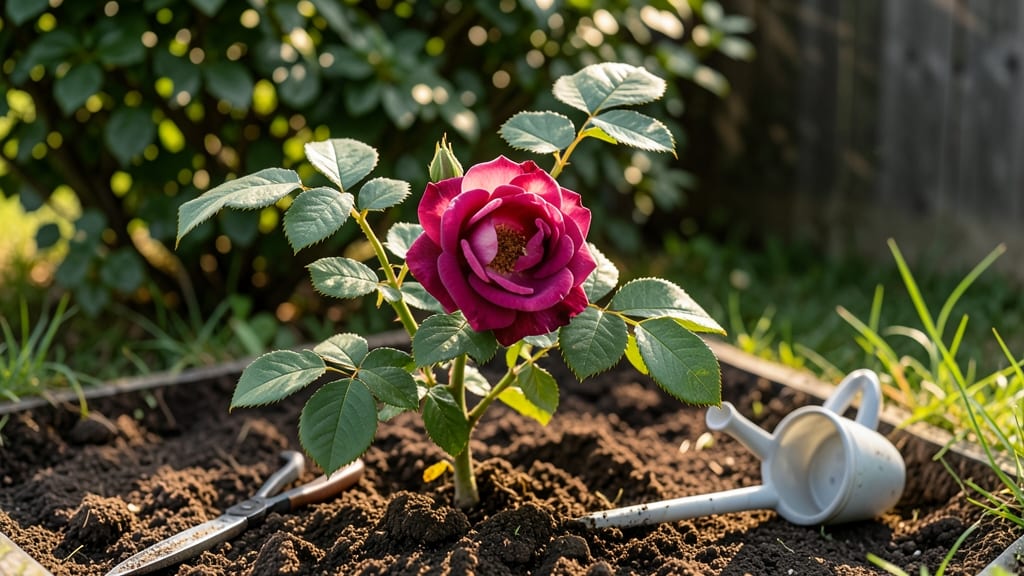
The peach rose's meaning goes beyond just its pretty color—it's a deliberate choice for expressing appreciation without being overly dramatic. 🌸 Unlike bold red roses that scream romance, peach roses whisper warmth and genuine thanks, making them perfect for thank-you gifts or acknowledging someone's kindness.
I've seen them used in wedding bouquets to represent the couple's gratitude to their families, or in hospital visits where the soft color feels comforting rather than overpowering.
What makes peach roses particularly special is how their symbolism bridges two powerful emotions: the joy of gratitude and the comfort of compassion.
This dual meaning is why florists often recommend them for milestone celebrations like anniversaries or graduations, where you want to convey heartfelt appreciation without the intensity of traditional red roses.
💡 In This Article
- Peach Rose Meaning in Floral Symbolism and History
- How to Use Peach Roses for Meaningful Gifts and Decor
Peach rose meaning in floral symbolism and history
The peach rose's symbolism stems from its unique blend of warmth and gratitude, rooted in the Victorian language of flowers where color carried precise emotional meanings. Unlike the bold red rose—traditionally linked to passionate love—the peach rose's soft, sun-kissed hue became associated with appreciation and sincerity during the 19th century.
Floral dictionaries from that era described peach-colored blooms as embodying "gentle affection" and "thankfulness," distinguishing them from their more dramatic counterparts.
Botanically, the peach rose's pale orange-pink pigmentation comes from anthocyanins mixed with carotenoids, creating a lighter spectrum than deep red roses.
This subtle color shift in the flower's biology directly correlates with its symbolic shift—where red represented intensity, peach conveyed warmth without overwhelm. 🌸 In Japanese culture, similar pastel roses symbolize "first love" but with a softer, more hopeful connotation than Western red roses, showing how cultural context shapes floral meanings.
The peach rose's historical significance also ties to its seasonal availability. Blooming from late spring through summer, it became a favorite for celebratory occasions like graduations and weddings, where gratitude was the central theme.
Victorian brides often included peach roses in bouquets to express thanks to their mothers or bridesmaids—a tradition that persists today in modern thank-you arrangements.
What's fascinating is how modern psychology aligns with this symbolism. Studies show that warm colors like peach trigger feelings of comfort and approachability, while still conveying positive emotion.
This makes peach roses ideal for professional thank-you gifts or workplace recognition, where you want to acknowledge someone without the intensity of red roses.
Culturally, peach roses appear in literature and art as symbols of renewed appreciation. For example, in 18th-century French poetry, peach-colored flowers represented "the gratitude of spring," contrasting with autumn's deeper hues associated with melancholy.
This seasonal symbolism explains why peach roses remain popular in spring and summer decor, where their cheerful color brightens spaces while carrying meaningful messages.
Consider this comparison: while a red rose might say "I love you passionately," a peach rose says "I appreciate you deeply." The difference lies in the tonal balance—peach roses soften strong emotions into something accessible and heartfelt, making them perfect for everyday expressions of gratitude.