
Propagation
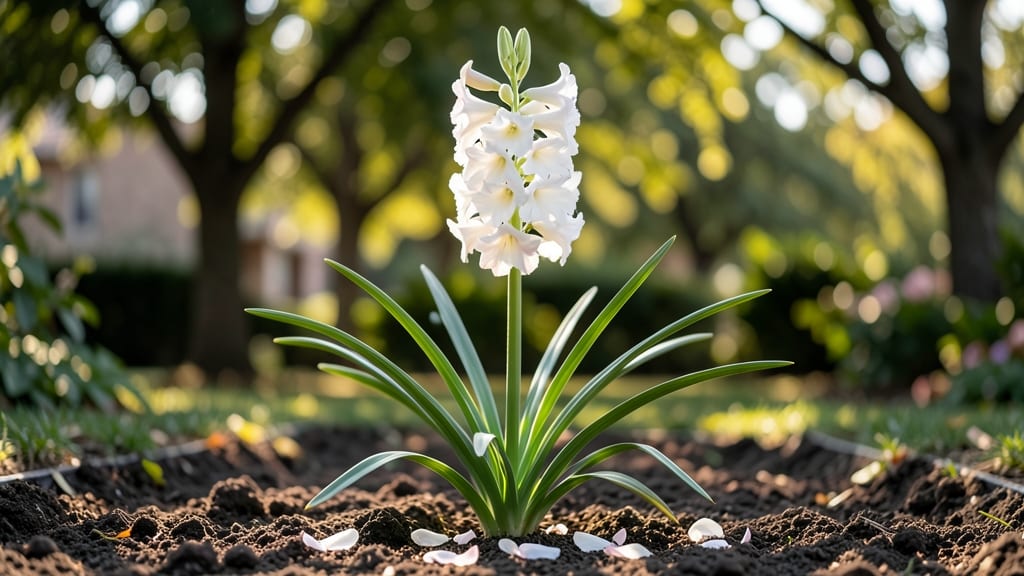
Growing fragrant Mexican tuberose bulbs transforms your containers into a moonlit perfume factory. 🌙 These bulbs thrive in warm climates and bring a sweet, jasmine-like scent to your garden after sunset—perfect for patios or balcony gardens where you can enjoy their nighttime magic.
Start with bulbs planted 3-4 inches deep in well-draining soil, spaced 6-8 inches apart in containers with drainage holes. They love full sun but appreciate afternoon shade in scorching climates.
Water deeply after planting, then keep the soil slightly moist but never soggy—overwatering is the #1 killer of these delicate beauties. By late summer, you’ll be rewarded with 6-foot-tall spikes of creamy white flowers that open at dusk and close by morning.
The fragrance lingers for hours, making it a standout for evening strolls or romantic garden settings. For container growing, choose pots at least 12 inches wide to give roots room to spread.
In cooler zones, dig up bulbs after the first frost and store them in dry peat moss until replanting next spring. Patience pays off—these bulbs take 2-3 years to reach their full fragrant potential.
📚 In This Guide
- What you need
- Instructions
- Tips and common mistakes
- Wrapping up and next steps
What you need
- ● Mexican tuberose bulbs: 3–5 bulbs (choose healthy, firm bulbs, 2–3 inches in diameter).
- ● Well-draining potting mix: 2–3 gallons (use a blend of cactus/succulent mix with perlite or sand for aeration).
- ● Containers: 1–2 large pots (12–18 inches deep) with drainage holes, or a hanging basket (for climbing varieties).
- ● Gravel or pebbles: 1–2 inches (for drainage at the bottom of the pot).
- ● Slow-release fertilizer: 1–2 tablespoons (balanced 10-10-10 or 5-10-5 for blooms).
- ● Watering can with a narrow spout: (for precise watering without disturbing bulbs).
- ● Pruning shears or scissors: (for trimming spent blooms or overgrowth).
- ● Garden gloves: (to protect hands while handling sharp bulb edges).
- ○ Mulch (optional): 1 inch of organic mulch (like bark chips) to retain moisture.
- ○ Support structure (optional): A trellis, bamboo stake, or wire mesh (for climbing varieties).
- ○ pH test kit (optional): To ensure soil pH is slightly acidic (6.0–6.5, ideal for tuberoses).
- ○ Liquid bloom booster (optional): Diluted fish emulsion or seaweed extract (every 4–6 weeks).
Step-by-step instructions for planting Mexican tuberose bulbs in containers
Here's how to coax those intoxicating night-blooms into your patio—with minimal fuss and maximum fragrance.
🌱 Step 1: Select and Prepare the Right Containers
Mexican tuberoses need well-draining containers with drainage holes—terracotta pots are ideal because they breathe and prevent root rot. Choose pots that are at least 12 inches deep and 14 inches wide for each bulb, since these plants develop extensive root systems. I like to use unglazed terracotta for its natural moisture-wicking properties, but plastic works too if you add extra perlite.
Fill the bottom 2 inches of the pot with coarse gravel or perlite to create a drainage layer. This prevents water from pooling at the bulb’s base, which is critical—tuberoses despise soggy roots. Tap the pot gently to settle the drainage layer before adding soil. If your pot has no holes, drill a few ¼-inch holes in the bottom to ensure excess water escapes.
🪴 Step 2: Plant Bulbs at the Correct Depth and Spacing
Mexican tuberoses thrive when planted 2 inches deep—deeper than many bulbs, but not so deep that the neck (the tapered top) is buried. Gently place the bulb in the center of the pot, neck-side up, with the pointed end facing upward. The bulb’s base should sit 1 inch above the drainage layer to avoid rot.
For four plants per pot, space bulbs 4-6 inches apart in a circular pattern. This arrangement mimics their natural clustering and gives each bulb room to develop strong roots. Press the soil lightly around the bulbs to eliminate air pockets, but don’t compact it—tuberoses need loose, aerated soil to encourage root growth. Water gently after planting to settle the soil without displacing the bulbs.
☀️ Step 3: Provide Full Sun and Warmth for Establishment
Place your containers in a location that receives full sun (6+ hours daily)—tuberoses are sun-worshippers and won’t bloom without it. A south-facing patio or balcony is perfect, but if you’re in a hot climate, provide afternoon shade to prevent leaf scorch. I’ve found that morning sun with afternoon shade works best in zones with intense afternoon heat.
Keep the soil evenly moist but not soggy during the first 4-6 weeks—this is when roots establish. Water when the top 2 inches of soil feel dry, but avoid wetting the leaves to prevent fungal issues. Once the plants are 6 inches tall, reduce watering slightly to encourage bulb development. Fertilize lightly with a balanced 10-10-10 formula every 4 weeks to support growth without overfeeding.
💧 Step 4: Encourage Blooming with Proper Care
Mexican tuberoses bloom at night, so you won’t see the flowers until late afternoon or evening—their strong, sweet fragrance is the first clue they’re open. To trigger blooming, reduce watering slightly once the plants reach 12 inches tall, allowing the soil to dry out 1 inch deep between waterings. This stress mimics their natural drought cycle and prompts flower production.
Deadhead spent blooms immediately to redirect energy into new flowers. Use clean pruners to snip off faded blooms at the base, but avoid cutting into the foliage. If your plant becomes too leggy, trim back the stems by one-third to encourage bushier growth. By mid-summer, you should see clusters of trumpet-shaped flowers opening nightly—each one releasing a scent strong enough to perfume the entire patio.
⏰ Step 5: Overwintering for Next Season’s Blooms
When temperatures drop below 50°F at night, tuberoses enter dormancy. Stop watering entirely and allow the foliage to yellow and die back naturally. Once the leaves are completely brown, cut them back to 2 inches above the soil. Store the pots in a cool, dry place (40-50°F)—a garage or shed works well—until late winter or early spring.
In early spring, repot the bulbs if they’ve outgrown their containers, using fresh well-draining soil. Resume watering and fertilizing, and place them back in full sun to restart growth. With proper overwintering, your tuberoses will return stronger and more prolific each year, rewarding you with months of fragrant nighttime blooms.
Tips & tricks for perfect Mexican tuberose bulbs
Here's what nobody tells you about growing these fragrant nighttime stars—lessons from my own trial-and-error seasons.
Container Material Matters: While terracotta is ideal for its breathability, plastic containers work perfectly if you add an extra 1-2 inches of perlite to the drainage layer. I've found that glazed ceramic pots trap too much moisture—always choose unglazed surfaces or ensure proper drainage modifications. The key is preventing water from pooling around the bulb base, which can cause rot in just 4-6 weeks of improper drainage.
Bulb Orientation is Critical: Planting Mexican tuberose bulbs with the neck-side up isn't just tradition—it's biology. The tapered top contains growth nodes that need to remain above soil level. If you bury the neck, you'll stunt growth and reduce blooming potential. After planting, gently press soil around the base but avoid compacting it—tuberoses need aerated soil for root development.
Sunlight Strategy for Hot Climates: In zones with intense afternoon heat, I've had success with a strategic approach: place containers where they receive full morning sun (6+ hours) and move them to partial shade by early afternoon. This prevents leaf scorch while still providing the essential light for blooming. The fragrance reward makes this small adjustment completely worth it.
Overwintering Insight: When storing dormant bulbs at 40-50°F, I place a small handful of dry cat litter in the bottom of the storage container. This absorbs any excess moisture that might develop during winter storage, keeping the bulbs perfectly dry until spring. The litter also helps prevent fungal issues that can develop in damp storage environments.
Pro Tips for Mexican Tuberose Bulbs
- Here's what nobody tells you about growing these fragrant nighttime stars—lessons from my own trial-and-error seasons.
- Container Material Matters: While terracotta is ideal for its breathability, plastic containers work perfectly if you...
- Bulb Orientation is Critical: Planting Mexican tuberose bulbs with the neck-side up isn't just tradition—it's biology...
Frequently asked questions
Got questions about growing Mexican tuberose bulbs? You’re not alone! Here are some of the most common concerns—plus expert tips to help you succeed.
When is the best time to plant Mexican tuberose bulbs?
Plant your bulbs in late spring or early summer (after the last frost) for optimal growth. They thrive in warm soil (70°F+), so wait until temperatures are consistently mild. In warmer climates, you can plant as early as March—just ensure the ground isn’t soggy!
How cold-hardy are Mexican tuberose bulbs?
These bulbs are not frost-tolerant—they’ll die in freezing temps. If you live in a cold climate, treat them as annuals or dig them up before winter. In zones 9-11, they may overwinter with mulch, but most gardeners replant fresh bulbs each year for best results.
Can I grow Mexican tuberose bulbs in containers?
They’re perfect for pots—just use a container at least 12 inches deep with drainage holes. Mix in well-draining potting soil and place them in a sunny spot. Move containers indoors (or to a garage) before frost to extend their life.
Why aren’t my Mexican tuberose bulbs blooming?
No blooms? Check these fixes:
- Not enough sun: They need 6+ hours of direct sunlight daily.
- Overcrowded bulbs: Space them 12–18 inches apart for airflow.
- Poor soil: Amend with compost or a slow-release fertilizer in spring.
- Young plants: First-year bulbs often focus on roots—blooms may appear next season!
What can I plant alongside Mexican tuberose bulbs for a fragrant combo?
Pair them with night-scented flowers like:
- Night-blooming jasmine
- Moonflower vine
- Sweet alyssum (for daytime fragrance)
Wrapping up and next steps
Growing Mexican tuberose bulbs is a rewarding way to add fragrant, exotic beauty to your containers—even if you’re new to gardening! 🌙 With the right care, these night-blooming stars will thrive, filling your space with intoxicating scent and stunning visuals.
Now that you’re armed with the how-to and answers to common questions, it’s time to roll up your sleeves and plant!
Start by selecting a sunny spot, prepping your containers, and planting those bulbs with confidence. Watch your garden transform as those delicate blooms unfurl under the moonlight—your future self (and neighbors!) will thank you. Ready to dig in? Let’s make your container garden bloom with magic! ✨