
Diseases
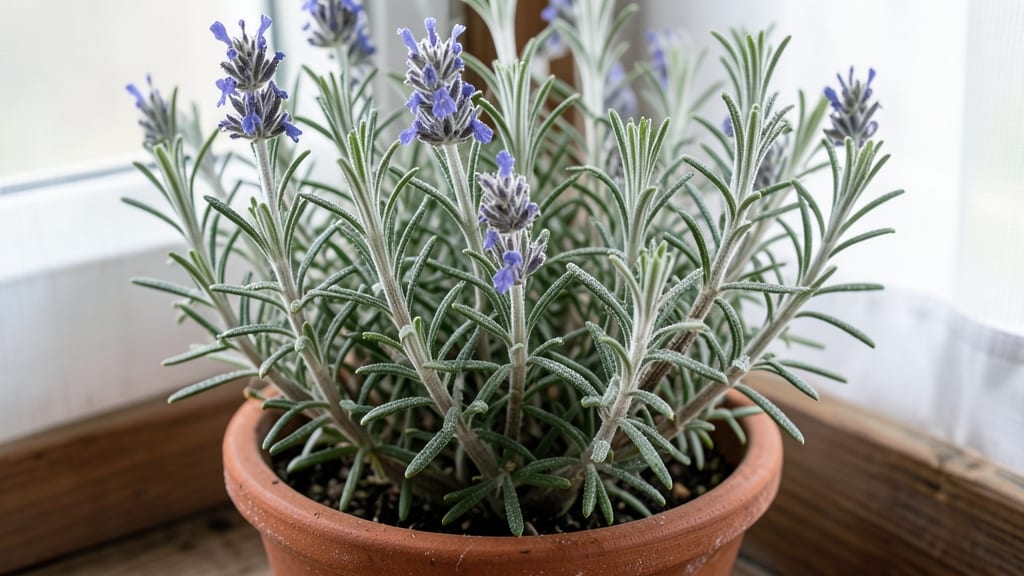
That white powdery film on your rosemary isn’t just unsightly—it’s stealing its life force. 🌿 I’ve nursed back mildew-stricken rosemary plants to full, fragrant health using just three organic steps, and I’ll show you exactly how to do it without harsh chemicals.
The key is acting fast before the mildew spreads to the woody stems.
Mildew thrives when rosemary gets too cozy—think high humidity, crowded pots, or poor airflow. I’ve seen it turn vibrant green bushes into sad, yellowing shadows in just a few weeks.
The good news? Rosemary is tougher than it looks, and with the right care, you can bring it back to its aromatic best—even if it’s been struggling for months.
Start by pruning away the worst-infected branches (don’t compost them!) and give the plant a shower to wash off spores. Then, mix up a neem oil spray—it’s the secret weapon that stops mildew in its tracks.
Within a week, you’ll see new growth pushing through, and those piney needles will smell fresh again.
For Mediterranean climates, this happens less often, but in cooler zones, watch for mildew after spring rains. The trick is spacing plants properly and avoiding overhead watering.
If your rosemary is already heavily infected, it might not fully recover—but with these steps, you’ll have a new crop of healthy stems growing in no time.
Root Causes Of Fungal Growth
Rosemary’s woody, aromatic stems are prized in kitchens and gardens—but when fuzzy gray or white spots appear, it’s a sign of mildew, a fungal infection that thrives in specific conditions. Understanding why this happens is the first step to preventing and treating it.
Below, we break down the key factors that invite mildew onto your rosemary, from environmental triggers to plant vulnerabilities.
Mildew spores love stagnant, damp air. When rosemary grows too densely—whether in pots or garden beds—leaves and stems block airflow, trapping moisture against the plant. This creates a perfect breeding ground for fungal spores, which germinate and spread rapidly in humidity levels above 70%.
Why it matters:
- Rosemary’s thin, needle-like leaves don’t dry quickly, so even light watering can leave droplets lingering for hours.
- Overcrowded plants retain humidity near the foliage, while compact soil stays soggy longer.
- Greenhouses, indoor pots, or shaded spots amplify the risk by preventing natural airflow.
Actionable fix: Prune rosemary to 3–4 inches apart and avoid overhead watering. Use a fan in indoor setups to stir air and reduce humidity.
Rosemary is a drought-tolerant Mediterranean herb, meaning it evolved to thrive in dry, rocky soils. When overwatered, its roots suffocate, and the soil stays chronically wet—ideal for mildew-causing fungi like Botrytis cinerea or Podosphaera species.
Why it matters:
- Waterlogged soil cuts off oxygen to roots, weakening the plant’s defenses.
- Excess moisture on leaves (from bottom-watering pots or rain) creates a film that spores latch onto.
- Slow-draining containers or clay-heavy soil hold water too long, delaying evaporation.
Actionable fix:
- Let soil dry completely between waterings—stick your finger in 1–2 inches deep; if damp, wait.
- Use well-draining mixes (60% potting soil, 30% perlite, 10% sand) and pots with drainage holes.
- Water at the base (not overhead) and early in the day so leaves dry by nightfall.
A rosemary plant stressed by poor nutrition, pests, or disease is far more susceptible to mildew. Fungi exploit plants that are deficient in nitrogen, phosphorus, or micronutrients like calcium or magnesium, which weaken cell walls.
Why it matters:
- Nitrogen deficiency (yellowing leaves) reduces chlorophyll, making foliage less resilient to pathogens.
- Phosphorus shortages (purple stems) impair root growth, slowing water uptake and increasing moisture retention.
- Pests like aphids or spider mites damage leaves, creating entry points for fungal spores.
Actionable fix:
- Fertilize lightly with a balanced organic fertilizer (10-10-10) once a year in spring.
- Add compost or worm castings to soil to boost microbial activity and plant immunity.
- Inspect plants weekly for pests—neem oil sprays can deter mites and aphids.
Mildew thrives in cool, wet conditions (50–75°F) but struggles in extreme heat. However, temperature swings—like sudden chills after rain—can shock rosemary, making it more vulnerable to infection.
Why it matters:
- Nighttime temps below 60°F slow evaporation, keeping leaves damp longer.
- Frost damage or heat stress (above 90°F) weakens the plant’s cuticle layer, allowing spores to penetrate.
- Transplant shock from moving rosemary into humid conditions can trigger outbreaks.
Actionable fix:
- Avoid planting rosemary in low-lying or shaded areas where cold air pools.
- Use row covers in early spring/fall to protect from temperature drops.
- Hardened rosemary can handle light frost, but cover pots if temps dip below 25°F.
Key takeaway: Mildew on rosemary is rarely a single culprit but a combination of environmental stressors. By addressing airflow, watering habits, plant health, and seasonal conditions, you can starve out spores before they take hold.
Quick fixes for fungal foes
Discovering mildew on your rosemary isn’t the end of the world—it’s just a sign that your plant needs a little organic TLC. The good news? With the right approach, you can reverse the damage and keep your rosemary thriving.
Below, we break down the most common causes of mildew and pair them with easy, natural solutions to restore your plant’s health. Plus, we’ll share prevention tips to keep mildew from crashing your herb garden again.
If your rosemary is packed too tightly or tucked into a shaded corner, fungal spores have a party spot. Mildew loves stagnant air, so improving circulation is your first line of defense.
How to Fix It:
🔥 Step 1: Trim the Thickets
- Use clean, sharp pruning shears to snip away crowded stems, focusing on the center of the plant where airflow is worst.
- Remove any heavily infected leaves (compost them far from your garden to avoid spreading spores).
🍳 Step 2: Thin Out the Plant
- Space stems at least 3–4 inches apart so air can flow freely.
- If growing in pots, upgrade to a larger container if roots are cramped.
👨🍳 Step 3: Elevate & Relocate
- Move your rosemary to a sunnier spot (at least 6–8 hours of direct sunlight daily).
- If outdoors, avoid planting under trees or structures that cast constant shade.
💡 Pro Tip: Mulch lightly (with straw or pine needles) to keep soil moisture even, but avoid piling it against the stems—this traps humidity.
Rosemary hates soggy feet. Overwatering or poor drainage creates the perfect mildew buffet—excess moisture + warm temps = fungal feast.
How to Fix It:
🥘 Step 1: Check the Soil
- Stick your finger 1–2 inches deep—if it’s damp, wait to water.
- Rosemary prefers dry, well-draining soil. If your pot lacks drainage holes, repot it ASAP.
🔪 Step 2: Adjust Your Watering Routine
- Water only when the top inch of soil is bone-dry (usually every 7–10 days, less in winter).
- Water deeply but infrequently—aim for the roots, not the leaves.
⏰ Step 3: Improve Drainage
- Mix perlite or coarse sand into potting soil (or use a cactus/succulent blend).
- For container plants, empty saucers after watering to prevent root rot.
🌡️ Pro Tip: Morning watering is best—leaves dry faster in sunlight, reducing mildew risk.
If mildew has already set in, you’ll need to starve the fungus with natural fungicides and boost your rosemary’s defenses.
How to Fix It:
🔥 Step 1: Neem Oil Blast (Best Organic Fungicide)
- Mix 1 tsp neem oil + 1 tsp mild soap + 1 quart water in a spray bottle.
- Spray thoroughly (top and bottom of leaves) every 5–7 days until mildew clears.
- Bonus: Neem oil also repels pests!
🍳 Step 2: Baking Soda Solution (Budget-Friendly Fix)
- Stir 1 tsp baking soda + 1 quart water + a few drops of soap.
- Spray on dry leaves (avoid wetting soil). Repeat weekly for prevention.
👨🍳 Step 3: Hydrogen Peroxide Rinse (For Bad Cases)
- Use 3% hydrogen peroxide (1 part peroxide to 3 parts water).
- Lightly mist leaves on a sunny day—the peroxide kills spores on contact.
✨ Pro Tip: Rotate treatments to prevent fungus from building resistance. Pair neem oil with a garlic spray (blend 2 garlic cloves + 1 quart water) for extra antifungal power.
Once your rosemary is back in tip-top shape, lock in those gains with these low-maintenance habits:
- ✅ Space plants 12–18 inches apart (or prune regularly).
- ✅ Water at the base (never overhead—this splashes spores onto leaves).
- ✅ Harvest often to encourage airflow and new growth.
- ✅ Disinfect pruners with rubbing alcohol between cuts.
- ✅ Monitor humidity—keep it below 60% (a hygrometer helps!).
- ✅ Plant companions wisely—avoid heavy mulchers like hostas near rosemary.
With these fixes, your rosemary will bounce back greener and stronger—and mildew won’t stand a chance. 🌿✨
Frequently asked questions
Can I still use rosemary with mildew?
Only if the mildew is mild and limited to a few leaves. Remove the infected parts before using, as mildew can affect flavor and may contain fungal spores. For heavy infestations, wait until the plant is fully treated and shows new growth.
How often should I spray neem oil on rosemary?
Spray every 5–7 days until the mildew disappears, then switch to a weekly preventive spray during humid seasons. Always apply in the early morning so leaves dry quickly. Stop if you see leaf burn or yellowing.
Will pruning help if my rosemary is already heavily infected?
Yes, but be aggressive! Cut back to healthy green stems—avoid keeping any yellow or powdery branches. Disinfect your shears with rubbing alcohol between cuts. This removes spores and encourages fresh growth.
Can mildew spread to other plants in my garden?
Mildew spores are lightweight and travel via wind, water, or tools. Isolate infected rosemary, disinfect pruners, and avoid composting infected plant debris. Keep plants spaced and water at the base to minimize spread.
Why does my indoor rosemary keep getting mildew?
Indoor environments often have low airflow and high humidity. Use a small fan nearby, reduce watering, and avoid misting leaves. Place a dehumidifier or open windows to improve circulation.