
Diseases
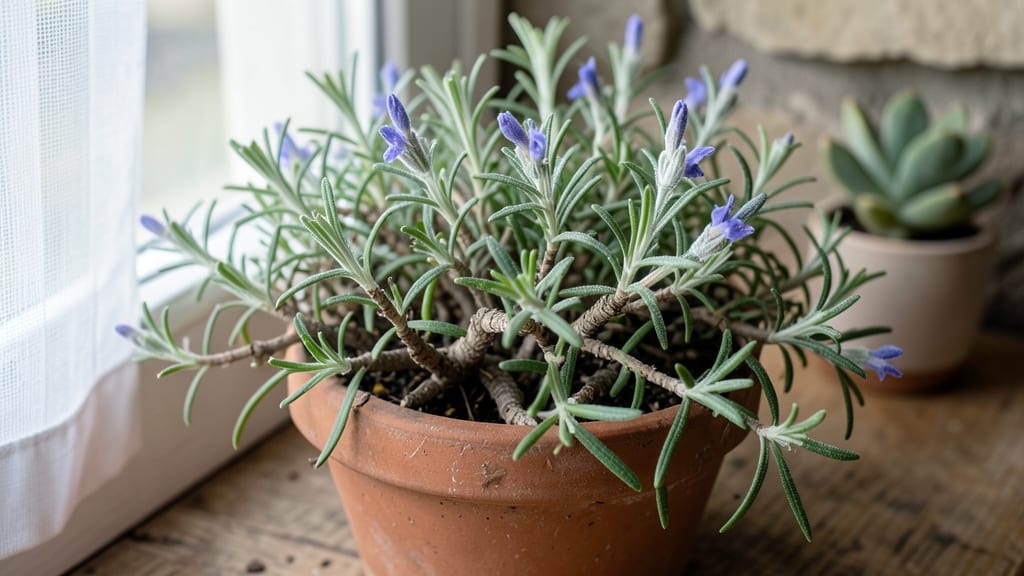
White mildew on rosemary turns those fragrant needles into a sad, dusty mess. 🌿 I’ve battled this fuzzy white film on my own plants, and the good news is—you can fix it without chemicals. The key is acting fast, because once it spreads, even pruning won’t save every branch.
This powdery mildew thrives when rosemary gets cramped or its leaves stay damp too long. I learned that hard way after crowding my pots and watering on hot afternoons. The first sign? Tiny white spots on the undersides of leaves that multiply like snowflakes on a windowpane.
With just three simple steps—spraying a baking soda mix, trimming infected stems, and boosting airflow—you’ll see fresh green growth within 2 weeks. The smell comes back stronger, and the plant regains its signature piney aroma that makes cooking so much better.
Works for both potted rosemary and in-ground plants, whether you’re growing it for garnishes or just love its silvery-blue foliage. Let’s get that mildew under control before it takes over!
Root Causes Of Powdery Fungus
White mildew on rosemary isn’t just a cosmetic nuisance—it’s a fungal infection caused by Oidium or Erysiphe species, which thrive under specific conditions. Understanding these triggers is the first step to preventing and treating the issue. Here’s why your rosemary might be developing this unsightly (and harmful) fungal growth:
The fungus responsible for white mildew spreads via airborne spores, and stagnant air creates the perfect breeding ground. Rosemary, especially when grown in containers or densely planted, suffers when:
- Leaves are too close together: Blocked airflow traps moisture, giving spores a foothold on tender foliage.
- Plants are overcrowded: Competition for light forces branches to grow inward, reducing ventilation.
- Containers lack drainage holes: Soggy soil + poor airflow = a fungal paradise.
Science note: The fungus Oidium germinates best in humidity levels above 70%—a common issue in greenhouses or shaded rosemary patches.
Rosemary is a drought-tolerant Mediterranean herb, meaning it hates wet foliage. When water lingers on leaves, it:
- Creates a film that spores cling to, accelerating infection.
- Encourages secondary bacterial infections (like leaf spot) to move in.
- Weakens the plant’s cuticle layer, making it easier for fungi to penetrate.
Common moisture mistakes:
- Overhead watering (especially in the evening).
- Planting rosemary in low-lying areas where water pools.
- Using sprinklers instead of drip irrigation or soaker hoses.
White mildew loves warm, humid weather—think 70–85°F (21–29°C) with high humidity. If your rosemary is outdoors during:
- Spring or fall: Cool nights + warm days = perfect fungal conditions.
- Greenhouse or indoor growing: Lack of airflow + artificial heat = fungal hotspot.
- After rain or heavy dew: Moisture stays on leaves for hours, extending the fungus’s window to infect.
Pro tip: If your area has high summer humidity, prune rosemary to improve airflow before mildew appears.
A stressed rosemary plant is far more susceptible to fungal attacks. Common stressors include:
- Nutrient deficiencies: Low phosphorus or potassium weakens cell walls, making them easier targets.
- Root damage: Overwatering, compacted soil, or poor drainage starves roots, reducing the plant’s ability to fight off pathogens.
- Physical injury: Pruning cuts or pest damage (like spider mites) create entry points for spores.
- Transplant shock: Recently moved rosemary is vulnerable until its root system re-establishes.
Actionable fix: Feed rosemary with a balanced organic fertilizer (like 10-10-10) in early spring to bolster its immune system.
Key takeaway: White mildew on rosemary is rarely a single issue—it’s usually a combination of poor airflow, moisture, and stress. The good news? Fixing these factors stops the fungus in its tracks.
Fixing Fungal Foes Naturally
Now that you know what’s causing that unsightly white mildew on your rosemary, it’s time to roll up your sleeves and tackle it—without harsh chemicals.
The good news? Most remedies are simple, cost-effective, and eco-friendly. Below, we’ll map out the best cause-specific fixes and share prevention tips to keep your rosemary thriving.
If your rosemary is cramped or blocked by other plants, fungal spores have a party spot. Here’s how to break it up:
- 🔪 Trim Back the Bush
- Use clean, sharp pruning shears to remove 1/3 of the plant, focusing on dense or mildew-covered stems.
- Prune in the morning when humidity is lower, and sterilize your tools with rubbing alcohol between cuts.
- 🌬️ Improve Air Circulation
- Space rosemary plants 12–18 inches apart (or more if growing in containers).
- If indoors, move the plant to a brighter spot with better airflow (like near a fan or open window).
- Pro Tip: 💡 Avoid placing rosemary against walls or fences—this traps moisture.
- 🌱 Thin Out the Garden Beds
- If growing in the ground, remove weeds or competing plants that might be shading your rosemary.
Rosemary hates wet feet. If your plant is soggy, it’s an open invitation for mildew. Fix it fast:
- 🚰 Water Only When Necessary
- Check soil moisture before watering—stick your finger 1–2 inches deep. If it’s dry, water; if damp, wait.
- Water deeply but infrequently: Soak the soil until water runs out the drainage holes, then let it dry completely before the next watering.
- 🏗️ Fix Drainage Issues
- Containers? Ensure pots have drainage holes and use a well-draining mix (like cactus/succulent soil).
- Ground-planted? Amend heavy clay soil with perlite or sand to improve drainage.
- Pro Tip: 🌡️ Morning watering is best—it gives leaves time to dry before evening humidity sets in.
- 🌧️ Protect from Overhead Watering
- Use a watering can with a narrow spout or a drip irrigation system to avoid wetting foliage.
- If using a hose, water at the base and avoid spraying leaves.
If mildew has already set in, act fast with these organic sprays. Repeat every 7–10 days until the problem clears.
- 🧴 Baking Soda Solution (Mild Cases)
- Mix 1 tsp baking soda + 1 tsp horticultural oil + 1 tsp mild soap in 1 quart of water.
- Spray both sides of leaves in the morning (avoid direct sunlight).
- Pro Tip: ✨ Reapply after rain—it washes off quickly!
- 🍋 Vinegar Spray (For Resistant Cases)
- Combine 1 part white vinegar + 3 parts water in a spray bottle.
- Test on a small leaf first—vinegar can burn sensitive plants.
- Spray early in the day and avoid getting it on the soil.
- 🌿 Neem Oil (Heavy Infestations)
- Mix 1 tbsp neem oil + 1 tsp mild soap + 1 quart water.
- Shake well and spray thoroughly, covering all surfaces.
- Pro Tip: 🔥 Neem oil is preventive too—use it once a month during humid seasons.
- 🍄 Copper Fungicide (Last Resort)
- If mildew persists, try an organic copper fungicide (like Copper Soap).
- Follow label instructions—copper can be harsh, so use sparingly.
Once your rosemary is mildew-free, lock it in with these habits:
- 🌞 Plant in Full Sun – Rosemary needs 6+ hours of sunlight daily to dry out quickly.
- 🌱 Choose the Right Spot – Avoid low-lying areas where water pools.
- 🍃 Harvest Regularly – Pruning encourages airflow and prevents overgrowth.
- 🌿 Rotate Plants – If growing in containers, swap positions occasionally to prevent soil-borne issues.
- 🌧️ Mulch Strategically – Use gravel or straw (not wood chips) to keep soil dry.
With consistent care, you should see improvement in 1–2 weeks. If mildew keeps returning:
- Check your watering habits first.
- Replace heavily infected soil if growing in containers.
- Consider a different location if humidity is extreme.
Your rosemary is tough—give it the right conditions, and it’ll bounce back stronger than ever! 🌿💪
Frequently asked questions about white mildew on rosemary
Is white mildew on rosemary the same as powdery mildew?
Yes! That chalky white film is powdery mildew, caused by fungi like Oidium or Erysiphe. It loves rosemary's tender leaves and thrives in humid, low-airflow conditions. The key difference from other mildews is its powdery texture—unlike downy mildew, which appears fuzzy and gray.
Can I save my rosemary plant if it has white mildew?
With quick action, most rosemary plants recover fully. Start by pruning infected stems (sterilize your shears first) and improving airflow. Apply a baking soda spray (1 tsp baking soda + 1 quart water) every 7 days until new growth appears. Severe cases may need neem oil, but your plant can bounce back within 2-3 weeks.
Why does my indoor rosemary keep getting white mildew?
Indoor rosemary often suffers from poor airflow and overwatering. Keep it near a fan or open window, and water only when the top 1-2 inches of soil are dry. Avoid misting leaves—water at the base instead. If humidity is high, a small dehumidifier or air purifier can work wonders.
Will pruning help stop white mildew from spreading?
Yes! Pruning removes infected areas and improves airflow, which is 50% of the battle. Always cut back to healthy green growth (never into white or brown stems). Sterilize your tools between cuts with rubbing alcohol, and dispose of pruned material in the trash—not compost—to prevent reinfection.
How can I prevent white mildew on new rosemary plants?
Prevention starts with proper spacing (keep plants 12-18 inches apart) and morning watering at the base. Use well-draining soil and pots with drainage holes. For extra protection, spray with diluted neem oil (1 tbsp per quart of water) every 4-6 weeks during humid seasons.