
Pruning
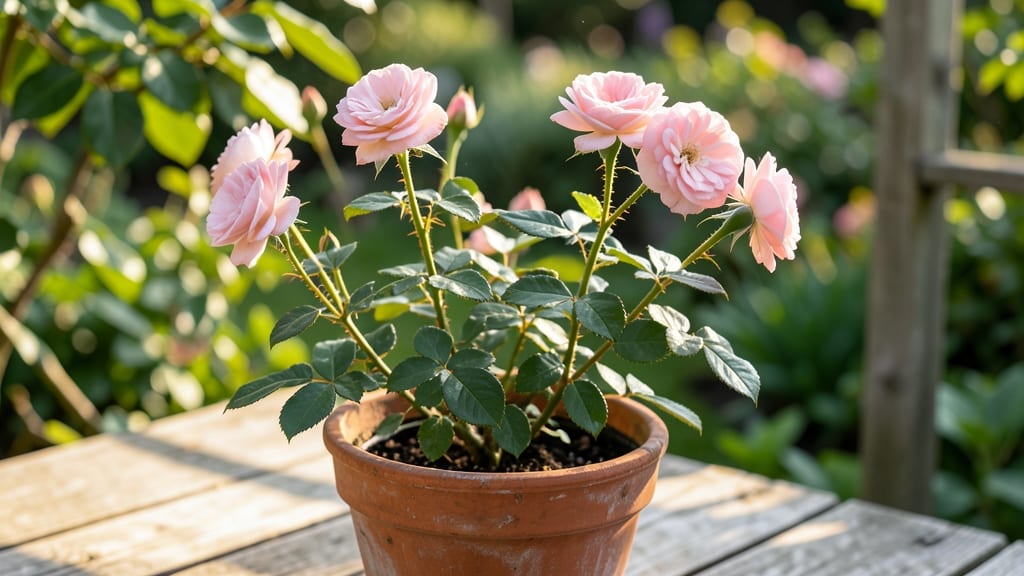
Miniature tea roses bring old-fashioned charm to tiny gardens and containers. 🌸 I’ve grown them in pots as small as 6 inches across, and they’ve never failed to deliver those delicate, fragrant blooms—proof that big beauty doesn’t need big space.
These roses thrive in well-draining soil with morning sun and afternoon shade, though they’ll tolerate full sun if watered consistently.
The key is keeping them lightly pruned throughout the season to encourage bushier growth and nonstop blooms—my plants produce flowers from spring until frost if I stay on top of deadheading. You’ll love how they transform patios, windowsills, and even hanging baskets into romantic displays.
Their compact size makes them perfect for urban gardens, balconies, or even as tabletop plants—just plant them in containers with drainage holes. Common challenges like black spot or aphids are easy to manage with neem oil or insecticidal soap.
With the right care, these roses reward you with months of color and a heavenly scent that lingers in the air.
📚 In This Guide
- What you need
- Instructions
- Tips and common mistakes
- Wrapping up and next steps
What you need
- ● Miniature tea rose plants: Choose disease-resistant varieties (e.g., 'Fairy Tale,' 'Little White Pet,' or 'Baby Love'). Buy 3-5 plants for a fuller display.
- ● Well-draining potting mix: A blend of 50% peat moss/compost, 30% perlite or sand, and 20% coconut coir (or pre-mixed rose soil).
- ● Containers: Pots with drainage holes, 6-12 inches in diameter (bigger for multiple plants). Terracotta or fabric pots work best.
- ● Slow-release fertilizer: Look for a balanced 10-10-10 or rose-specific formula (e.g., Miracle-Gro Rose & Flower Food).
- ● Pruning tools: Bypass pruners (sharp, 3-4 inch blades)
- ● Hand pruners for smaller cuts
- ● Disinfectant (rubbing alcohol or 10% bleach solution)
- ● Mulch: Organic options like wood chips or straw (2-3 inches thick) to retain moisture.
- ● Gloves: Heavy-duty gardening gloves to protect from thorns (🌹 pro tip: Rose pruners with thorn guards are a game-changer!).
- ● Support structures: Miniature rose cages (6-12 inches tall) or obelisks for climbing varieties.
- ● Epsom salt: 1 tablespoon per gallon of water monthly for magnesium boost (great for vibrant blooms!).
- ● Pest control: Neem oil or insecticidal soap (for aphids/spider mites).
- ● Sunlight meter or app: To track 6+ hours of direct sun daily (miniature roses are sun-hungry!).
Step-by-step instructions for planting miniature tea roses
Here's how to coax those delicate blooms into thriving in containers or small garden beds.
🌱 Step 1: Select and Prepare Healthy Bare-Root Plants
Choose disease-resistant varieties like 'Fairy' or 'David Austin' for their compact growth and repeat blooming. Inspect the roots—healthy ones are moist, white, and flexible. Soak bare-root plants in lukewarm water for 4-6 hours before planting to rehydrate the roots and encourage vigorous growth.
Trim any damaged roots with clean pruners, leaving only 3-4 inches of healthy root growth. Snip the canes back to 4-6 inches above the graft union (the swollen area near the base). This ensures energy focuses on root establishment rather than supporting excess foliage. Real talk: Skipping this step often leads to weak stems that flop later in the season.
☀️ Step 2: Choose the Perfect Sunny Spot and Soil
Miniature tea roses demand full sun—at least 6-8 hours daily—but tolerate partial shade in hot climates. In containers, place them where they’ll receive morning sun and afternoon shade if temperatures exceed 85°F. Amend garden soil with 3 inches of compost and a slow-release rose fertilizer (10-10-10 ratio) mixed into the top 6 inches of soil.
For containers, use a well-draining potting mix with added perlite or sand to prevent root rot. The pot should be at least 12 inches deep with drainage holes—these roses have shallow but extensive root systems. Here's the thing: Overcrowded roots lead to stunted growth, so avoid planting more than one rose per 12-inch pot.
🪴 Step 3: Plant with Proper Spacing and Support
Dig a hole twice as wide as the root ball but no deeper. Position the plant so the graft union sits 1-2 inches above soil level—this prevents suckers from growing below the graft. Spread the roots gently outward and backfill with soil, tamping lightly to eliminate air pockets. Water deeply until the soil settles and the hole fills.
Install a miniature rose trellis or tomato cage immediately—even small varieties benefit from support. Stake individual plants with 3-foot bamboo stakes tied loosely to the canes. I always use soft plant ties to avoid damaging the delicate stems as they grow. Watch for the first true leaves to emerge; this signals successful rooting and the start of active growth.
💧 Step 4: Water and Fertilize for Continuous Blooms
Water deeply 2-3 times weekly during the first 4-6 weeks to encourage root establishment. After that, maintain 1 inch of water per week, adjusting for rainfall. Water at the base of the plant in the morning to reduce fungal risks. You’ll know moisture is right when the top inch of soil feels dry to the touch.
Fertilize every 4-6 weeks with a balanced rose fertilizer during the growing season (spring to fall). Use half the recommended dose the first month to avoid burning tender new growth. Stop fertilizing in late summer to harden off the plants for winter. I swear by a seaweed-based tonic mid-season to boost disease resistance and vibrant blooms.
✂️ Step 5: Prune and Maintain for Compact Growth
Prune new growth in early spring to shape the plant and encourage branching. Cut back one-third of the oldest canes to the nearest outward-facing bud. Remove any dead, diseased, or crossing branches to improve airflow. This is the moment that matters: Pruning too late in the season delays next year’s blooms.
Deadhead spent blooms regularly to redirect energy into new flowers. Pinch back tips of vigorous shoots in summer to maintain the 12-18 inch height these varieties are bred for. Mulch with 2 inches of organic mulch (like shredded bark) to retain moisture and suppress weeds. Don’t skip this—mulch keeps roots cool and reduces watering frequency by 30%.
Tips & tricks for perfect miniature tea roses
These little powerhouses pack big blooms in tiny packages—here’s how to keep them thriving without the fuss.
Root Revival: That 4-6 hour soak in lukewarm water isn’t just about hydration—it’s a wake-up call for dormant roots. Think of it like a spa day for your roses: the water reactivates root cells, helping them establish faster. Pro move: Add a seaweed extract (like the one I use mid-season) to the soak water—it’s packed with growth hormones that give your plants a head start. This is where the magic begins, so don’t rush it!
Sunlight Strategy: Miniature tea roses might be small, but they’re sun worshippers. The 6-8 hours of full sun isn’t negotiable—these varieties need it to produce those vibrant blooms. Here’s the thing: In hot climates, morning sun with afternoon shade (when temps hit 85°F) prevents leaf scorch while still giving them enough light. If you’re container gardening, rotate your pots weekly so all sides get even exposure—uneven growth is a dead giveaway for neglected sun requirements.
Support System: Those 3-foot bamboo stakes and soft plant ties aren’t just for looks—they’re insurance against flopping stems. I’ve seen too many beautiful roses turn into sad, sprawling messes because their owners skipped this step. Install support at planting time, not after the plant’s already leaning. And for heaven’s sake, use soft ties—nylon strips that tighten over time will strangle your delicate canes. Think of it like training wheels for your roses.
Pruning Precision: When you’re cutting back one-third of the oldest canes in early spring, aim for the outward-facing buds—this encourages bushier growth and more blooms. Here’s what nobody tells you: The first true leaves emerging after planting are your green light. Once you see them, your plant’s roots have taken hold, and you can start thinking about pruning with confidence. And remember, deadheading isn’t just about looks—it’s redirecting energy from seed production back into those show-stopping blooms.
Pro Tips for Miniature Tea Roses
- These little powerhouses pack big blooms in tiny packages—here’s how to keep them thriving without the fuss.
- Root Revival: That 4-6 hour soak in lukewarm water isn’t just about hydration—it’s a wake-up call for dormant roots.
- Sunlight Strategy: Miniature tea roses might be small, but they’re sun worshippers.
Frequently asked questions
How often should I prune miniature tea roses?
Prune your miniature tea roses twice a year: once in early spring (just as new growth starts) to shape the plant and remove dead wood, and again lightly after the first flush of blooms to encourage more flowers. Avoid heavy pruning in late summer or fall—this can stimulate tender new growth that won’t survive winter.
Do miniature tea roses need winter protection?
Yes! While they’re hardier than full-size tea roses, miniature tea roses still need shelter in colder climates. Mound soil or mulch around the base up to the first set of buds, and wrap the plant in burlap or use a frost blanket. Choose a spot with afternoon sun exposure to minimize stress during winter dormancy.
Why aren’t my miniature tea roses blooming as much as expected?
Several factors can reduce blooms: over-pruning, poor sunlight (they need 6+ hours of direct sun), or nutrient deficiencies. Check for yellowing leaves (possible nitrogen deficiency) and feed with a balanced rose fertilizer in spring and mid-summer. Deadheading spent blooms also encourages more flowers!
Can I grow miniature tea roses in containers?
Containers are perfect for miniature tea roses—they thrive in pots as small as 12–15 inches wide. Use well-draining soil mixed with compost, and ensure the container has drainage holes. Repot every 2–3 years to refresh the soil, and move pots indoors (or to a sheltered spot) if temperatures drop below 20°F.
What pests or diseases should I watch for?
Miniature tea roses are prone to aphids, spider mites, and black spot fungus. Inspect leaves regularly for holes or yellowing. Treat aphids with a strong spray of water or insecticidal soap, and prevent black spot by avoiding overhead watering. Prune infected leaves immediately and apply fungicide if needed.
Wrapping up and next steps
Miniature tea roses are a delightful addition to any garden, offering big, fragrant blooms in tiny packages—perfect for containers, small yards, or even sunny windowsills! 🌸 With the right pruning techniques, soil, and care, these charming roses will reward you with season-long beauty and minimal fuss.
Whether you're a beginner or a seasoned gardener, their compact size makes them easy to manage while delivering maximum impact.
Now that you’re armed with the know-how, roll up your sleeves and give these little powerhouses a try! Start by selecting healthy plants, prune with confidence, and watch your miniature tea roses thrive—you’ll be the envy of the neighborhood in no time. Happy gardening! 🌿