
Flowers
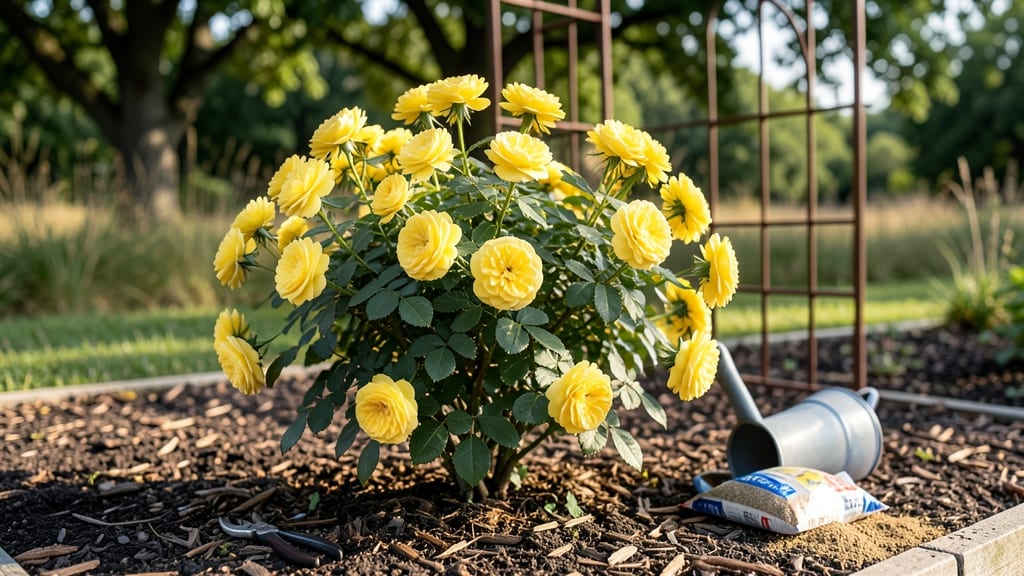
Growing miniature yellow roses in containers is like having sunshine in a pot—bright, cheerful, and impossible to kill once you know the tricks. 🌸 These tiny powerhouses pack the same fragrant punch as their full-sized cousins but stay compact enough for patios, balconies, or even windowsills.
My first batch surprised me with blooms by June, and they’ve been producing nonstop ever since.
They thrive in 5-gallon containers with well-draining soil and need at least 6 hours of sunlight daily—morning sun is ideal to prevent scorching. Water when the top inch feels dry, but avoid soggy roots, which is their biggest enemy.
The secret? A balanced fertilizer every 4-6 weeks keeps those blooms coming without overfeeding.
Pruning isn’t scary—just snip back leggy stems after blooms fade to encourage bushier growth. Watch for aphids (they love new shoots) and treat with neem oil if needed. With the right care, you’ll get continuous blooms from spring through fall, and yes, they even handle light frost.
Perfect for small spaces, urban gardens, or anyone who wants roses without the upkeep. These little yellow suns bring joy with minimal fuss—let’s get yours growing!
Common Causes Of Stunted Growth
If your miniature yellow roses are struggling to thrive—whether they’re refusing to bloom, growing leggy, or staying stubbornly small—understanding the root causes can help you turn things around. These delicate beauties may look dainty, but they’re surprisingly resilient once their basic needs are met.
Below, we break down the most common reasons your roses might be underperforming, along with the science behind them.
Miniature roses, like their larger counterparts, are heavy feeders and demand nutrient-rich, well-draining soil. If their roots are suffocating in compacted or nutrient-poor soil, growth will stall. Here’s why it happens:
- Compacted Soil: Heavy clay or tightly packed soil restricts root expansion, cutting off oxygen and water flow. Roots can’t absorb nutrients efficiently, leading to stunted stems and sparse blooms.
- Low Organic Matter: Soil devoid of compost or aged manure lacks essential micronutrients like iron, zinc, and magnesium. Without these, chlorophyll production drops, and new growth weakens.
- Incorrect pH Levels: Miniature roses prefer a slightly acidic to neutral pH (6.0–7.0). Soil that’s too alkaline (pH >7.5) locks out iron and manganese, causing yellowing leaves and poor flowering.
💡 Pro Tip: Test your soil’s pH with a kit (available at garden centers) and amend it with sulfur (to lower pH) or lime (to raise it). Mix in 2–3 inches of compost into the top 6 inches of soil before planting or top-dress annually.
Miniature yellow roses are sun worshippers, but they can also suffer from too much of a good thing. Light exposure directly impacts photosynthesis, flower production, and overall vigor.
- Insufficient Sunlight: Roses need 6–8 hours of direct sunlight daily. Less than this slows photosynthesis, reducing energy for growth and blooming. Leggy, weak stems and few buds are telltale signs.
- Excessive Heat or Harsh Sun: While roses love sun, intense afternoon heat (especially in hot climates) can scorch leaves, causing them to curl or turn brown. This stress diverts energy away from blooming.
- Indoor or Low-Light Conditions: Growing miniature roses in shady spots or indoors without grow lights leads to etoliation—stretched, pale stems with tiny, sparse leaves.
🌡️ Actionable Fix: Place your roses in a south- or west-facing container for maximum sun. If growing in pots, move them to a shaded area during peak afternoon heat. For indoor growers, supplement with a full-spectrum LED grow light (12–16 hours/day).
Watering is an art for miniature roses—too little or too much can both spell disaster. These roses have shallow root systems, making them sensitive to moisture extremes.
- Underwatering: Dry soil stresses roots, causing them to shrink and pull away from the pot edges. This triggers abscisic acid (a plant stress hormone) that halts growth and forces buds to drop.
- Overwatering: Soggy soil cuts off oxygen, leading to root rot (Phytophthora or Pythium fungi). Affected roots turn mushy and black, unable to uptake water or nutrients, causing wilting despite wet soil.
- Inconsistent Watering: Fluctuating moisture levels confuse the plant, causing osmotic stress. Roots struggle to maintain turgor pressure, leading to weak stems and poor blooming.
⏰ Watering Schedule:
Condition
Solution
Outdoor pots
Water deeply 2–3 times per week (until water drains from the bottom). Check soil moisture 1–2 inches down.
Indoor pots
Water when the top inch of soil feels dry. Use a moisture meter for accuracy.
Hot/dry climates
Water early morning to reduce evaporation. Use mulch to retain moisture.
Always ensure pots have drainage holes and use well-draining potting mix (e.g., 60% peat/compost, 30% perlite, 10% sand).
Miniature roses are heavy feeders, especially during blooming season. A lack of key nutrients can stunt growth, delay flowering, or cause odd symptoms like yellowing leaves or purple stems.
- Nitrogen (N) Deficiency: Leads to pale yellow leaves and stunted growth. Nitrogen is critical for leaf and stem development.
- Phosphorus (P) Deficiency: Causes dark green or purple stems and delayed blooming. Phosphorus fuels energy transfer for flowering.
- Potassium (K) Deficiency: Results in weak stems, poor disease resistance, and small buds. Potassium regulates water and nutrient movement.
- Micronutrient Deficiencies (Iron, Magnesium, Zinc): Cause interveinal chlorosis (yellowing between leaf veins) or distorted new growth.
🎯 Fertilizing Fix:
- Use a balanced rose fertilizer (10-10-10 or 20-20-20) every 4–6 weeks during growing season (spring–fall).
- For micronutrients, apply chelated iron or Epsom salt (magnesium sulfate) monthly.
- Feed lightly in winter (every 8–10 weeks) to avoid overstimulating new growth in cold months.
⚠️ Warning: Over-fertilizing can burn roots. Always water before and after applying fertilizer.
Tiny invaders and pathogens can drain your roses’ energy without you even noticing. Common culprits include:
- Aphids & Spider Mites: These sap-suckers inject toxins that distort new growth and cause yellowing leaves. Heavy infestations lead to stunted stems and dropped buds.
- Japanese Beetles: Adults skeletonize leaves, reducing photosynthesis. Larvae (grubs) damage roots, weakening the plant’s ability to uptake water.
- Powdery Mildew: A fungal disease that coats leaves in a white powdery film, blocking sunlight and stifling growth. Severe cases cause buds to fail to open.
- Black Spot: Fungal leaf spots deplete chlorophyll, leading to weak, yellowing foliage and reduced flowering.
🔥 Prevention & Treatment:
- Inspect leaves weekly for pests (especially undersides). Spray with neem oil
Revive & Protect Tiny Yellow Blooms
Growing miniature yellow roses in containers is a rewarding experience, but even the hardiest varieties can face challenges. Whether your blooms are wilting, struggling with pests, or just not thriving, these practical solutions will help you diagnose and fix common issues—while keeping your compact roses vibrant year-round.
If your miniature roses look sad and limp, it’s often a sign of stress. Here’s how to bring them back to life:
💧 Check Watering Habits
- Problem: Overwatering or underwatering can both cause drooping.
- Solution:
- For underwatering: Water deeply until it drains from the container’s bottom.
Use your finger to check the top inch of soil—if it’s dry, it’s time to water. - For overwatering: Let the soil dry out slightly between waterings.
Ensure pots have drainage holes to prevent root rot. - Prevention: Use a moisture meter or stick your finger in the soil daily to gauge moisture levels.
🌡️ Adjust Temperature & Humidity
- Problem: Extreme heat or cold can shock delicate blooms.
- Solution:
- Move containers to a spot with morning sun and afternoon shade in hot climates.
- In cold weather, bring pots indoors or wrap them in burlap for protection.
- Prevention: Monitor local forecasts and adjust placement accordingly.
🍃 Trim Damaged Foliage
- Problem: Dead or yellowing leaves can drain energy from the plant.
- Solution:
- Use clean, sharp pruners to snip off wilted leaves or stems at a 45-degree angle.
- Remove any black or mushy spots—these could signal disease.
- Prevention: Prune regularly to improve airflow and reduce disease risk.
Tiny yellow roses are susceptible to aphids, spider mites, and fungal infections. Act fast to keep them thriving:
🐜 Treat Common Pests
Pest Signs Fix It Aphids Sticky residue, curled leaves Spray with neem oil or soapy water (1 tsp mild soap per quart of water). Repeat every 3 days. Spider Mites Fine webbing, speckled leaves Mist plants daily to increase humidity. Use insecticidal soap if severe. Whiteflies Tiny white bugs, yellowing leaves Trap with yellow sticky cards or spray with hydrogen peroxide (1 tsp per cup of water). - Prevention: Inspect leaves weekly. Encourage ladybugs and lacewings—natural predators that keep pests in check.
🍄 Stop Fungal Infections
- Problem: Powdery mildew or black spot can appear as white or dark spots on leaves.
- Solution:
- Remove infected leaves immediately.
- Spray with a baking soda mix (1 tsp baking soda + 1 quart water + a drop of dish soap) weekly.
- Improve airflow by spacing plants apart and avoiding overhead watering.
- Prevention: Water at the base of the plant in the morning to allow foliage to dry quickly.
If your miniature roses are healthy but not flowering as expected, they may need a little extra care:
🌞 Optimize Sunlight & Fertilizer
- Problem: Too little sun or poor nutrition stunts blooms.
- Solution:
- Sunlight: Ensure 6–8 hours of sunlight daily. South- or west-facing spots are ideal.
- Fertilizer: Use a balanced rose fertilizer (like 10-10-10) every 4–6 weeks during growing season.
Switch to a low-phosphorus fertilizer in winter to encourage rest. - Prevention: Rotate containers occasionally for even sun exposure.
🌱 Repot for Better Health
- Problem: Root-bound plants or poor soil drain energy.
- Solution:
- Repot every 2–3 years in fresh, well-draining potting mix.
- Choose containers 1–2 inches larger than the current pot to avoid overcrowding.
- Prevention: Add a layer of perlite or sand to the soil mix for better drainage.
✂️ Prune for More Blooms
- Problem: Overgrown roses produce fewer flowers.
- Solution:
- Prune in early spring to remove dead wood and shape the plant.
- Deadhead spent blooms regularly to encourage new flowers.
- Prevention: Use sterilized pruners to avoid spreading disease.
- 🌡️ Mulch Matters: Add 2–3 inches of mulch around the base to retain moisture and regulate temperature.
- 💧 Water Wisely: Use a drip irrigation system or watering can with a rose attachment to avoid wetting leaves.
- 🌿 Companion Plants: Pair with marigolds or basil to repel pests naturally.
- 🌱 Seasonal Care: In winter, reduce watering and fertilizing to let the plant rest.
With these solutions, your miniature yellow roses will stay lush, fragrant, and full of blooms—no matter the season! 🌸✨
Frequently asked questions
1How long does it take for miniature yellow roses to bloom after planting?
With proper care, you can expect the first blooms in 8-12 weeks after planting. These compact varieties grow quickly when given 6+ hours of sunlight daily and consistent moisture. Early bloomers often surprise gardeners with flowers by June or July in temperate climates.
2Can miniature yellow roses grow indoors year-round?
Yes, but they need bright light! Place them near a south-facing window or supplement with a grow light (12-16 hours/day). Keep humidity up by misting leaves or using a pebble tray. In winter, reduce watering to every 10-14 days and fertilize lightly every 8-10 weeks.
3Why are my miniature yellow roses growing tall but not blooming?
This "leggy" growth usually means they need more sunlight or balanced fertilizer. Move to a sunnier spot (minimum 6 hours/day) and switch to a low-nitrogen, high-phosphorus fertilizer (like 5-10-5) to encourage flowering. Prune back 1/3 of the tallest stems to promote bushier growth.
4How do I overwinter miniature yellow roses in cold climates?
Bring pots indoors before temperatures drop below 30°F, or wrap containers in burlap and bury them in straw for outdoor protection. Reduce watering to every 2-3 weeks and fertilize only once in late winter (use a low-phosphorus formula). Prune lightly in early spring before new growth appears.
5What's the best container size for miniature yellow roses?
Start with a 5-gallon container (12-14" diameter) for one plant. These compact roses have shallow roots, so wider pots prevent root circling. Add 2-3 inches of perlite to the bottom for drainage. Repot every 2-3 years in fresh potting mix to prevent nutrient depletion.