
How To
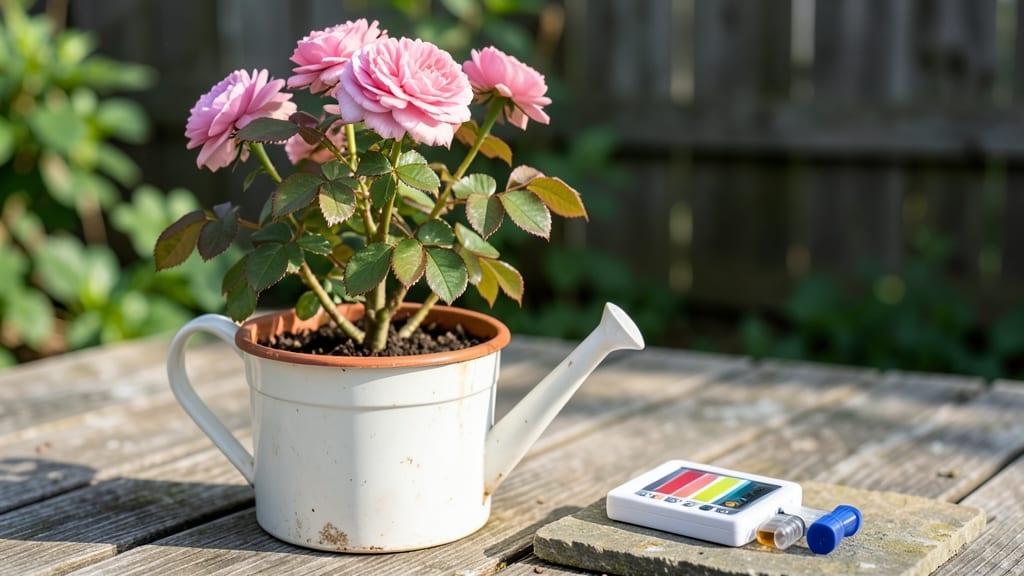
Those crispy brown tips on the leaves of your miniature roses aren’t a death sentence—just a cry for help. 🌿 I’ve nursed back more than a dozen plants with the same problem, and the fix always starts with identifying whether your roses are thirsty, burned, or fighting off pests.
The good news? Most cases clear up within 2-3 weeks once you address the root cause. First, check the soil moisture with your finger—if it’s bone-dry at the surface, underwatering’s likely the culprit. But if the soil stays soggy for days, you’re drowning the roots.
Then inspect the leaves: are the brown edges speckled with tiny webs (spider mites) or covered in a white powder (fungus)? Each issue needs a different approach, and I’ll walk you through all of them.
You’ll be pruning away the damaged foliage, adjusting your watering routine, and possibly applying a neem oil spray or baking soda solution—simple fixes that work faster than you’d expect.
By the end, your roses will look lush again, with vibrant green leaves and those signature tiny blooms you fell in love with. The key to long-term success? Consistency.
Once you’ve treated the problem, keep an eye on humidity levels, avoid chemical fertilizers, and water at the base—not the leaves—to prevent future flare-ups. Your miniature roses will thank you for it.
Root Causes Of Leaf Discoloration
When your miniature roses start showing brown tips on leaves, it’s often a cry for help from the plant itself. Understanding the why behind this issue is the first step to saving your blooms.
Below, we break down the most common culprits—each with a clear explanation of how they damage your roses and what clues to watch for.
Miniature roses need consistent moisture, but too much water—especially when drainage is lacking—can suffocate their roots. When soil stays soggy, oxygen can’t reach the roots, leading to:
- Root rot: Fungal infections like Phytophthora thrive in waterlogged soil, blocking nutrient uptake and causing leaf edges to turn brown and crispy.
- Nutrient leaching: Excess water washes away essential minerals (like potassium and magnesium), weakening the plant’s ability to maintain healthy leaf tissue.
- Salt buildup: Over time, minerals accumulate in the soil, creating a salty crust that burns leaf edges, especially in pots.
Watch for: Yellowing between veins (chlorosis) paired with brown tips, or a foul, moldy smell from the soil.
Miniature roses love sunlight, but intense heat without adequate hydration can cause rapid water loss through transpiration. When leaves lose moisture faster than roots can replace it:
- Cell damage: Sunlight causes oxidative stress, breaking down chlorophyll and leading to brown, papery edges (especially on exposed leaf surfaces).
- Edge burn: Leaf margins dry out first because they have fewer protective wax coatings than the center.
Watch for: Brown tips appearing on south- or west-facing leaves during hot afternoons, or wilting that recovers at night.
Brown tips can signal a lack of key nutrients that regulate cell health. The most common deficiencies in miniature roses are:
| Nutrient | Role in Plant Health | Symptoms | Quick Fix |
|---|---|---|---|
| Potassium (K) | Regulates water balance and cell membrane integrity. | Brown, scorch-like tips (often starting at the edges). | Apply a balanced fertilizer (10-10-10) or potassium-rich compost. |
| Magnesium (Mg) | Acts as a catalyst for chlorophyll production. | Brown tips with yellowing between veins (interveinal chlorosis). | Use Epsom salt (magnesium sulfate)—1 tbsp per gallon of water, applied monthly. |
| Calcium (Ca) | Strengthens cell walls to prevent tip burn. | Brown, brittle tips (common in acidic or sandy soils). | Add lime or crushed eggshells to soil (test pH first—ideal range: 6.0–6.5). |
Pro tip: 💡 Conduct a soil test to confirm deficiencies before guessing treatments.
Pathogens like Botrytis cinerea (gray mold) or Pseudomonas bacteria can invade through damaged leaf tissue, causing:
- Necrotic spots: Brown, often water-soaked tips that spread inward, sometimes with a fuzzy gray coating (fungal) or ooze (bacterial).
- Stunted growth: Infected plants may drop buds or leaves prematurely.
Watch for: Brown tips paired with dark, mushy stems or unusual leaf spots.
Miniature roses in urban areas or near roads may suffer from:
- Ozone damage: Vehicle exhaust or industrial pollution causes stippling (tiny brown flecks) on leaf edges.
- Fertilizer burn: Over-application of synthetic salts (like urea or ammonium) draws moisture from leaf cells, leading to crispy brown tips.
- Hard water residues: Excess calcium/magnesium in tap water can accumulate on leaves, blocking pores and causing browning.
Watch for: Uniform browning on all leaves (not just older ones) or tips that feel dry and powdery.
Fixing Brown Leaf Tips Fast
Brown tips on your miniature roses’ leaves can be frustrating, but the good news is most issues are easily reversible with the right care. Below, we’ll tackle the most common causes—overwatering, underwatering, nutrient deficiencies, pests, and environmental stress—and show you how to nurse your plants back to health.
Plus, we’ll share simple prevention tips to keep those leaves lush and green for seasons to come.
Signs: Yellowing leaves, mushy stems, brown crispy edges, or a foul smell from the soil.
How to Fix It: 🔥 Stop Watering Immediately – Let the top 1–2 inches of soil dry out completely before watering again. Stick your finger in the soil; if it’s soggy, wait. 🍳 Check Your Pots – Ensure they have drainage holes. If not, repot into containers with holes or add a layer of pebbles at the bottom. 👨🍳 Improve Soil Aeration – Mix in perlite or coarse sand (10–20%) to help water drain faster and prevent root rot. 🥘 Repot if Necessary – If roots are rotting (black, mushy), trim the affected roots with sterilized scissors, repot in fresh, well-draining soil, and reduce watering.
Prevention Tips: ✨ Water in the morning so excess moisture evaporates during the day. 🌡️ Use a moisture meter to avoid guesswork—aim for slightly dry soil between waterings. 🎯 Group plants together to create a microclimate with more stable humidity.
Signs: Crispy, brown leaf edges, dry soil pulling away from pot sides, or wilted stems.
How to Fix It: 🔥 Deep Water Thoroughly – Water until it drains from the bottom, then empty the saucer to avoid soggy roots. 🍳 Mist Leaves Gently – Use a spray bottle with room-temperature water to boost humidity, especially in dry climates or during winter. 👨🍳 Move to a Shadier Spot – Direct sun + dry air = faster evaporation. Provide afternoon shade if leaves are scorching. 🥘 Use a Humidity Tray – Place a pebble tray filled with water under the pot (ensure the pot sits above the water).
Prevention Tips: 💡 Group plants together to create a natural humid microclimate. 🔥 Mulch with bark or straw to retain soil moisture. ⏰ Water consistently—better to water lightly daily than deeply once a week.
Signs: Brown tips and yellowing between veins (iron deficiency), stunted growth (nitrogen), or weak stems.
How to Fix It: 🔥 Test Your Soil – Use a simple soil test kit (available at garden centers) to confirm deficiencies. 🍳 Fertilize with Iron Chelate – For yellowing between veins, use a liquid iron supplement (follow package instructions). 👨🍳 Add Organic Matter – Mix in compost or worm castings to replenish nitrogen and improve soil structure. 🥘 Use a Balanced Rose Fertilizer – Switch to a slow-release granular fertilizer (like 10-10-10) or a liquid feed every 4–6 weeks.
Prevention Tips: 📊 Fertilize regularly during growing season (spring–fall), but avoid overdoing it—too much salt can burn roots. 💪 Rotate crops if growing in containers—swap soil every 1–2 years. ✨ Use egg shells or banana peels as natural potassium sources (great for overall health).
Signs: Sticky residue (honeydew), tiny webs, or chewed leaf edges with brown speckles.
How to Fix It: 🔥 Isolate the Plant – Keep it away from other roses to prevent spreading. 🍳 Wipe Leaves with Soapy Water – Mix 1 tsp mild dish soap in 1 quart of water, spray on leaves, and rinse after 15 minutes. 👨🍳 Use Neem Oil Spray – Mix 1 tbsp neem oil + 1 tsp soap in 1 quart of water. Spray every 5–7 days until pests are gone. 🥘 Introduce Beneficial Insects – Ladybugs or lacewings eat aphids naturally (available at garden stores).
Prevention Tips: 💡 Inspect new plants before bringing them indoors. 🔥 Encourage natural predators like birds or predatory mites. ⏰ Water early in the day to discourage pests that thrive in damp conditions.
Signs: Brown, papery tips on leaves exposed to direct sun, or sudden wilting in cold drafts.
How to Fix It: 🔥 Adjust Light Exposure – Move plants to partial shade (4–6 hours of morning sun is ideal for most miniature roses). 🍳 Protect from Wind – Place pots near a wall or use a windbreak if outdoor conditions are harsh. 👨🍳 Acclimate Gradually – If moving from indoors to outdoors, harden off plants over 7–10 days to avoid shock. 🥘 Mulch Heavily in Winter – Use straw or shredded leaves to insulate roots from freezing temps.
Prevention Tips: 🌡️ Monitor weather forecasts and bring pots indoors during heatwaves or cold snaps. 🎯 Choose the right location—avoid south-facing windows or breezy porches. ✨ Use shade cloth (30–50%) if full sun is unavoidable.
Final Pro Tip: 🌿 Prune affected leaves with clean scissors to redirect energy to healthier growth. Never remove more than 1/3 of the plant at once! With these fixes, your miniature roses should bounce back in 2–4 weeks, sporting vibrant, tip-free foliage. 🌸
Frequently asked questions
Why do my miniature roses develop brown tips only on newer leaves?
Newer leaves showing brown tips often indicate a nutrient deficiency or transpiration stress. Young leaves are more sensitive to potassium or magnesium shortages, while rapid growth in hot conditions can cause edge burn. Check for yellowing between veins (magnesium deficiency) or crispy edges (potassium). Try a balanced fertilizer or Epsom salt solution.
Can I save my miniature roses if the brown tips have spread to most leaves?
Yes, but act quickly! Prune all severely damaged leaves with clean scissors, then focus on the root cause. If it's underwatering, adjust your watering schedule; if it's overwatering, improve drainage immediately. Most plants recover within 2-4 weeks with proper care, though severe cases may need repotting in fresh soil.
Will brown tips on my miniature roses affect their ability to bloom?
Brown tips themselves won't stop blooming, but they signal underlying stress that can weaken the plant. If left untreated, the plant may divert energy to leaf repair instead of flower production. Address the issue promptly—healthy foliage means better blooms! Focus first on watering consistency and nutrient balance.
Is it safe to use tap water on my miniature roses if I suspect brown tips from hard water?
Hard water can cause mineral buildup that contributes to brown tips. For immediate relief, use filtered or rainwater. If that's not possible, let tap water sit out for 24 hours before using to reduce chlorine/chemical content. Long-term, consider installing a simple water filter for your garden hose.
How can I tell if my miniature roses have brown tips from pests vs. environmental factors?
Pest damage shows distinct patterns: spider mites leave tiny webs and speckled brown spots, while aphids cause sticky residue. Environmental stress (like underwatering) creates uniform brown edges without additional damage. Examine leaves closely—pests often leave behind eggs or molted skins, while environmental issues won't.