
Flowers
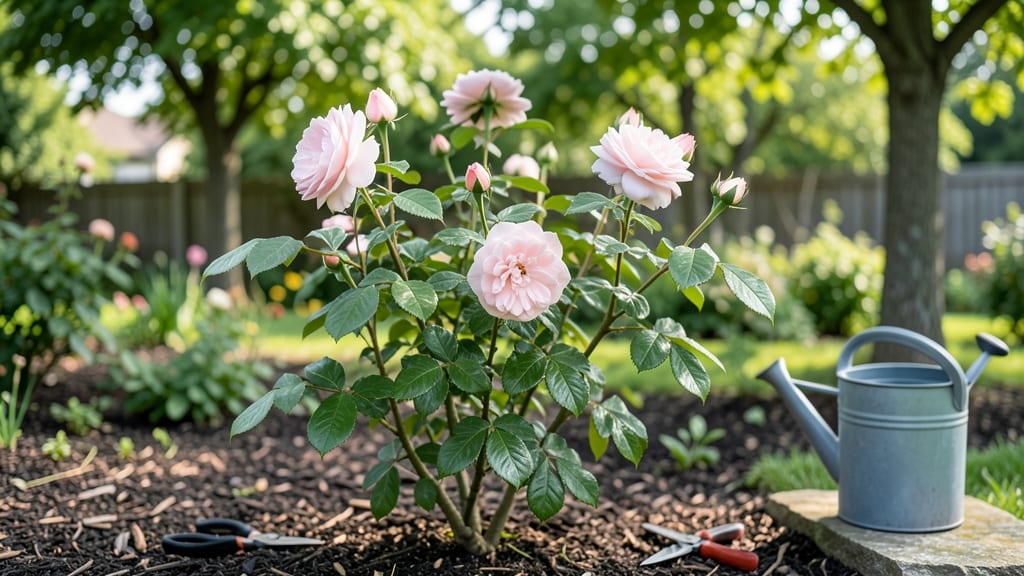
Montessori gardens thrive on simplicity and sensory engagement, and the Peace rose delivers both effortlessly. 🌹 This classic climber—with its velvety blooms and gentle fragrance—transforms any space into an inviting, child-friendly retreat without demanding constant care.
The key lies in positioning it where little hands can reach: near a trellis, along a fence, or even in a large container where kids can observe its growth up close.
Planting at child height turns pruning into an interactive lesson—children learn about plant health by gently removing spent blooms, while the rose’s disease resistance means fewer lessons in disappointment. A single bush can climb 6-8 feet in a season, offering shade, beauty, and a living classroom for budding botanists.
The fragrance alone invites exploration, while the thornless varieties (like 'Iceberg') make it safe for curious fingers. By summer’s end, you’ll have a living tapestry of blooms that teaches patience, responsibility, and the joy of nurturing something beautiful.
The roses reward minimal effort with months of color, proving that even the most delicate gardens can be low-maintenance yet deeply engaging. Perfect for small yards, patios, or even balcony planters—wherever children can learn alongside the flowers.
📚 In This Guide
- What you need
- Instructions
- Tips and common mistakes
- Wrapping up and next steps
What you need
- ● Montessori Peace Rose Bare-Root Plant or Potted Sapling: 1 healthy plant (check for vibrant green leaves and no signs of pests/disease)
- ● Choose between bare-root (spring planting) or potted (year-round planting)
- ● Well-Draining Soil Mix: 50% high-quality garden soil
- ● 30% compost or aged manure
- ● 20% perlite or coarse sand (for drainage)
- ● Planting Site: Full sun (6–8 hours of direct sunlight daily)
- ● Sheltered from strong winds (use a trellis or fence if needed)
- ● Tools: Trowel or garden spade
- ○ Gloves (optional but recommended)
- ● Watering can or hose with a gentle spray nozzle
- ● Slow-release fertilizer (rose-specific, 1–2 tbsp per plant)
- ● Mulch (2–3 inches of wood chips or straw to retain moisture)
- ● Epsom salt (1 tbsp dissolved in water monthly for magnesium boost)
- ● Rose food or liquid fertilizer (for established plants)
- ● Pruning shears (for shaping and deadheading)
Step-by-Step instructions for planting and caring for Montessori Peace roses
Here's how to establish these fragrant, resilient roses with minimal fuss—perfect for gardeners who want beauty without the upkeep.
🌱 Step 1: Choose the Perfect Planting Location and Prepare the Soil
Montessori Peace roses thrive in full sun to partial shade, with at least 6 hours of direct sunlight daily. I always pick a spot sheltered from strong afternoon winds—these roses have delicate blooms that can tear easily. The soil should drain well but retain moisture, so if your garden has heavy clay, amend it with 3-4 inches of compost mixed into the top 12 inches of soil.
Dig a hole twice as wide as the root ball but only as deep as the container it came in. Loosen the roots gently if they're circling—they'll establish faster when spread out naturally. Here's the thing: these roses are forgiving, but they'll reward you most when planted in slightly acidic soil (pH 6.0-6.5). Test your soil first; if it's alkaline, work in sulfur or peat moss to adjust it.
🪴 Step 2: Plant with Proper Spacing and Mulch for Moisture Retention
Space your roses 3-4 feet apart—this gives them room to grow without competing for nutrients. Place the plant so the graft union (the swollen area near the base) sits 1-2 inches above soil level. This prevents rot while allowing roots to access moisture. Backfill the hole with native soil, pressing gently to eliminate air pockets but not compacting too firmly.
Water deeply right after planting to settle the soil and eliminate air gaps around the roots. Then, apply 2-3 inches of organic mulch (like shredded bark or straw) around the base, keeping it 2 inches away from the stem. This mulch layer is critical—it conserves moisture, regulates soil temperature, and suppresses weeds. Real talk: I've seen these roses thrive with as little as 1 inch of water per week once established, thanks to that mulch.
☀️ Step 3: Water and Fertilize for Strong, Disease-Resistant Growth
The first 2-3 weeks are critical—water deeply 2-3 times per week to encourage root development. You'll know you're doing it right when the top 6 inches of soil stay consistently moist but not soggy. Overwatering is the fastest way to invite fungal diseases, and Montessori Peace roses are prone to black spot if conditions are too wet.
Feed with a balanced rose fertilizer (10-10-10) every 4-6 weeks during the growing season. I switch to an organic compost tea in late summer to boost disease resistance. Here's where it gets fun: these roses bloom continuously if you deadhead spent flowers regularly. Just snip off the bloom and the first set of leaves below it—this redirects energy to new growth instead of seed production.
✂️ Step 4: Prune Strategically for Long-Stemmed Blooms and Airflow
Prune in early spring (just as new growth begins) and again after the first major bloom. Remove dead, diseased, or crossing branches first—this opens up the center for airflow, which prevents fungal issues. Then, cut back last year's growth by one-third, making cuts just above an outward-facing bud. This encourages strong, upright stems and those signature long, elegant blooms.
For established plants, I do a light maintenance prune throughout summer—just trimming back any leggy growth or branches that rub against each other. Avoid heavy pruning in fall; you want the plant to harden off naturally. Here's the secret: these roses respond beautifully to a late-winter "cleanup", so don't be afraid to shape them aggressively before the growing season kicks in.
⏰ Step 5: Overwinter with Protection for Next Year's Blooms
In Zone 7 and colder, mound 4-6 inches of mulch around the base after the first hard frost. This insulates the roots and prevents heaving during freeze-thaw cycles. I also wrap the canes loosely with burlap if temperatures dip below 15°F—just enough to shield them from harsh winds and direct sun.
Skip winter fertilizing; the plant needs to rest. Instead, focus on removing all debris from the base to prevent pests and diseases from overwintering. In early spring, before new growth appears, I do a final prune to remove any dead wood. Montessori Peace roses are tough, but a little winter prep ensures they'll burst into bloom year after year with minimal effort.
Tips & tricks for perfect Montessori Peace rose planting
Took me a while to figure these out, so here are the secrets to growing these elegant roses with minimal fuss.
Sunlight Strategy: While Montessori Peace roses tolerate partial shade, they truly shine with at least 6 hours of direct sunlight daily. I've noticed the most vibrant blooms come from morning sun exposure—place them where they'll get those golden rays without scorching afternoon heat. For containers, rotate them weekly to ensure even light distribution.
Soil Preparation Secret: The 3-4 inches of compost mixed into the top 12 inches of soil isn't just about nutrients—it's about creating the perfect air-to-moisture balance. I've found that adding a handful of perlite to heavy clay soils helps prevent compaction while maintaining that slightly acidic pH range of 6.0-6.5. Test your soil before planting; adjusting pH can make all the difference in root development.
Watering Wisdom: Those critical first 2-3 weeks demand consistent moisture—aim for the top 6 inches of soil to stay damp but never soggy. I've learned to water deeply in the morning so the foliage has time to dry before evening, which dramatically reduces black spot risk. Once established, these roses are remarkably drought-tolerant, but I still check soil moisture weekly during dry spells.
Pruning Precision: When cutting back last year's growth by one-third in Step 4, make sure your cuts are clean and angled just above an outward-facing bud. This isn't just about aesthetics—it's about directing energy where you want new growth to emerge. I've found that using sharp, sterilized pruners prevents tearing and reduces disease transmission between cuts.
Pro Tips for Montessori Peace Rose
- Took me a while to figure these out, so here are the secrets to growing these elegant roses with minimal fuss.
- Sunlight Strategy: While Montessori Peace roses tolerate partial shade, they truly shine with at least 6 hours of direct sunlight daily.
- Soil Preparation Secret: The 3-4 inches of compost mixed into the top 12 inches of soil isn't just about nutrients—it's about creating the perfect air-to-moisture balance.
Frequently asked questions
Got questions about growing the stunning Montessori Peace Rose? You’re not alone! Here are some of the most common inquiries—plus quick, practical answers to help you cultivate this elegant beauty with ease.
What’s the best time of year to plant a Montessori Peace Rose?
The ideal time to plant is in early spring (after the last frost) or early fall, when temperatures are mild. This gives roots time to establish before extreme heat or cold. If you’re in a warmer climate, spring planting is safest to avoid summer stress.
How much sunlight does a Montessori Peace Rose need?
This rose thrives in full sun (6–8 hours daily), but it’s more forgiving than many varieties. In hot climates, morning sun + afternoon shade prevents leaf scorch. If grown in partial shade, expect fewer blooms but still lush foliage.
How often should I water my Peace Rose?
Water deeply 1–2 times per week (more in extreme heat or drought). The key is consistency—let the top 2 inches of soil dry out between waterings. Overwatering leads to root rot, so ensure well-draining soil (amend with compost if needed).
Do Montessori Peace Roses need pruning? If so, when?
Yes! Prune in late winter or early spring to shape the plant and encourage blooms. Remove dead, crossing, or weak branches, cutting just above an outward-facing bud. Avoid heavy pruning in fall—it stimulates new growth that won’t harden off before winter.
Are Montessori Peace Roses resistant to pests or diseases?
This hybrid tea rose is moderately disease-resistant but can still fall victim to black spot, powdery mildew, or aphids. To prevent issues:
- Space plants for good airflow (3–4 feet apart).
- Apply neem oil or fungicide if needed.
- Avoid overhead watering to keep foliage dry.
Can I grow Montessori Peace Roses in containers?
They adapt well to large containers (at least 15–20 gallons) with drainage holes. Use a high-quality potting mix and fertilize monthly during growing season. Just ensure the pot gets enough sun and you water consistently—containers dry out faster than garden beds.
Wrapping up and next steps
The Montessori Peace Rose isn’t just a flower—it’s a symbol of effortless beauty and resilience, perfect for gardeners who crave low-maintenance elegance. With its vibrant blooms and adaptable nature, this rose brings joy without the fuss, proving that stunning gardens don’t require endless work. 🌸
Ready to bring a touch of timeless charm to your space? Start by planting one today—or share your progress with fellow gardening enthusiasts! Whether you’re a beginner or a seasoned green thumb, this rose is your gateway to a serene, stress-free outdoor haven.