
Container Gardens
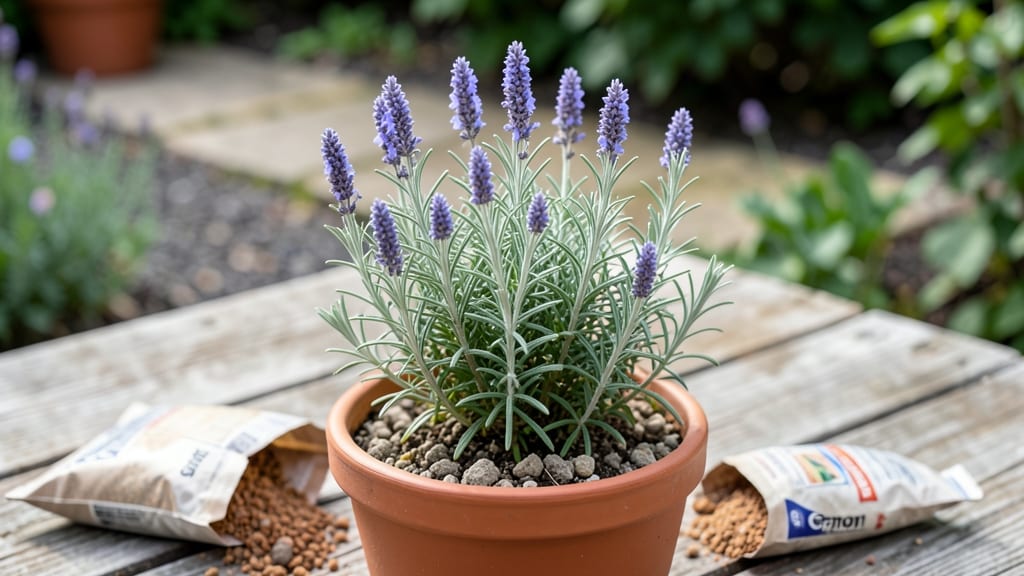
My rosemary goes from thriving to sad in weeks—until I discovered these container gardening hacks that keep it lush year-round. 🌿 The problem?
Most people drown rosemary in winter or let it dry out in summer, but the real secret lies in soil, drainage, and light adjustments that mimic its Mediterranean roots.
Start with a well-draining mix—equal parts potting soil, perlite, and coarse sand—plus a pot with drainage holes. Overwatering is the #1 killer, so stick your finger in the soil: if the top inch feels damp, wait.
Rosemary hates soggy roots but won’t survive drought either. A south-facing windowsill or grow light keeps it happy indoors, while outdoor pots need afternoon shade in summer.
Prune back woody stems in early spring to encourage fresh growth, and trim leggy branches to keep it compact. Yellowing leaves? Check for spider mites—spray with neem oil if you see webbing. The payoff? A bush that stays fragrant, bushy, and productive for years, not just one season.
Works for balconies, kitchens, or patios—just adjust light and water as seasons shift. No more sad, scraggly rosemary. Let’s fix this together!
📚 In This Guide
- What you need
- Instructions
- Tips and common mistakes
- Wrapping up and next steps
What you need
- ● Rosemary plant: 1 healthy, disease-free starter (choose Upright or Prostratus varieties for containers).
- ● Container: 1–2 drainage-heavy pots (12–18" diameter/width for mature plants; terracotta, ceramic, or fabric grow bags work best).
- ● Potting mix: 3–5 gallons of well-draining soil blend (50% cactus/succulent mix + 50% perlite/pumice or coarse sand).
- ● Drainage layer: 1–2" of pebbles, gravel, or broken pottery (prevents root rot).
- ● Watering can: 1 with a narrow spout (avoids overwatering).
- ● Pruning shears: 1 pair of sterilized, sharp shears (for trimming).
- ● Sunlight access: Full sun (6+ hours/day) or a grow light (if indoors).
- ● Slow-release fertilizer: 1 packet of balanced 10-10-10 or rosemary-specific granules.
- ● Mulch: Gravel or decorative stones (keeps soil dry and looks chic!).
- ● Self-watering system: 1 wicking bed kit (for low-maintenance growth).
- ● Support stake: 1 bamboo or metal stake (for tall varieties).
- ● Compost tea: 1 bottle (boosts soil microbes for extra vigor).
Step-by-step instructions for year-round rosemary in containers
Here's how I keep rosemary thriving in pots through every season—no wilting, no woody stems, just lush growth.
🪴 Step 1: Choose the Right Container and Drainage
Rosemary roots hate soggy soil, so pick a container with multiple drainage holes—at least three for a 12-inch pot. I use unglazed terra cotta because it breathes and prevents root rot. If your pot has only one hole, drill two more on opposite sides to ensure excess water escapes.
Size matters: 12-inch pots work for one mature rosemary plant, but if you're growing four plants (like your servings), use 16-inch pots or cluster them in a large trough. The key is 1-2 gallons of soil per plant—any less and roots compete for nutrients, causing stunted growth.
☀️ Step 2: Plant in Well-Draining Soil with Full Sun
Fill the pot with a mix of 60% premium potting soil and 40% perlite or coarse sand—this ensures drainage while holding enough moisture for rosemary’s Mediterranean roots. I press the soil down lightly to remove air pockets, then make a small hole in the center just deep enough to bury the root ball no deeper than it was in its nursery pot.
Rosemary thrives in full sun (6+ hours daily), so place your container on a south-facing patio, balcony, or deck. If you’re in a shadier spot, supplement with a grow light for 12-14 hours daily—without enough light, stems stretch and leaves turn pale. Watch for yellowing leaves as a sign of too little sun.
💧 Step 3: Water Deeply but Infrequently
Rosemary’s drought-tolerant, so water only when the top 2 inches of soil feel dry—stick your finger in to check. When you water, soak the soil thoroughly until water runs out the drainage holes. I use a watering can with a narrow spout to direct moisture to the roots without splashing leaves, which can cause fungal issues.
Overwatering is the #1 killer of potted rosemary. If the pot feels heavy or water pools in the saucer, wait another day before watering again. In winter, reduce watering to every 2-3 weeks—rosemary goes semi-dormant in cooler months, and soggy soil invites root rot.
✂️ Step 4: Prune for Bushiness and Prevent Woody Stems
Trim rosemary right after flowering (spring or early summer) to encourage new growth. Use clean, sharp pruners to cut back one-third of the plant, focusing on leggy stems and overcrowded branches. This isn’t just for looks—pruning stimulates fresh, tender growth that’s perfect for cooking.
Here’s the trick: never let rosemary grow too tall in a pot. If it outgrows its container, it becomes woody and loses flavor. If you see long, bare stems with small leaves, it’s time to propagate cuttings or repot into a larger container (up to 18 inches wide).
⏰ Step 5: Overwinter with Protection and Less Water
When temperatures drop below 40°F, move your rosemary to a sheltered spot like a garage or under an eave. If you’re in a Zone 8+, it can stay outside with light mulch around the base. In colder climates, bring pots indoors near a south-facing window or under grow lights for 10-12 hours daily.
Reduce watering to once every 3-4 weeks in winter—rosemary’s growth slows, and excess moisture causes root rot. If leaves yellow or drop, it’s a sign of overwatering or low light. A little stress is normal, but wilting stems mean it’s time to adjust care.
Tips & tricks for thriving rosemary in containers
Between us, rosemary in pots doesn't have to be a gamble—these tricks turn it into a foolproof, fragrant success.
Container Material Matters: Unglazed terra cotta isn't just my preference—it's a game-changer for rosemary. The porous material wicks away excess moisture, preventing the root rot that plagues so many container plants. If you're stuck with plastic or glazed pots, add an extra 20% perlite to your soil mix to compensate. I've seen rosemary plants revive after switching to terra cotta when they were struggling in plastic containers.
Sunlight Strategy: Those 6+ hours of daily sun are non-negotiable, but here's the secret: position your pots where they'll get morning sun and afternoon shade in summer. This prevents scorching while still providing the light rosemary craves. In winter, rotate pots weekly so all sides get equal exposure—you'll notice new growth appearing on previously shaded sides within a month.
Pruning Precision: When you're cutting back that one-third of the plant in Step 4, focus on the oldest stems first. These are the ones that turn woody and lose flavor. I make my cuts just above a leaf node where new growth will emerge. Use clean pruners and sterilize them with rubbing alcohol between cuts to prevent spreading disease. This isn't just about aesthetics—proper pruning keeps your rosemary productive for cooking for years.
Winter Survival Hack: If you're bringing pots indoors for winter, give them a "hardening off" period first. Move them to a sheltered spot outside during the day for 2-3 weeks before bringing them in completely. This gradual transition prevents shock. I also wrap the pots in bubble wrap (except drainage holes) to protect roots from indoor temperature fluctuations—it's like giving them a cozy sweater.
Pro Tips for My Rosemary Goes
- Between us, rosemary in pots doesn't have to be a gamble—these tricks turn it into a foolproof, fragrant success.
- Container Material Matters: Unglazed terra cotta isn't just my preference—it's a game-changer for rosemary. The porou...
- Sunlight Strategy: Those 6+ hours of daily sun are non-negotiable, but here's the secret: position your pots where th...
Frequently asked questions
How often should I water my container rosemary?
Rosemary in containers dries out fast—check soil moisture daily in summer! Water only when the top inch feels dry. Overwatering is the #1 killer—drainage holes are a must. In winter, cut back to once every 10–14 days. Pro tip: Use your finger to test moisture; if it’s damp deeper than 1 inch, wait a day.
Why is my rosemary turning brown or crispy?
Brown edges usually mean too much sun or underwatering. If the soil is dry as dust, soak it thoroughly. For crispy tips, it’s likely overwatering or cold stress—trim the damaged stems and adjust care. Move containers to morning sun if leaves scorch. In winter, protect from freezing temps (below 20°F) with a frost cloth.
Can I grow rosemary indoors year-round?
Place it near a south-facing window (6+ hours of light) or use a grow light. Rotate the pot weekly for even growth. Keep humidity low (rosemary hates soggy air) and use a well-draining mix. Watch for pests like spider mites—spray with neem oil if needed. Just avoid drafts (like AC vents)!
What’s the best container size for rosemary?
Rosemary needs depth over width—aim for at least 12 inches deep and 10–12 inches wide. Shallow pots (like salad bowls) stunt roots. For multiple plants, space them 8–12 inches apart. Use terracotta for heat-loving varieties or insulated fabric pots to regulate temps. Drainage holes are non-negotiable!
How do I prune rosemary to keep it bushy?
Prune in early spring to encourage growth—trim back ⅓ of the plant to shape it. Snip just above a leaf node (where leaves meet stems) to promote branching. Avoid heavy pruning in fall/winter (it’s dormant!). Deadhead spent flowers to redirect energy. Never shear it like a hedge—rosemary grows best with natural shape!
What can I do if my rosemary gets leggy or woody?
Leggy rosemary = not enough light. Move it to a brighter spot immediately. If it’s woody at the base, it’s likely overcrowded—divide the plant or repot into fresh soil. For severe cases, take 3–4 inch cuttings, root them in water, and propagate new plants. Prevent future legginess with full sun (6+ hours)!
Wrapping up and next steps
Your rosemary doesn’t have to be just a seasonal plant—with the right container gardening hacks, it can thrive year-round! 🌿 Whether you’re dealing with cold snaps, limited space, or curious critters, these tips ensure your fragrant herb stays lush and happy.
The key is observation, adaptability, and a little creativity—so grab those containers and get growing!
Ready to take the next step? Start small—pick one hack to try this week, then expand as you gain confidence. Before you know it, you’ll have a bountiful, evergreen rosemary plant that’s the envy of your kitchen (and your neighbors!). Happy gardening! 🌱