
Shrubs
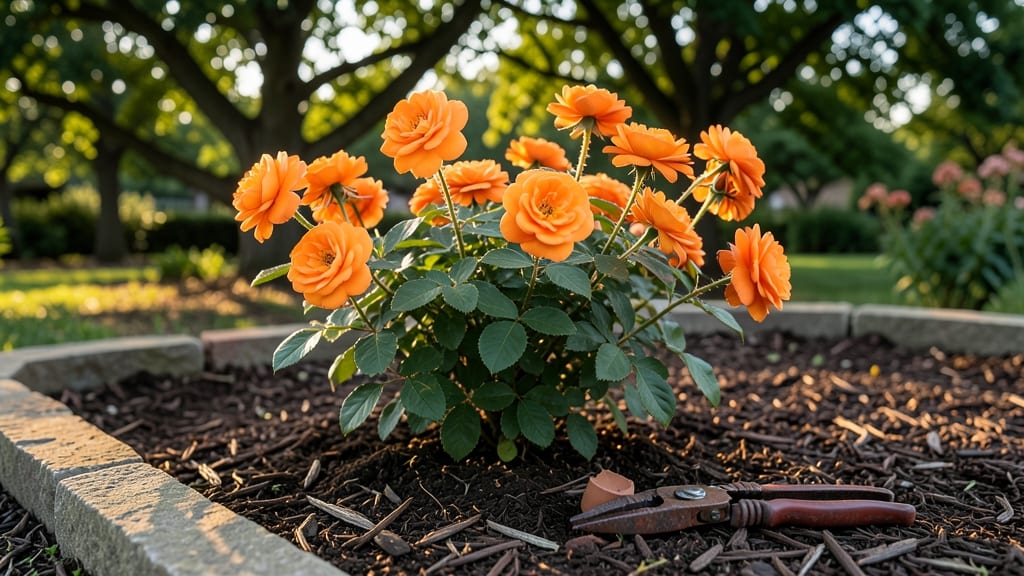
Orange mini roses burst with sunshine in containers, and they're easier to grow than you'd think. 🌸 Their compact size and vibrant blooms make them perfect for balconies, window boxes, or small gardens where space is limited.
What makes them special is their ability to thrive in containers year-round with the right care.
The secret to their success lies in well-draining soil mixed with compost and a sunny spot that gets at least 6 hours of sunlight daily. Water them when the top inch of soil feels dry, and always ensure pots have drainage holes to prevent root rot.
These little powerhouses reward you with blooms almost nonstop from spring through fall.
Pruning is simple: trim back leggy stems after each flush of flowers to encourage bushier growth. In winter, move containers to a sheltered spot or wrap them in burlap for protection.
With proper care, your orange mini roses will stay fragrant and productive for years, adding a pop of color wherever you place them.
They're low-maintenance enough for beginners but striking enough to impress even seasoned gardeners. Whether you're a container gardener or just love bold colors, these roses deliver big results with minimal effort. Ready to bring some sunshine to your space?
📚 In This Guide
- What you need
- Instructions
- Tips and common mistakes
- Wrapping up and next steps
What you need
- ● Orange Mini Rose Bushes: 3–5 healthy, disease-resistant mini rose bushes (e.g., 'Fairyland,' 'Bonica,' or 'Playboy' varieties). Choose bare-root or potted plants.
- ● Pro Tip: 🌡️ Select bushes with thick canes and plump buds for best results!
- ● Containers: 1–2 large containers (12–18 inches deep) with drainage holes (terracotta, ceramic, or fabric pots work best).
- ○ Optional: Self-watering pots for low-maintenance care.
- ● Potting Mix: 1 bag (40–50 lbs) of well-draining potting mix (avoid garden soil—it compacts!).
- ● Boost drainage: Mix in perlite or coarse sand (1 part perlite to 3 parts soil).
- ● Fertilizer: Slow-release rose fertilizer granules (e.g., Miracle-Gro Shake 'n Feed) or liquid fertilizer (20-20-20 ratio).
- ○ Optional: Organic options like fish emulsion or compost tea.
- ● Tools: Trowel or small shovel
- ● Pruning shears (sterilized with rubbing alcohol)
- ● Gloves (to protect from thorns!)
- ○ Optional: Mulch (pine bark or straw) to retain moisture.
- ● Sunlight: A spot with 6+ hours of direct sunlight daily (south- or west-facing is ideal).
- ● Watering Setup: A watering can with a rose or long spout (or a drip irrigation kit for consistency).
- ● Climate Considerations: For year-round blooms, ensure your containers are mobile to relocate indoors during frost (e.g., near a sunny window).
- ● Pro Tip: 💡 In cold climates, use insulated grow bags or wrap pots in bubble wrap for winter protection!
Step-by-step instructions for growing orange mini roses in containers
Here’s how to cultivate vibrant, fragrant orange mini roses that thrive in pots all year long.
🪴 Step 1: Choose the Right Containers and Drainage
Mini roses need pots with drainage holes—no exceptions. I use 12-inch diameter containers with at least three holes to prevent root rot. Terra cotta pots work best because they breathe, but any unglazed ceramic or plastic pot with drainage will do. If your pot lacks holes, drill them yourself—just don’t make them too big, or soil will wash out.
Place a 2-inch layer of gravel or broken pottery at the bottom before adding soil. This creates a reservoir for excess water while keeping roots dry. Skip this step, and soggy soil will strangle your roses in days. I also add a mesh screen over the holes to keep gravel in place—trust me, it’s worth the two minutes.
🌱 Step 2: Prepare Soil and Plant Bare-Root Roses
Fill your pot with a mix of 50% premium potting soil and 50% perlite or coarse sand for drainage. Mini roses hate soggy roots, so this blend keeps moisture balanced. Moisten the soil with warm water until it’s damp but not dripping—think of a wrung-out sponge. Avoid cold water, which can shock the roots.
Remove your bare-root mini rose from its packaging and soak the roots in room-temperature water for 15-20 minutes. This revives dormant roots before planting. Gently separate the roots if they’re tangled, then place the plant in the pot so the graft union (the bump near the base) sits 1 inch below soil level. This ensures strong growth and prevents disease.
☀️ Step 3: Position for Light and Water Properly
Mini roses crave 6+ hours of direct sunlight daily. A south-facing window or patio is ideal, but if you’re growing indoors, supplement with a grow light kept 6 inches away from the plant. Without enough light, stems stretch weakly, and blooms turn sparse. You’ll know your roses are happy when they produce bright green leaves and buds every 4-6 weeks.
Water deeply once a week—until water runs out the drainage holes—and lightly every 2-3 days in between. Overwatering is the #1 killer of container roses. Stick your finger 1 inch into the soil; if it feels dry, it’s time to water. In winter, cut back to every 10-14 days—roses go semi-dormant and need less moisture.
✂️ Step 4: Prune and Fertilize for Continuous Blooms
After the first flush of blooms fades, prune back stems by ⅓ to encourage bushier growth. Use clean, sharp pruners and cut just above a leaf node (the bump where leaves grow). Remove any dead or yellowing leaves immediately—they drain energy from your plant. I prune mine in early spring and late summer for nonstop color.
Feed your roses every 4-6 weeks with a balanced rose fertilizer (10-10-10 or 20-20-20). Dilute it to half-strength to avoid burning roots. I also sprinkle 1 tablespoon of Epsom salt around the base monthly—it boosts flower production and keeps leaves vibrant. Stop fertilizing in fall and winter when growth slows.
🌿 Step 5: Overwinter and Protect from Cold
When temperatures drop below 40°F, move your pots to a garage or sheltered porch where temps stay above freezing. If you must leave them outside, wrap the pot in burlap and mulch the soil with 2 inches of straw to insulate roots. Frost can kill tender mini roses overnight, so don’t skip this step.
Reduce watering to once every 2-3 weeks in winter, and stop fertilizing entirely. Your roses will look dormant, but they’re conserving energy. In early spring, when buds swell, bring them back indoors or to a sunny spot. You’ll see new growth within 2-3 weeks—proof they’re ready for another season of blooms.
Tips & tricks for perfect orange mini roses in containers
Growing these delicate blooms successfully comes down to a few key details that make all the difference. Here's what I've learned from years of cultivating vibrant orange mini roses in pots.
Drainage is Non-Negotiable: The 12-inch containers with three drainage holes aren't just a suggestion—they're essential. I've had roses die within weeks from soggy soil, even when I thought I wasn't overwatering. That 2-inch gravel layer at the bottom creates a crucial buffer. If you're working with pots without holes, drill them yourself (use a drill bit slightly smaller than your finger) and always add the mesh screen. This prevents soil from clogging the holes while keeping roots properly aerated.
Root Revival Technique: That 15-20 minute root soak before planting is where the magic happens. I've seen dormant roots come back to life right before my eyes during this step. Use room-temperature water—not cold from the tap—and gently swirl the roots occasionally. After soaking, handle them like you would a newborn baby: no rough pulling or bending. The graft union should sit exactly 1 inch below soil level—this prevents disease and encourages strong growth upward.
Light Requirements Matter: The 6+ hours of direct sunlight isn't just about blooms—it's about survival. I learned this the hard way when my indoor roses stretched into weak, leggy stems. If you're growing indoors, position your grow light 6 inches away and keep it on for 12-14 hours daily. Watch for those bright green leaves and buds appearing every 4-6 weeks—they're your plant's way of saying "thank you" for proper light. In winter, supplement with extra light if natural sunlight drops below 4 hours daily.
Winter Protection Strategy: When temperatures drop below 40°F, your roses need shelter. I've had roses survive winter outside only to be killed by a single overnight frost. The burlap wrapping and 2-inch straw mulch create an insulating barrier that maintains soil temperatures above freezing. If you're moving pots indoors, place them near a bright window but avoid heat sources like vents—consistent temperatures are key during dormancy.
Pro Tips for Orange Mini Roses
- Growing these delicate blooms successfully comes down to a few key details that make all the difference.
- Drainage is Non-Negotiable: The 12-inch containers with three drainage holes aren't just a suggestion—they're essential.
- Root Revival Technique: That 15-20 minute root soak before planting is where the magic happens.
Frequently asked questions
Got questions about growing and caring for orange mini roses? You’re not alone! These vibrant, compact beauties are a favorite, but they do require some know-how. Below, we’ve rounded up the most common queries—from planting tips to troubleshooting—to help you keep your mini roses thriving in containers all year.
How often should I water my orange mini roses in containers?
Mini roses in containers dry out fast—check soil moisture daily in hot weather! Water when the top inch feels dry, but avoid soggy soil. Pro tip: Use well-draining potting mix and a container with drainage holes to prevent root rot. Morning watering reduces evaporation and fungal risks.
When is the best time to plant orange mini roses in pots?
Spring (after the last frost) or early fall are ideal for planting. Mini roses adapt well to containers, so you can even plant them year-round in mild climates—just adjust watering and sunlight. If starting from bare roots, soak them for 4–6 hours before potting to reduce transplant shock.
How much sunlight do orange mini roses need in containers?
These sun-lovers thrive with 6–8 hours of direct sunlight daily. In containers, they’re more flexible—partial shade (3–4 hours of sun) works in hot climates, but expect fewer blooms. South- or west-facing spots are perfect! Rotate pots occasionally for even growth.
Why aren’t my orange mini roses blooming as much as I expected?
Overcrowded roots, poor nutrition, or inconsistent watering often cause sparse blooms. Fix it:
- Fertilize monthly with a balanced rose food (10-10-10) during growing season.
- Prune dead or overgrown stems in early spring to encourage new growth.
- Check for pests like aphids or spider mites—spray with neem oil if needed.
Can I grow orange mini roses indoors near a window?
Yes! Place them in a sunny south- or west-facing window (like a greenhouse setup). Use a grow light for 12–14 hours/day if natural light is limited. Watch for leggy growth—rotate pots weekly and prune to maintain shape. Humidity trays help combat dry indoor air.
How do I overwinter orange mini roses in containers?
Move pots to a protected spot (like a garage or under eaves) before frost. Reduce watering but keep soil slightly moist. Wrap pots in bubble wrap or use frost cloth for extra insulation. Resume regular care in spring when temps rise above 50°F.
Wrapping up and next steps
Orange mini roses are a burst of sunshine for any garden or patio, offering year-round beauty, fragrance, and low-maintenance charm. Whether you’re a seasoned gardener or just starting, these compact shrubs bring joy with minimal effort—perfect for containers, borders, or even as a striking centerpiece. 🌸
Now that you’re equipped with the right tips and tricks, roll up your sleeves and plant your own! Start small with a single pot or go bold with a vibrant display—your space will thank you. Happy gardening! 🌱