
Plants
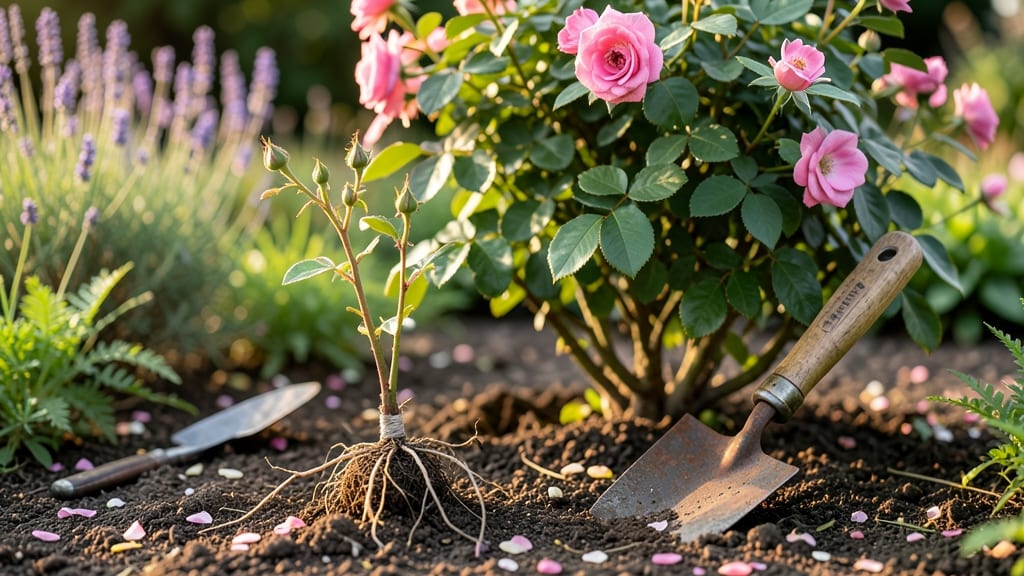
Planting roses in Texas at the right time ensures they thrive in 8a-10b heat and humidity, with fall and early spring as the best windows for strong root growth.
Texas gardeners know timing is everything—plant roses too early, and frost can strike; too late, and summer heat stresses young plants. But mastering the perfect window ensures vibrant blooms year after year.
Bare-root roses need cooler soil temps, so fall planting in October-November gives roots time to settle before winter. Container-grown roses, however, can handle spring planting in February-March without stress.
Below, I break down the exact months by zone, soil prep tips to beat Texas clay, and how to avoid common mistakes that kill roses before they bloom.
Texas rose planting calendar: exact months by hardiness zones (6-10)
Texas spans USDA Zones 6-10, creating dramatic differences in frost timing and heat intensity. In North Texas (Zones 7-8), last frosts arrive around February 15, while South Texas (Zones 9-10) sees frost-free winters entirely.
These variations mean your rose planting window shifts from region to region—but following the 100-day rule keeps young roots safe from summer heat stress.
Mastering these zones ensures your roses establish strong roots before Texas summers hit. Fall planting (October-November) gives roots time to settle before winter, while spring planting (February-March) avoids summer drought. The key? Soil temperatures must stay above 60°F for 6+ weeks before planting—critical for root growth.
I’ve planted roses in Zone 8a (Dallas) and Zone 9a (Houston), and the difference in timing is night-and-day. In colder zones, bare-root roses need 6-8 weeks before first frost to establish, while container-grown roses adapt faster.
South Texas gardeners? You’ve got more flexibility—but still avoid peak summer heat (May-August) when roots struggle.
Here’s the zone-by-zone breakdown you need to plan your rose garden like a pro:
| Zone | Last Frost | First Frost | Ideal Planting Months | Soil Temp Requirement | 100-Day Rule End Date |
|---|---|---|---|---|---|
| 6 (North Panhandle) | Mid-March | Mid-November | October, February | 60°F+ for 2 weeks | June 15 |
| 7 (North Texas) | February 15 | December 1 | October-November, February | 60°F+ for 3 weeks | June 30 |
| 8 (Central Texas) | March 1 | November 15 | September-October, February-March | 60°F+ for 4 weeks | July 15 |
| 9 (South Texas) | None (Frost-free) | None | September-October, January-February | 60°F+ year-round | August 15 |
| 10 (Deep South Texas) | None | None | September-October, January | 65°F+ year-round | August 31 |
Notice how Zone 10 has no frost dates? That’s why you can plant year-round there—but even in Houston, September-October is ideal to beat summer’s brutal heat. The 100-day rule means if you plant in October, your roses must establish roots before January 15 (for Zone 8) to survive winter.
For bare-root roses, soak roots overnight before planting to prevent transplant shock. Container-grown roses adapt faster but need deep watering immediately after planting. I always add compost to the planting hole—Texas clay drains poorly, and roses hate soggy roots.
Mix in sand or perlite to improve drainage if your soil feels heavy.
Pro tip: Use mulch (2-3 inches of pine straw or shredded bark) to retain moisture and regulate soil temps. In Zone 7-8, mulch also protects roots from late frosts. And if you’re in South Texas, shade cloth during peak summer (June-July) prevents heat stress on young plants.
Timing isn’t just about months—it’s about weather patterns. Check your local Cooperative Extension Service for microclimate data. For example, Dallas (Zone 8a) might have a late frost in March, while Austin (Zone 8b) rarely sees frost after February.
Plant accordingly, and your roses will reward you with vibrant blooms all season
How to prepare Texas soil and climate for rose success before planting
Texas soil presents unique challenges for roses—alkaline clay and intense heat can stifle growth if not addressed. Before planting, focus on soil amendments, moisture retention, and microclimate adjustments to create an ideal environment.
My top 3 priorities? Lowering pH, improving drainage, and protecting young roots from extreme conditions. Let’s break down the essential steps to set your roses up for success.
Start by testing your soil pH—most Texas soils hover between 7.5 and 8.5, which is too alkaline for roses. Aim for a slightly acidic range of 6.0 to 6.5.
You can lower pH naturally with sulfur or peat moss, but avoid overdoing it—too much acidity can harm beneficial microbes. Mix in 2-3 inches of compost or well-rotted manure to improve soil structure and add organic matter, which helps retain moisture and nutrients.
Next, tackle drainage issues. Texas clay holds water like a sponge, leading to root rot if not amended. Dig a 6-inch-deep hole where your rose will go and fill the bottom with a 3-inch layer of gravel or coarse sand.
This creates a drainage layer while blending with the native soil. For urban gardens with compacted soil, consider raised beds—they warm up faster in spring and give you better control over soil composition.
⚠️ WARNING: Common Mistake in Texas Rose Planting Planting roses in unamended alkaline soil or full summer sun without protection will stress your plants. Here’s what to avoid:
- Skipping soil tests—assume nothing about your soil’s pH or texture.
- Planting too late in spring—by May, Texas heat can scorch young roots.
- Using fresh mulch—it draws moisture away from roots; opt for aged compost instead.
Mulching is non-negotiable in Texas. Apply a 3-inch layer of organic mulch (like pine bark or shredded leaves) around your rose’s base, but keep it 2 inches away from the stem to prevent rot.
Mulch retains moisture, regulates soil temperature, and suppresses weeds—critical in our hot, dry climate. For container-grown roses, use moisture-retentive mulch like cocoa hulls and water daily in summer since pots dry out faster.
Adjust for microclimates—your yard isn’t uniform! South-facing areas get scorching afternoon sun, while north sides stay cooler. If planting in urban heat islands, opt for raised beds or partial shade (like near a fence or patio) to reduce heat stress.
For bare-root roses, plant them in early spring (February-March) or fall (October-November) to give roots time to establish before extreme heat or cold arrives.
Finally, water wisely. Newly planted roses need deep, infrequent watering—1-1.5 gallons per plant, 2-3 times per week—to encourage deep root growth. Use drip irrigation or soaker hoses to deliver water slowly at the base, avoiding wetting foliage (which promotes fungal diseases).
In summer, water early in the morning to minimize evaporation and reduce fungal risks. 🌿