
Shrubs
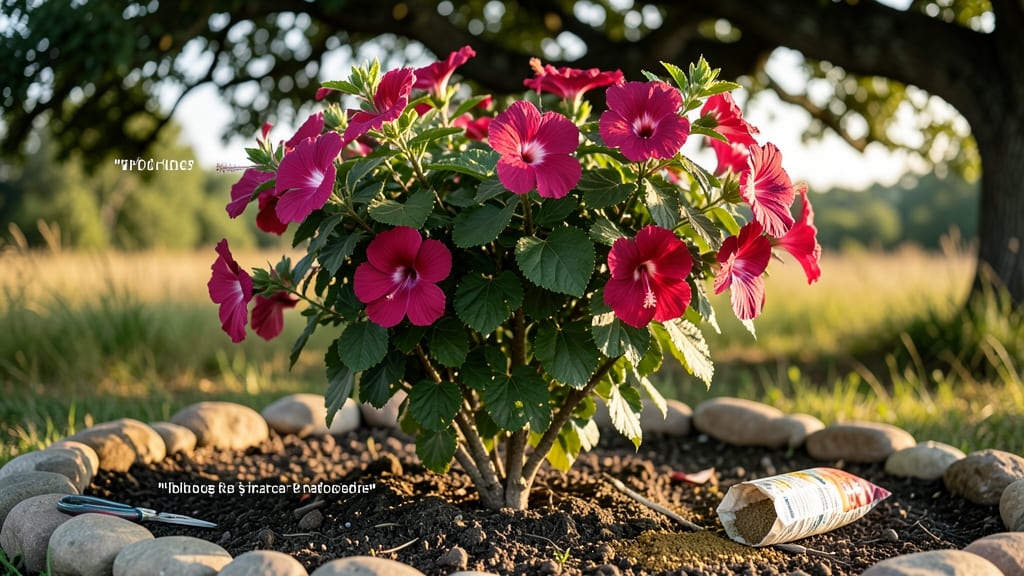
Your Rose of Sharon shrub can go from unruly jungle to showstopping focal point in just a few hours. ✂️ I’ve turned my own overgrown Hibiscus syriacus from a tangled mess into a well-shaped, blooming powerhouse—here’s exactly how to do it without stress or guesswork.
The secret lies in timing and technique: prune in late winter or early spring before new growth starts, and always cut back to a strong bud or branch. You’ll need sharp pruners, gloves, and a ladder (for taller shrubs), but that’s it—no fancy tools required.
The goal is to open up the center for airflow and sunlight, which keeps the plant healthy and encourages more blooms.
By the end of the session, you’ll have a neat, manageable shape that blooms prolifically all summer. The key is patience—don’t rush the cuts, and avoid over-pruning, which can stress the plant. With the right approach, your Rose of Sharon will reward you with vibrant flowers for years to come.
This method works for any size shrub, whether it’s a small hedge or a towering backyard centerpiece. Ready to transform that wild thicket into a garden star? Let’s get started.
📚 In This Guide
- What you need
- Instructions
- Tips and common mistakes
- Wrapping up and next steps
What you need
- ● Pruning shears – Sharp, bypass-style (for clean cuts), 10-12 inches (for thick branches).
- ● Loppers – Heavy-duty, 18-24 inches (for thicker stems).
- ● Pruning saw – 8-10 inches (for stubborn, woody branches).
- ● Garden gloves – Durable, cut-resistant (thorns are no joke!).
- ● Disinfectant (70% isopropyl alcohol or bleach solution) – 1 part bleach to 9 parts water (to sterilize tools).
- ● Heavy-duty trash bags – 2-3 large bags (for pruned debris).
- ● Hose with nozzle – For rinsing tools and cleaning cuts.
- ● Hand pruners – For smaller, detailed trims (great for shaping).
- ● Rubbing alcohol wipes – For quick tool disinfection between cuts.
- ● Mulch (wood chips or shredded bark) – 2-3 inches (to protect roots post-pruning).
- ○ Fertilizer (balanced 10-10-10 or slow-release) – Optional after pruning (boosts recovery).
- ● Stake & twine – If reshaping into a small tree form.
Step-by-step instructions for reviving and controlling an overgrown Rose of Sharon
Here’s how I transform unruly Rose of Sharon shrubs into lush, manageable plants without sacrificing their beauty.
🌿 Step 1: Assess the Shrub and Plan Your Approach
Start by examining your Rose of Sharon for signs of overgrowth—look for dense canes crowding the center, leggy branches reaching outward, or dead wood. I like to sketch a quick diagram of the shrub’s shape, marking which canes are healthy (green, flexible stems) and which are dead or crossing (gray, brittle, or rubbing against others). This helps me visualize the final shape and prioritize cuts.
Rose of Sharon thrives when pruned in late winter or early spring before new growth begins. If you’re tackling it now, focus on removing dead wood first—this prevents disease from spreading through open wounds. Use sharp, clean pruners to make cuts at a 45-degree angle, about ¼ inch above a bud or lateral branch facing outward. This ensures new growth will fill in gaps properly.
✂️ Step 2: Thin Out and Shape the Canes
This is where the magic happens. Begin by removing one-third of the oldest, thickest canes at the base. These are usually the largest and least flexible—cutting them back encourages younger, more vigorous growth. Next, thin out any crossing or rubbing branches, making sure light and air can circulate through the center. I aim for a rounded, vase-like shape with an open center, which prevents future congestion.
For leggy branches, shorten them by one-third to one-half to promote bushier growth. Watch for suckers—those small shoots sprouting at the base—and remove them completely. They drain energy from the main plant. After each cut, step back and assess the balance. You’ll see a more open, airy structure that looks instantly healthier.
☀️ Step 3: Feed, Water, and Monitor for Recovery
Once the pruning is done, give your Rose of Sharon a deep watering to help it recover from the stress. I like to add a balanced, slow-release fertilizer (like 10-10-10) around the root zone to support new growth. Avoid high-nitrogen fertilizers—they encourage leafy growth at the expense of flowers. Instead, focus on phosphorus and potassium to boost blooming.
Monitor the shrub closely for the next 4-6 weeks. You’ll notice new shoots emerging from the buds you left behind—these will fill in the gaps and restore the shrub’s natural shape. If you see any yellowing leaves or wilting, it’s a sign of overwatering or stress. Adjust your watering schedule to keep the soil moist but not soggy, and avoid pruning again until next season unless you spot dead wood.
Tips & tricks for reviving overgrown Rose of Sharon
A few simple tricks will transform your tangled Rose of Sharon into a thriving, manageable beauty.
Timing is Everything: Late winter or early spring is the perfect window for pruning—this aligns with the plant's natural dormancy period. If you're working outside this window, prioritize removing dead wood first to minimize stress. The 4-6 week recovery period mentioned is critical: new shoots will emerge from the buds you leave behind, so don't rush this process. The plant needs time to redirect energy to these new growth points.
Precision Cuts Matter: When making those 45-degree cuts about ¼ inch above a bud, focus on the angle—this prevents water from pooling on the cut, which can lead to rot. I like to use a sharp pruner and make clean cuts rather than tearing branches. For the one-third to one-half reduction on leggy branches, measure the branch length first to ensure you're cutting back proportionally. This visual guide helps maintain that balanced, vase-like shape.
Post-Prune Care: After pruning, that deep watering isn't just about hydration—it helps the plant recover from the shock of cutting. I've found that adding a balanced 10-10-10 fertilizer at this stage gives the plant the nutrients it needs to bounce back. The key is to avoid overwatering; let the soil dry slightly between waterings to prevent root rot. This is especially important during the 4-6 week recovery period when new growth is most vulnerable.
Tool Upgrade: Invest in a good pair of bypass pruners—they make cleaner cuts than anvil pruners and reduce damage to the plant. I also recommend sterilizing your tools with rubbing alcohol between cuts, especially if you're working with multiple plants. This prevents the spread of any potential diseases. A small pruning saw can come in handy for thicker branches that your pruners can't handle.
Pro Tips for Overgrown Rose Of Sharon
- A few simple tricks will transform your tangled Rose of Sharon into a thriving, manageable beauty.
- Timing is Everything: Late winter or early spring is the perfect window for pruning—this aligns with the plant's natural dormancy period.
- Precision Cuts Matter: When making those 45-degree cuts about ¼ inch above a bud, focus on the angle—this prevents water from pooling on the cut, which can lead to rot.
Frequently asked questions
Got questions about taming your overgrown Rose of Sharon? You’re not alone! Here are answers to the most common concerns—from pruning basics to long-term care—so you can bring your shrub back to its best without the guesswork.
When is the best time to prune a Rose of Sharon?
Prune your Rose of Sharon in late winter or early spring (before new growth), or right after flowering (late summer). Avoid heavy pruning in fall—it stimulates tender growth that may not survive winter. For dramatic shaping, spread pruning over two years to avoid stressing the plant.
How much can I cut back without killing my shrub?
You can safely prune up to ⅓ of the shrub’s total volume in one season. For severely overgrown plants, prune 1-2 feet off the top and sides, focusing on removing dead, crossing, or weak branches first. Never cut into old wood—Rose of Sharon blooms on new growth, so avoid over-pruning.
Will pruning reduce next year’s flowers?
Not if done correctly! Pruning stimulates new growth, which means more blooms the following year. Just avoid shearing (trimming evenly all over)—it encourages leggy growth. Instead, cut branches back to outward-facing buds to encourage a fuller, bushier shape with plenty of flowers.
Why are my Rose of Sharon leaves turning yellow or dropping?
Yellow leaves or defoliation often signal overwatering, root rot, or pests. Check for:
- Soggy soil: Rose of Sharon prefers well-draining soil—amend heavy clay with compost.
- Japanese beetles or spider mites: Spray with neem oil or insecticidal soap.
- Winter burn: Mulch the base in fall to protect roots from freeze-thaw cycles.
Can I replace my Rose of Sharon with a lower-maintenance shrub?
If pruning feels like too much work, consider these hardy, low-maintenance alternatives:
- Butterfly Bush (Buddleia): Drought-tolerant, attracts pollinators, and blooms prolifically.
- Spirea (Spiraea japonica): Thrives with minimal pruning and offers seasonal color.
- Dwarf Fothergilla: Fragrant spring blooms and vibrant fall foliage with almost no upkeep.
Wrapping up and next steps
Your overgrown Rose of Sharon doesn’t have to be a daunting task—with the right tools, patience, and these three simple steps, you can transform it into a thriving, manageable shrub that adds beauty to your landscape. 🌿 Whether you’re pruning for shape, health, or blooms, remember that consistency is key, and your efforts will pay off with vibrant foliage and stunning flowers.
Ready to take action? Grab your pruners and start today! If you’re feeling inspired, why not explore more gardening tips or share your progress with fellow plant lovers online? Your green thumb is about to shine brighter than ever! 🌸