
Planting
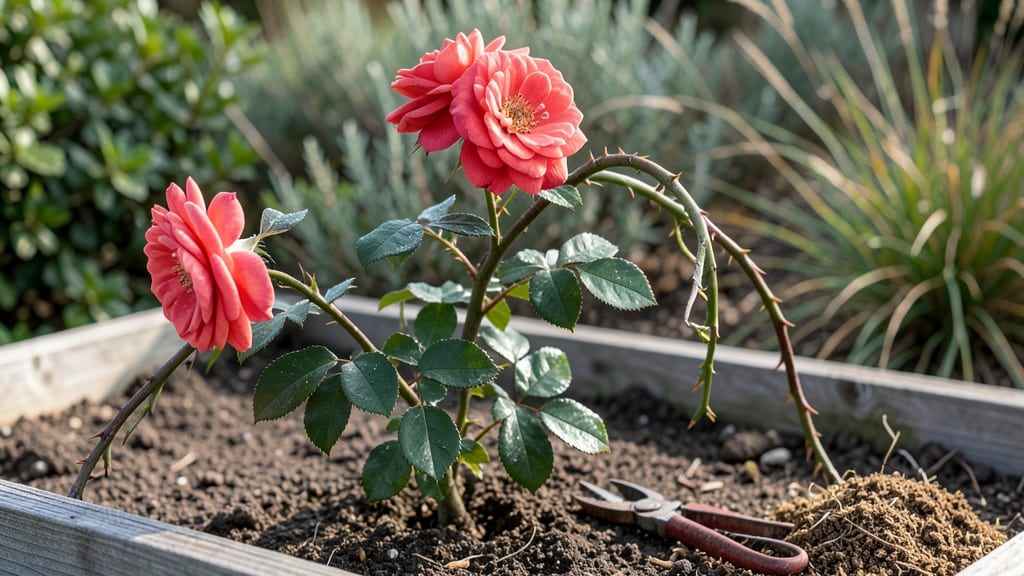
This paradise rose plant thrives on just 4 hours of sunlight daily and a little patience to bloom into a fragrant garden paradise—velvety, low-maintenance, and irresistibly perfumed. 🌸 and keep coming back all season long.
I’ve grown mine for three years now, and it’s become the showstopper of my backyard, attracting hummingbirds and neighbors alike with its shockingly lush growth and intoxicating scent.
This beauty thrives in well-draining soil with a touch of compost, and it’s tough enough to handle USDA zones 5-11—meaning it’s perfect for everything from coastal climates to inland heat.
Watering is simple: keep the soil consistently moist but never soggy, and you’ll avoid the most common mistake that turns Paradise Roses into sad, leggy vines. The key to its nonstop blooming?
A light prune after each flush of flowers to encourage new growth, but don’t overdo it—this plant rewards minimal effort.
By midsummer, you’ll be snipping fresh blooms for bouquets that last for days, and the plant will keep producing until frost. The secret weapon? Deadheading spent flowers regularly—it’s the one step that keeps your Paradise Rose looking like it belongs in a botanical garden, not just your backyard.
Plus, the more you prune, the fuller the plant grows, creating a dramatic cascading effect that’s impossible to resist.
Works equally well as a standalone shrub, a climbing vine on a trellis, or even in large containers for patios. Once established, it’s nearly indestructible—just give it space to spread and watch it reward you with years of effortless beauty.
Ready to grow one that’ll make your garden the talk of the neighborhood?
📚 In This Guide
- What you need
- Instructions
- Tips and common mistakes
- Wrapping up and next steps
What you need
- ● Paradise Rose Plant: 1 nursery-grown sapling (3–6 inches tall, potted or bare-root)
- ● OR seeds (soaked overnight for faster germination)
- ● OR healthy cuttings (4–6 inches long, with 2–3 leaf nodes)
- ● Well-draining potting mix: 5–10 gallons (depending on pot size), enriched with compost or organic matter (20–30% mix ratio).
- ● Container or garden bed: For potted plants: 15–20 gallon container with drainage holes (minimum 12" diameter).
- ● For in-ground planting: Full-sun location (6+ hours/day) with loose, fertile soil (pH 6.0–7.0).
- ● Fertilizer: Balanced 10-10-10 NPK granular fertilizer (2–3 tbsp per plant) or slow-release rose-specific pellets.
- ● Pruning shears: Sharp, sterilized shears (for shaping and deadheading).
- ● Watering can or hose: With a gentle spray nozzle (avoid soggy roots!).
- ● Mulch: 2–3 inches of organic mulch (e.g., shredded bark or straw) to retain moisture.
- ● Rooting hormone: For cuttings (speeds up root growth by 30–50%).
- ● Cage or trellis: 4–6 ft tall (Paradise Roses can grow 6–10 ft tall!).
- ● Epsom salt: 1 tbsp per gallon of water (monthly foliar spray for magnesium boost).
- ● Slow-release fertilizer spikes: For hassle-free nutrition (every 3–4 months).
- ● Plant support stakes: 3–4 bamboo stakes (if training vines vertically).
Step-by-step instructions for growing a thriving Paradise rose
Here's how to cultivate these fragrant, low-maintenance climbers that reward you with months of blooms.
🪴 Step 1: Choose the Perfect Planting Location
Paradise roses thrive in full sun—at least 6-8 hours daily—so select a spot where they'll receive morning sunlight and afternoon shade if your climate runs hot. I always check the microclimate: my west-facing wall gets scorching afternoon sun, so I planted mine against the north side of the patio instead. The key is 60-70°F daytime temperatures for consistent flowering.
Dig a hole twice as wide as the root ball but only as deep as the container it came in. Paradise roses hate having their graft union buried too deep—this ensures the plant stays healthy and produces strong canes. Amend the native soil with 2-3 inches of compost mixed into the bottom of the hole to encourage root establishment.
☀️ Step 2: Plant and Stake for Support
Remove the rose from its container and loosen any circling roots gently with your fingers. Place it in the hole so the graft union sits 2-3 inches above soil level—this prevents soil-borne diseases from reaching the graft. Backfill with native soil mixed with compost, tamping lightly as you go to eliminate air pockets.
Install a 5-6 foot tall trellis or sturdy post immediately after planting. Paradise roses grow 6-8 feet tall with arching canes, so they need strong support from day one. I like to use flexible garden ties to secure the main stems—this prevents damage as the plant grows. Water deeply right after planting to settle the soil around the roots.
💧 Step 3: Establish a Consistent Watering Routine
Water deeply once a week during the first growing season, providing 1-1.5 gallons per plant each time. The goal is to encourage deep root growth—not surface moisture. You'll know you're doing it right when the top 2 inches of soil feel dry between waterings. Mulch with 2-3 inches of organic mulch around the base (but not touching the stem) to retain moisture and regulate soil temperature.
Paradise roses are drought-tolerant once established, but never let them wilt. If leaves start curling or blooms drop prematurely, that's your signal to water more frequently. I always check the soil with my finger before watering—if it's dry past 1 inch down, it's time to hydrate.
✂️ Step 4: Minimal Pruning for Continuous Blooms
Here's the beauty of Paradise roses—they bloom nonstop with minimal pruning. After the first flush of flowers, trim back one-third of the oldest canes to encourage new growth. I always use clean, sharp pruners and make cuts just above an outward-facing bud. This keeps the plant compact and flowering.
Deadhead spent blooms regularly to redirect the plant's energy into new flowers rather than seed production. For winter care, reduce watering and cut back canes by half once they've gone dormant. This prevents weak growth in spring and keeps the plant healthy. Paradise roses are hardy in USDA zones 6-10, so they'll bounce back beautifully each season.
🌿 Step 5: Feed for Fragrant, Abundant Blooms
Feed Paradise roses with a balanced rose fertilizer (10-10-10) every 4-6 weeks during the growing season. I like to use a slow-release granular fertilizer for convenience—just sprinkle it around the base and water it in. The key is consistency: too much fertilizer leads to lush foliage but fewer blooms, while too little results in weak stems.
For extra fragrance, I add a handful of Epsom salt (magnesium sulfate) to the soil in early spring. This boosts chlorophyll production and enhances the roses' natural scent. You'll notice the difference within a few weeks—blooms become fuller, and the fragrance more intoxicating. Just be careful not to overdo it; 1 tablespoon per plant is plenty.
Tips & tricks for perfect Paradise rose planting
These simple secrets will help you grow fragrant, blooming vines that thrive with minimal fuss.
Location Matters: That 6-8 hours of sunlight is non-negotiable—Paradise roses won't bloom well in shade. I've seen them struggle in spots that get only 4-5 hours of sun, even with extra fertilizer. For hot climates, morning sun with afternoon shade prevents leaf scorch while maintaining those perfect 60-70°F daytime temperatures for flowering. Pro tip: Test your spot for a week first—shadows change throughout the day!
Root Care Secret: When planting, the 2-3 inches of compost in the bottom of the hole is your secret weapon for strong roots. I always mix in a handful of mycorrhizal fungi (available at garden centers) with the compost—this natural soil fungus helps roots absorb nutrients more efficiently. The wider hole gives roots room to spread without competition, which is especially important during that first critical growing season.
Watering Wisdom: The 1-1.5 gallons per week might seem like a lot, but it's about deep watering—not frequent light watering. I use a rain gauge to track exactly how much water my roses get naturally, then supplement during dry spells. The finger test (checking 1 inch down) is foolproof—if it's dry, water until moisture reaches 4-6 inches deep. This encourages those deep roots that make Paradise roses so drought-tolerant once established.
Pruning Precision: That one-third trim of oldest canes in Step 4 might seem drastic, but it's what keeps your rose blooming continuously. I mark the canes with colored ribbon before cutting—this helps me visualize which ones to trim next year. And always cut at a 45-degree angle just above an outward-facing bud. This simple technique prevents water from pooling on cuts and encourages new growth in the right direction.
Pro Tips for Paradise Rose Plant
- These simple secrets will help you grow fragrant, blooming vines that thrive with minimal fuss.
- Location Matters: That 6-8 hours of sunlight is non-negotiable—Paradise roses won't bloom well in shade.
- Root Care Secret: When planting, the 2-3 inches of compost in the bottom of the hole is your secret weapon for strong roots.
Frequently asked questions
Got questions about growing and caring for your paradise rose plant? You’re not alone! Here are some of the most common queries—plus quick, practical answers to keep your fragrant vines thriving with ease.
How fast does a paradise rose plant grow, and how big will it get?
A paradise rose plant is a fast grower, often adding 12–24 inches per year under ideal conditions. With proper support (like a trellis or fence), it can climb to 15–20 feet tall and spread 10–15 feet wide. Prune regularly to control size and encourage bushier growth. Pro tip: If you want a compact plant, trim back new growth by 1/3 early in the season.
When is the best time to plant a paradise rose?
The best time to plant is in early spring after the last frost, giving roots time to establish before summer heat. You can also plant in fall (4–6 weeks before frost) in mild climates. Avoid planting in extreme heat or cold—roots need time to adapt! Pro tip: If planting in summer, water deeply every 2–3 days for the first month to reduce stress.
Why aren’t my paradise rose flowers lasting long, and how can I fix it?
Paradise roses have short-lived blooms (usually 1–2 days), but deadheading (removing spent flowers) encourages more flowers. If blooms fade too quickly, check for overwatering, poor drainage, or lack of sunlight. Ensure it gets 6+ hours of sun daily and well-draining soil. Pro tip: Prune leggy stems in late winter to promote bushier, flower-packed growth.
Can I grow a paradise rose in a container, and what size pot do I need?
Yes! Paradise roses thrive in containers with at least a 15-gallon pot for mature plants. Use a fast-draining mix (like cactus/succulent blend) and ensure the pot has drainage holes. Expect to fertilize monthly and water more frequently than in-ground plants. Pro tip: Move containers to a sunny spot in winter if temps drop below 20°F.
What’s a good alternative if I want a low-maintenance, fragrant climbing plant?
If paradise roses seem high-maintenance, try jasmine (Trachelospermum jasminoides) or clematis—both are fragrant, climb well, and bloom prolifically. For zero-pruning options, passionflower (Passiflora) or honeysuckle are great choices. Pro tip: For year-round color, pair paradise roses with bougainvillea (drought-tolerant and vibrant).
Wrapping up and next steps
The Paradise Rose isn’t just a plant—it’s a gift of effortless beauty that rewards you with fragrant blooms year-round! With its low-maintenance charm and stunning visual appeal, it’s the perfect addition to any garden, balcony, or patio.
Whether you’re a seasoned gardener or just starting out, this resilient vine makes growing easy and rewarding.
Ready to transform your space? Start by gathering your supplies and choose a sunny spot to plant your Paradise Rose today—your future fragrant paradise awaits! 🌸✨