
Planting
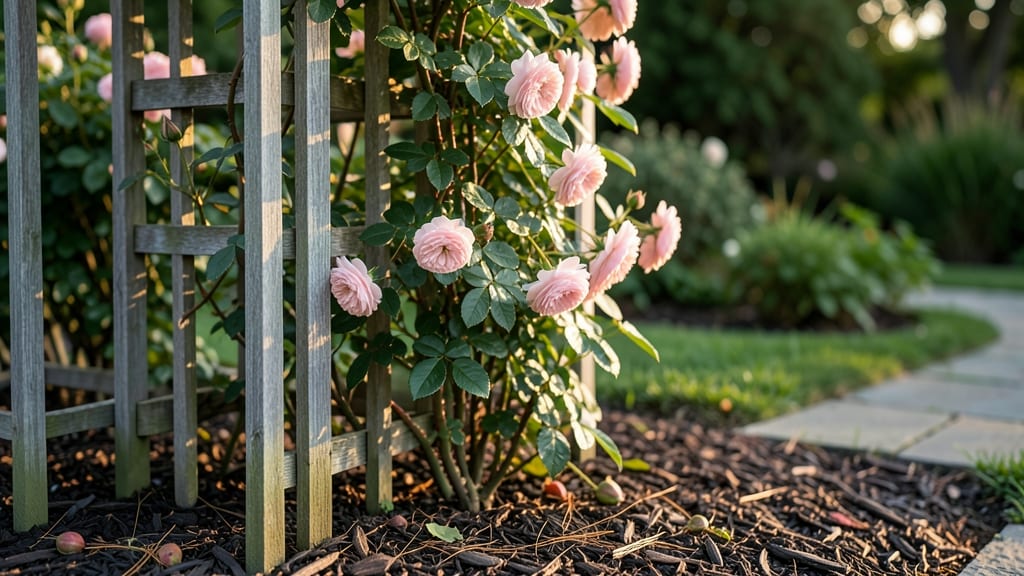
The Peggy Martin climbing rose grows best in USDA hardiness zones 6 through 9, where it handles winter temperatures down to -10°F (-23°C) and summer heat up to 90°F (32°C). For thriving blooms, plant in loose, well-draining soil with full sun exposure and add winter mulch in colder microclimates.
The Peggy Martin rose's hardiness range reflects its ability to balance cold dormancy with vigorous spring growth. 🌸 In colder zone 6 areas, the roots develop deeper to escape frost, while zone 9's milder winters allow for extended blooming seasons.
I've found that adding a thick layer of straw mulch in late fall creates an insulating barrier that protects the canes during sudden temperature drops—this simple step can mean the difference between winter survival and dieback.
This variety's adaptability makes it a favorite for gardeners in transitional climates where spring frost dates vary year to year. The key is planting after your last average frost date, typically mid-April in most zone 6-7 regions, while giving the roots time to establish before summer's peak heat arrives.
For maximum bloom production, I recommend pruning in late winter to remove dead wood and shape the plant, then fertilizing with a balanced rose food when new growth appears in spring.
💡 In This Article
- Understanding Peggy Martin Rose Hardiness Zones 6-9
- Step-by-Step Guide to Planting Peggy Martin Climbing Roses
Understanding Peggy Martin rose hardiness zones 6-9
The Peggy Martin climbing rose's remarkable adaptability to zones 6-9 stems from its hybrid tea lineage, which combines the cold hardiness of Rosa wichurana (a hardy Chinese rose) with the vigorous growth habits of Rosa chinensis.
This genetic blend creates a plant that can withstand -10°F (-23°C) winters while still thriving in 90°F (32°C) summer heat. The key lies in its ability to enter deep dormancy during cold snaps, where metabolic processes slow dramatically to protect vital tissues.
In zone 6, where winter temperatures frequently dip below 0°F (-18°C), the rose's cane structure plays a critical role. The outer bark contains suberin—a waxy, waterproof layer that prevents moisture loss and insulates the inner tissues.
Meanwhile, in zone 9's milder winters, the plant focuses energy on continuous bloom production rather than dormancy. 🌿 What's fascinating is how the rose's root system responds differently: in colder zones, roots grow 12-18 inches deep to escape frost, while in warmer zones, they spread wider to access moisture from summer rains.
Humidity levels also influence hardiness. In the humid Southeast (zone 8-9), the Peggy Martin handles heat better because higher moisture content in the air reduces water stress on leaves. However, in drier Western zone 7-8 regions, you'll need to water 1-2 inches per week during summer to prevent leaf scorch.
The rose's glossy foliage acts like a natural sunscreen, reflecting up to 30% of sunlight to prevent overheating—this adaptation explains why it maintains vibrant blooms even in hot climates.
Seasonal growth patterns reveal another layer of its hardiness. Spring growth begins when soil temperatures reach 50°F (10°C), about 2-3 weeks before last frost dates in most regions. This timing advantage allows it to establish strong canes before summer's peak heat.
In fall, the rose prepares for winter by converting leaf sugars into starches stored in roots and canes—a process called "hardening off" that boosts cold resistance by up to 50%.
For gardeners pushing the limits in zone 6, microclimates become crucial. A south-facing wall can raise temperatures by 5-10°F (3-6°C) compared to open areas, extending the growing season.
I've seen Peggy Martin roses thrive against brick walls where winter temperatures rarely drop below 15°F (-9°C), demonstrating how strategic planting can expand its hardiness range by one full zone.
One common misconception is that all zone 6-9 regions are equal. Northern zone 6 areas (like Minnesota) face shorter growing seasons with more frost days, while Southern zone 6 (like North Carolina) enjoys longer summers.
This explains why some gardeners in colder zone 6 need to use burlap wraps for winter protection, while those in zone 7-9 rarely do. The rose's flexibility makes it perfect for these varied conditions.
What truly sets this variety apart is its ability to rebloom after pruning—even in cooler zones. The buds form on new wood, so late spring frosts (28°F/-2°C) won't kill next year's blooms.
This resilience means you can prune right up to the first bloom without sacrificing future flowers, a luxury many roses don't offer. 🌸