
Flowers
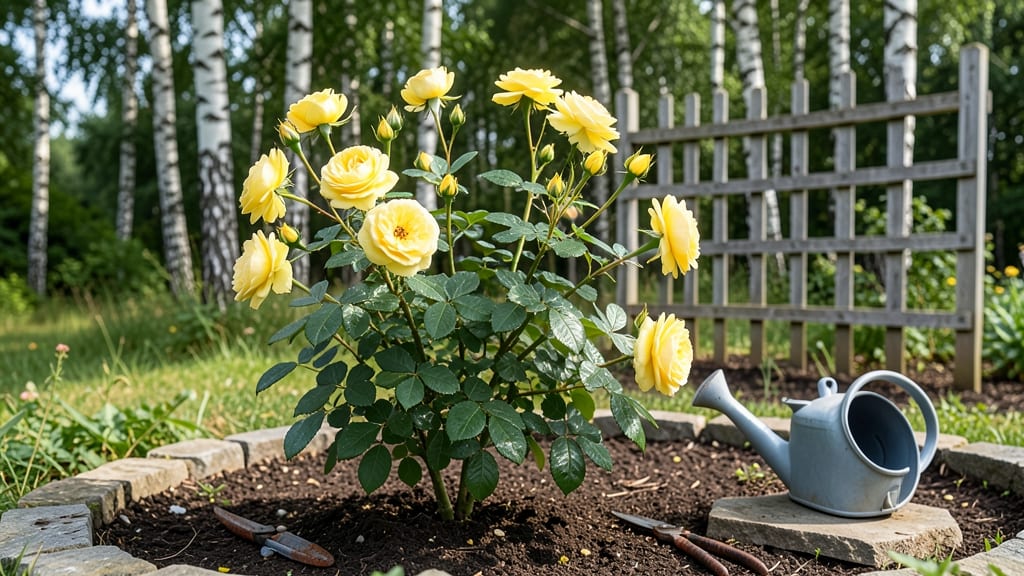
Growing a Persian Yellow Rose feels like cultivating a piece of history—its golden blooms and intoxicating fragrance have enchanted gardeners for centuries. 🌸 The good news? This elegant climber thrives in containers with surprisingly little fuss, making it perfect for small spaces or urban balconies.
Unlike finicky roses, it rewards minimal pruning and adapts well to different climates, as long as you nail a few key basics.
Sunlight is non-negotiable: these roses demand 6+ hours of direct sun daily, but they’ll tolerate light shade if you boost their nutrients. The soil needs excellent drainage—think 50% native soil, 30% compost, and 20% perlite—to prevent root rot, which is their Achilles’ heel.
Water deeply twice a week in summer, letting the top inch dry between sessions, but never soggy. Overwatering is the fastest way to kill their delicate roots.
Pruning feels counterintuitive because you’ll do less than you think. In late winter, snip back one-third of the oldest canes to encourage fresh growth, and deadhead spent blooms to trigger more flowers.
The real magic happens when you let it climb—train it on a trellis or fence, and you’ll get vibrant, repeat blooms from spring through fall. The fragrance alone makes the effort worth it.
Propagation is where things get interesting. Grafting is the gold standard for true-to-type Persian Yellows, but stem cuttings in summer work too if you root them in perlite and keep them humid. Watch for black spot fungus—your biggest enemy—and treat it immediately with neem oil.
With the right care, this rose will outperform its reputation as a high-maintenance diva and become your garden’s star performer.
Hidden Stresses Behind Fading Blooms
Understanding why your Persian yellow roses lose their vibrant hue or fail to thrive starts with uncovering the subtle (and sometimes not-so-subtle) stressors at play. These delicate climbers are prone to color shifts, wilting, or stunted growth when environmental or care-related factors disrupt their natural balance.
Let’s break down the science behind the most common culprits—so you can fix them before they become permanent issues.
Persian yellow roses are heat-loving but not heat-tolerant—they despise sudden shifts. When temperatures drop below 50°F (10°C) at night or spike above 95°F (35°C) during the day, their metabolic processes go haywire.
- Cold Stress: Chilly nights trigger ethylene gas production, accelerating flower senescence (the aging process). The petals lose pigmentation, turning dull yellow or brown. - Heat Stress: High daytime temps cause transpiration stress, where the plant loses water faster than roots can absorb it.
This leads to wilting, curled leaves, and dropped buds—even if the soil seems moist. - Solution: Use shade cloth (30-50%) during peak summer afternoons and mulch heavily (3-4 inches of straw or wood chips) to regulate soil temps.
In colder zones, row covers or a mini greenhouse can save the day.
Persian yellow roses are drought-sensitive but hate soggy roots. Watering mistakes are the #1 reason for poor color, weak stems, and disease.
- Underwatering: Leaves curl, buds drop, and petals lose vibrancy as the plant conserves energy. Chronic drought weakens the vascular system, making it harder to transport nutrients (like anthocyanins, which give roses their rich hues). - Overwatering: Saturated soil cuts off oxygen to roots, leading to root rot (Phytophthora).
Infected plants can’t absorb magnesium or calcium, causing yellowing between leaf veins (a classic nutrient deficiency sign). - Solution: - Check soil moisture with your finger—top 2 inches should be dry before watering. - Water deeply but infrequently (1-2 inches per week, more in heat). - Improve drainage with perlite or sand in heavy clay soils.
Yellow roses need specific micronutrients to maintain their golden glow. Deficiencies show up as pale petals, stunted growth, or weak stems.
| Symptom | Likely Deficiency | Quick Fix |
|---|---|---|
| Pale yellow petals | Nitrogen (N) | Apply balanced fertilizer (10-10-10) or compost tea. |
| Weak stems, small buds | Phosphorus (P) | Use bone meal or rock phosphate. |
| Yellowing leaves (edges) | Potassium (K) | Feed with wood ash or banana peel tea. |
| Dark green leaves, pale flowers | Magnesium (Mg) | Spray Epsom salt solution (1 tbsp/gallon). |
Pro Tip: 💡 Soil pH matters! Persian yellow roses prefer 6.0–6.5. Test your soil—if it’s too alkaline (above 7.0), iron and manganese become unavailable, causing chlorosis (yellowing).
Hidden invaders like spider mites, aphids, and black spot fungus drain energy, leading to poor color and stunted blooms.
- Spider Mites: Tiny pests suck sap, causing yellow stippling on leaves and weak stems.
They thrive in dry, dusty conditions. - Fix: Spray with neem oil or water blast (strong stream from a hose). - Aphids: Cluster on new growth, injecting toxins that distort flowers and leaves. - Fix: Introduce ladybugs or use insecticidal soap. - Black Spot (Fungus): Creates dark spots with yellow halos, defoliating the plant. - Fix: Remove infected leaves, apply copper fungicide, and space plants for airflow.
If your Persian yellow rose is container-grown, its roots may be circling or compacted, starving the plant of nutrients.
- Signs: Roots growing out of drainage holes, slow growth, or small, weak blooms.
- Solution:
- Repot every 2 years into a larger container with well-draining mix (50% potting soil, 30% perlite, 20% compost).
- Aerate soil by gently forking it to break up compaction.
Persian yellow roses crave full sun (6+ hours/day) but can bleach in intense midday rays without acclimation.
- Too Little Light: Leads to long, leggy stems and small, pale blooms due to etiolation (stretching toward light). - Too Much Harsh Sun: Causes sunburn (brown patches on petals) and stress-induced wilting. - Solution: Gradually introduce sunlight if moving from shade.
Use lightweight shade cloth in afternoons for high-light areas.
Final Note: Most issues with Persian yellow roses boil down to one (or more) of these factors. Start with water, soil, and pests—they’re the fastest fixes! Once you stabilize the basics, your roses will reward you with bold, fragrant blooms for years. 🌸
Reviving Your Climbing Beauty
When your Persian yellow rose loses its luster—whether from pests, disease, or poor care—don’t toss it out! With the right fixes, you can restore its vibrant blooms and fragrant charm. Below, we’ll tackle common issues with practical, step-by-step solutions and prevention tips to keep your climbing rose thriving.
Cause: Aphids, spider mites, or rose slugs (sawfly larvae) drain sap, causing curled leaves, sticky residue, or chewed petals.
Fix: 🔥 Spray with Neem Oil – Mix 1 tbsp neem oil + 1 tsp mild soap in 1 quart of water. Spray undersides of leaves (where pests hide) at dusk to avoid harming bees. Repeat every 5–7 days until pests vanish. 🍳 DIY Garlic Spray – Blend 3 garlic cloves + 1 tsp cayenne pepper in 1 quart of water. Strain, add 1 tsp soap, and spray directly on infested areas. Reapply weekly for stubborn pests. 👨🍳 Introduce Beneficial Insects – Ladybugs and lacewings devour aphids naturally. Buy them online or attract them with dill or fennel plants nearby.
Prevention: ✨ Inspect weekly – Check leaves and buds for early signs of pests. 🌡️ Encourage airflow – Prune overcrowded branches to reduce hiding spots. 🎯 Use reflective mulch – Aluminum foil or silver plastic around the base repels spider mites by confusing them with light.
Cause: Pale or yellow leaves often signal iron deficiency (chlorosis), poor drainage, or overwatering.
Fix: 🔪 Test Soil pH – Persian yellow roses thrive in slightly acidic soil (6.0–6.5). Use a soil test kit (available at garden centers). If pH is too high, amend with sulfur or peat moss. 🥘 Apply Iron Supplement – Use a chelated iron spray (like Iron Chelate) every 2–3 weeks during growing season. For containers, add iron sulfate granules to the soil. ⏰ Adjust Watering – Yellowing from root rot? Let the top 1–2 inches of soil dry out between waterings. Use pots with drainage holes and well-draining soil mix.
Prevention: 💡 Fertilize regularly – Use a balanced rose fertilizer (10-10-10) every 4–6 weeks in spring/summer. 🥗 Add organic matter – Mix in compost or worm castings annually to boost micronutrients. 📊 Monitor moisture – Overwatering is a top killer! Stick your finger in the soil—if it’s soggy, hold off on watering.
Cause: Lack of pruning, insufficient sunlight, or over-fertilizing with nitrogen (which promotes leaves over flowers).
Fix: 🔥 Prune for Airflow & Light – Cut back 1/3 of the oldest canes in late winter/early spring to encourage new growth. Remove dead or crossing branches to reduce disease risk. 🍳 Feed with Bloom Booster – Switch to a high-phosphorus fertilizer (5-10-5) in early spring to trigger flowering. Avoid heavy nitrogen after mid-summer. 👨🍳 Move to Full Sun – Persian yellow roses need 6+ hours of direct sunlight daily. If in a container, relocate to a south-facing spot or use a grow light for 12–14 hours/day in low-light areas.
Prevention: ✨ Deadhead regularly – Snip off spent blooms to redirect energy to new flowers. 🌡️ Avoid overcrowding – Space climbing roses 3–4 feet apart (or prune aggressively if in containers). 🎯 Water at the base – Wet leaves can attract fungus, which stunts blooms. Water early morning to allow foliage to dry.
Cause: Dark spots, white powder, or leaf drop = fungal infections from excess moisture or poor airflow.
Fix: 🔥 Prune & Dispose of Infected Leaves – Cut off yellow/spotted leaves and sterilize pruners with rubbing alcohol. Do not compost infected plant debris. 🍳 Baking Soda Spray – Mix 1 tsp baking soda + 1 tbsp oil + 1 tsp soap in 1 quart of water. Spray every 7–10 days to prevent mildew. 👨🍳 Apply Fungicide – Use copper fungicide or neem oil as a preventative spray every 2 weeks during humid months.
Prevention: 💡 Water wisely – Use a soaker hose or drip irrigation to keep leaves dry. 🥗 Space plants properly – Ensure 3–4 inches of airflow between branches. 🌡️ Avoid overhead watering – Wet leaves invite fungus. Water at the base instead.
Cause: Stunted growth, wilting, or roots circling the pot = root-bound or poor drainage.
Fix: 🔥 Repot Every 2–3 Years – Choose a pot 2–3 inches larger with drainage holes. Refresh soil with a light, airy mix (50% potting soil, 30% perlite, 20% compost). 🍳 Trim Circling Roots – If roots are spiraling, gently loosen them before repotting to encourage outward growth. ⏰ Check Drainage – If water pools, drill more holes or add a layer of gravel at the bottom.
Prevention: 💡 Use self-watering pots – Helps maintain consistent moisture without overwatering. 🥗 Fertilize lightly in containers – Roots in small spaces absorb nutrients faster; use half-strength fertilizer every 3 weeks. 🎯 Rotate the pot – Every few weeks, turn the container 1/4 turn to ensure even sunlight exposure.
| Season | Task | Why It Matters |
|---|---|---|
| Spring | Prune + fertilize (high P) | Encourages blooms |
| Summer | Deadhead + watch for pests | Prevents disease & extends flowering |
| Fall | Reduce watering + mulch | Protects roots from winter chill |
| Winter | Light pruning (if needed) | Removes dead wood for spring growth |
By addressing these issues proactively, your Persian yellow rose will reward you with lush foliage, intoxicating fragrance, and stunning blooms for years to come! 🌹✨
Frequently asked questions
Why does my Persian yellow rose have pale blooms?
Pale blooms often signal nutrient deficiencies or insufficient sunlight. Check for iron or magnesium shortages—apply Epsom salt spray or chelated iron if leaves show yellowing. Move the plant to 6+ hours of direct sun daily to restore vibrant color. Overwatering can also dilute nutrients, so let the top 2 inches of soil dry between waterings.
Can I grow a Persian yellow rose in a container?
This climbing rose thrives in containers with the right setup. Use a 15-20 gallon pot with drainage holes and a well-draining mix (50% potting soil, 30% perlite, 20% compost). Repot every 2-3 years to prevent root-binding, and choose a south-facing spot for maximum sunlight. Self-watering pots help maintain consistent moisture without overwatering.
How do I propagate Persian yellow roses?
The best method is grafting to preserve the true golden color, but stem cuttings work too. Take 4-6 inch cuttings in summer, dip in rooting hormone, and plant in perlite. Keep humid with a plastic bag and place in bright, indirect light until roots form (4-6 weeks). For grafting, use a healthy rootstock and the rose's scion wood in late winter.
What's the best fertilizer for Persian yellow roses?
Use a balanced rose fertilizer (10-10-10) in spring/summer, but switch to a high-phosphorus formula (5-10-5) in early spring to boost blooms. Organic options like compost tea or fish emulsion work well too. Avoid heavy nitrogen after mid-summer—it promotes leaves over flowers. Feed every 4-6 weeks during growing season.
Why are my Persian yellow rose leaves turning yellow?
Yellow leaves usually mean overwatering or nutrient deficiencies. Check soil moisture—if it's soggy, reduce watering and improve drainage with perlite. Yellowing between veins often signals iron deficiency (chlorosis), especially in alkaline soil. Test your soil pH and amend with sulfur if needed. Also watch for pests like spider mites, which can cause yellow stippling.