
Shrubs
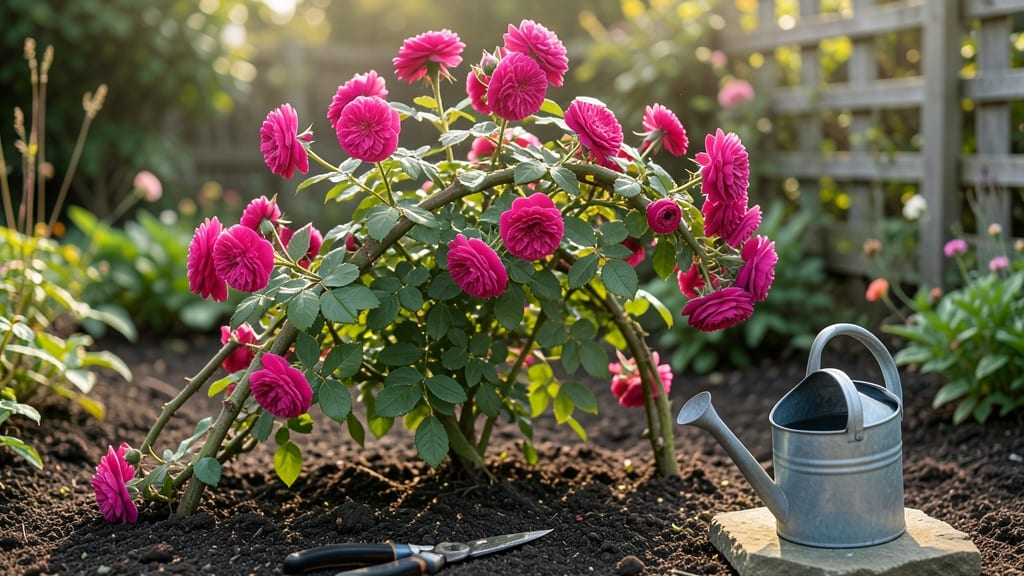
The Rose Jeanne Lajoie climbing rose delivers clouds of fragrant pink blooms with half the pruning work. 🌹 Honestly, this variety changed how I think about roses—it thrives on neglect yet rewards you with rich, spicy-sweet fragrance that lingers in the evening air.
Unlike fussy climbers, it blooms reliably from early summer through fall, even in partial shade, and its disease resistance means fewer headaches with black spot or powdery mildew.
This rose loves well-draining soil and morning sun, but it’s forgiving—it tolerates afternoon shade better than most climbers. Plant it near a trellis, fence, or pergola where its 4-6 foot vines can twine upward naturally (no harsh pruning needed).
The secret to its effortless beauty? Light pruning in late winter to shape growth and remove dead wood—no complex thinning or deadheading required.
By midsummer, you’ll be surrounded by lush, velvety blooms that attract bees and hummingbirds while filling your garden with that intoxicating rose perfume. The foliage stays disease-free with minimal fuss, and the plant keeps producing flowers until frost. Even my black thumb could grow this one—it’s that resilient.
Whether you’re a first-time rose grower or want a low-maintenance climber, Jeanne Lajoie delivers drama without the drama. The only real requirement? Space to climb and a little patience for its first season of establishing roots.
Trust me, once it’s happy, it’ll bloom for years with almost no effort from you.
📚 In This Guide
- What you need
- Instructions
- Tips and common mistakes
- Wrapping up and next steps
What you need
- ● Rose Jeanne Lajoie climbing rose: 1-2 bare-root or potted plants (check for healthy canes and buds).
- ● Well-draining soil: Mix of native soil, compost (50%), and perlite/sand (20%) for aeration.
- ● Organic mulch: 2-3 inches of shredded bark or wood chips to retain moisture.
- ● Balanced fertilizer: 10-10-10 or rose-specific fertilizer (follow package instructions for application).
- ● Support structure: A sturdy trellis, arbor, or fence (at least 6-8 feet tall).
- ● Pruning shears: Sharp, clean shears (sterilize with rubbing alcohol).
- ● Garden gloves: Heavy-duty to protect against thorns.
- ● Watering can or hose: With a gentle spray nozzle for hydration.
- ● Trowel or spade: For digging planting holes (12-18 inches deep).
- ● Rose food: Slow-release granules (e.g., Espoma Rose-Tone) for long-term nourishment.
- ● Epsom salt: 1 tablespoon per gallon of water (monthly spray for magnesium boost).
- ● Pest control: Neem oil or insecticidal soap (preventative measure for aphids/beetles).
- ○ Drip irrigation system: Optional but ideal for consistent moisture (especially in hot climates).
- ○ Pruning sealant: For larger cuts (optional; small cuts heal on their own).
Step-by-step guide to planting and caring for the climbing rose 'Jeanne Lajoie'
This fragrant pink climber thrives with just a few key steps—let's get it growing strong and blooming beautifully.
🪴 Step 1: Choose the Perfect Planting Location
The 'Jeanne Lajoie' loves full sun—at least 6 hours daily—but tolerates light shade in hotter climates. I always plant mine near a sturdy trellis, arbor, or fence where it can climb naturally. The roots need well-draining soil, so avoid low spots where water pools after rain.
Dig a hole twice as wide as the root ball but no deeper. This encourages roots to spread horizontally, which stabilizes the plant and supports vigorous growth. Amend heavy clay soil with compost to improve drainage—'Jeanne Lajoie' hates soggy roots.
🌱 Step 2: Plant with Proper Spacing and Support
Space plants 4-6 feet apart to allow air circulation, which prevents fungal diseases. The trellis or support should be installed before planting—this climbing rose can reach 8-10 feet if given the right structure. I use a 5-foot tall arbor for mine, which gives it room to sprawl beautifully.
Place the plant so the graft union (the swollen area near the base) sits 2-3 inches above soil level. This prevents it from being buried, which can cause rot. Backfill with native soil, tamping gently to remove air pockets. Water deeply right after planting to settle the soil around the roots.
☀️ Step 3: Water Deeply and Fertilize for Strong Growth
Water once a week for the first month, then taper to every 10-14 days once established—unless it's extremely hot or dry. You'll know it's time to water when the top 2 inches of soil feel dry. Overwatering is the fastest way to kill this rose, so let the soil dry slightly between waterings.
Feed with a balanced rose fertilizer (10-10-10) in early spring and again after the first flush of blooms. I skip fall fertilization—this rose blooms on old wood, and feeding late encourages tender growth that won't survive winter.
✂️ Step 4: Prune Only When Necessary for Health
The 'Jeanne Lajoie' is famously low-maintenance, but I still prune in late winter to remove dead, diseased, or crossing branches. Cut just above an outward-facing bud to encourage new growth. Never prune more than 1/3 of the plant at once—this rose blooms prolifically, and heavy pruning reduces flowers.
After blooming, I deadhead spent flowers to redirect energy to new buds. But unlike some roses, I never prune for shape—this climber grows naturally elegant. Just remove any suckers (shoots growing below the graft) immediately to keep energy in the main plant.
🌿 Step 5: Protect and Enjoy Year-Round
Mulch around the base with 2-3 inches of organic mulch (like shredded bark) to retain moisture and protect roots in winter. I leave the mulch in place year-round—it breaks down slowly and improves soil structure over time.
Watch for aphids or black spot early in the season. A strong spray of water usually removes aphids, and I treat black spot with neem oil if it appears. This rose is disease-resistant, but all roses need vigilance. The reward? Fragrant pink blooms from early summer until frost—with almost no effort.
Tips & tricks for perfect Jeanne Lajoie climbing rose care
Between us, the 'Jeanne Lajoie' is one of those roses that rewards patience with minimal fuss—but there are still a few game-changing details that separate a good plant from a spectacular one.
Sunlight Strategy: While the instructions mention full sun, I've found that in hotter climates, providing afternoon shade during peak summer months prevents leaf scorch while maintaining those fragrant blooms. The 6 hours of morning sun is non-negotiable, but that afternoon relief makes all the difference—especially in zones with intense afternoon heat. Think of it as giving your rose a midday siesta.
Root Ball Revelation: When planting, I learned the hard way that gently loosening the root ball before placing it in the hole encourages faster establishment. The roots spread more aggressively when they're not constrained, which means stronger growth from day one. Just be careful not to damage the roots—tease them apart gently rather than pulling them forcefully. This is where that twice-as-wide hole pays off.
Watering Wisdom: The instructions mention checking the top 2 inches of soil, but I've adopted a more precise approach: stick your finger about 4 inches down. The 'Jeanne Lajoie' has a surprisingly deep root system that stores moisture, so surface checking can lead to overwatering. This rose actually prefers to dry out slightly between waterings—it's more drought-tolerant than most people realize once established.
Pruning Precision: That 1/3 rule for pruning is critical, but here's what nobody tells you—the best time to prune is actually during the first week of spring when the buds are just starting to swell. This timing ensures you're cutting back old wood that's already served its purpose while leaving next year's blooms intact. I mark my calendar because I've seen too many roses get pruned too late, which can delay flowering.
Pro Tips for Rose Jeanne Lajoie
- Between us, the 'Jeanne Lajoie' is one of those roses that rewards patience with minimal fuss—but there are still a f...
- Sunlight Strategy: While the instructions mention full sun, I've found that in hotter climates, providing afternoon s...
- Root Ball Revelation: When planting, I learned the hard way that gently loosening the root ball before placing it in ...
Frequently asked questions
Got questions about the stunning Rose Jeanne Lajoie climbing rose? You’re not alone! Here are some of the most common queries—plus straightforward answers to help you grow this fragrant beauty with ease.
What makes Rose Jeanne Lajoie different from other climbing roses?
The Rose Jeanne Lajoie stands out for its vibrant pink blooms with a delicate, old-fashioned charm—often compared to cabbage roses. Unlike many modern climbers, it thrives with minimal pruning, blooms prolifically all season, and releases a sweet, intoxicating fragrance that’s perfect for gardens, trellises, or even as a hedge. Its disease resistance also means less fuss and more flowers!
How long does it take for Rose Jeanne Lajoie to bloom after planting?
Patience pays off! While some roses bloom the first year, Jeanne Lajoie typically takes 12–18 months to establish strong roots and produce its first flush of flowers. Plant in spring or early fall, keep the soil moist, and expect full blooms by the second summer. A little extra care early on ensures a showstopping display for years to come.
Do I really need to prune Rose Jeanne Lajoie? If so, when and how?
One of its biggest perks? Light pruning is enough! Trim dead or crossing branches in late winter or early spring (before new growth starts). For shape, lightly cut back 1/3 of the oldest canes to encourage fresh blooms. Avoid heavy pruning—this rose hates being over-pruned and may skip flowering. Think of it as a low-maintenance diva!
Can Rose Jeanne Lajoie grow in containers or small spaces?
While it’s a vigorous climber, it adapts well to large containers (20+ gallons) with good drainage. Choose a trellis, arbor, or sturdy post for support, and ensure the pot gets 6+ hours of sunlight daily. Just remember: Container-grown roses need regular watering (especially in heat) and annual fertilizer to keep blooms abundant.
Are there any pests or diseases I should watch for with this rose?
While Jeanne Lajoie is disease-resistant, it’s not invincible! Keep an eye out for aphids, spider mites, or black spot fungus (especially in humid climates). Preventative care helps: Spray with neem oil for pests, avoid overhead watering, and prune for airflow. If leaves yellow or spots appear, remove affected foliage and treat with a fungicide if needed.
What’s the best companion plant for Rose Jeanne Lajoie?
Pair it with complementary colors and textures! Try lavender (purple contrast), salvia (blue-green foliage), or catmint (drought-tolerant) to highlight its pink blooms. For height, plant near hydrangeas or clematis—just ensure they don’t compete for sunlight. A low-growing ground cover like ajuga also helps suppress weeds and retain moisture.
Wrapping up and next steps
Rose Jeanne Lajoie isn’t just a stunning addition to your garden—it’s a fragrant, low-maintenance dream that rewards patience with breathtaking pink blooms. Whether you’re a seasoned gardener or just starting, this climbing rose proves that beauty and ease can go hand in hand. 🌸
Ready to transform your outdoor space? Start by gathering your supplies, then plant with confidence—your future blooms will thank you! For extra inspiration, explore local rose societies or join gardening forums to share your progress and learn from others.