
Shrubs
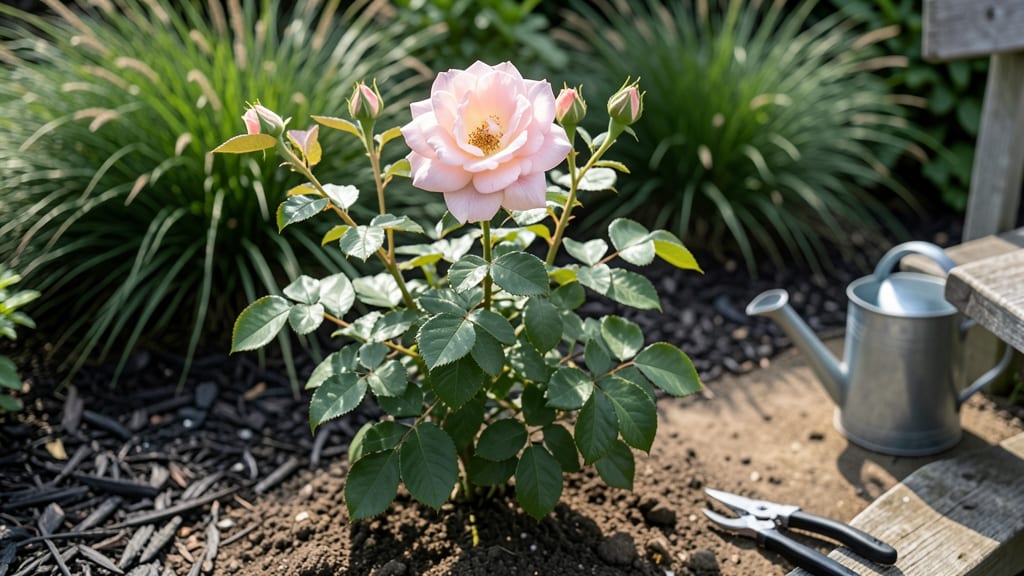
Growing the Pieris japonica 'Valley Rose' means adding a fragrant, evergreen showstopper that thrives where others fail. 🌿 This shade-loving shrub delivers delicate pink blooms in early spring—right when your garden needs color—then keeps its glossy foliage all year.
I’ve watched mine push through snow to reveal fresh growth, proving its winter resilience isn’t just a claim. The secret to its success? Well-draining, acidic soil and morning sun with afternoon shade. Too much direct light scorches its leaves, while too little shade dulls its signature gloss.
Water consistently but avoid soggy roots—this shrub hates wet feet. Prune after flowering to shape it without sacrificing next year’s blooms, and you’ll have a hedge or accent plant that outshines anything from a big-box store.
What makes Valley Rose special is how it transforms dull corners of your garden into a fragrant, evergreen focal point. The foliage stays vibrant even in winter, and those early spring blooms attract pollinators before most plants even think about waking up.
Plus, it’s one of the few shrubs that handles shade beautifully—perfect for under trees or along north-facing walls.
For propagation, layering in early summer works best—simply bend a low branch to the ground, weigh it down, and let roots form before separating it. Common challenges? Overwatering (yellow leaves) or alkaline soil (pale foliage).
Amend your soil with peat moss or pine needles to keep it acidic, and you’ll avoid both. With proper care, this shrub rewards you with decades of low-maintenance beauty.
Once established, Valley Rose becomes a garden workhorse—drought-tolerant, disease-resistant, and deer-proof. It’s the kind of plant that makes neighbors ask, “What’s that?” and then wish they had one too. Start with one, and you’ll be hooked on its effortless elegance.
📚 In This Guide
- What you need
- Instructions
- Tips and common mistakes
- Wrapping up and next steps
What you need
- ● Pieris japonica 'Valley Rose' plant: 1 nursery-grown shrub (3-5 gallons in size for best establishment).
- ● Planting site: Well-draining, acidic soil (pH 4.5–6.0). Test soil pH with a soil test kit if unsure.
- ● Partial to full shade (dappled sunlight ideal). Avoid harsh afternoon sun.
- ● Organic mulch: 2–3 inches of pine bark, pine needles, or shredded leaves to retain moisture and acidify soil.
- ● Slow-release fertilizer: Acid-loving plant fertilizer (e.g., 8-3-9 or 10-10-10 with micronutrients).
- ● Watering can or hose with nozzle: For gentle, deep watering (avoid overhead sprinklers to prevent fungal issues).
- ● Pruning shears: Bypass pruners (sharp, clean, and sanitized with rubbing alcohol).
- ● Gloves: Heavy-duty gardening gloves to protect hands from thorns and soil.
- ● Soil amendments: Peat moss or sulfur to adjust soil acidity if needed.
- ● Mulch rings or landscape fabric: To keep mulch in place and suppress weeds.
- ● Plant support: Stakes or a small cage (for young shrubs in windy areas).
- ● Fungicide spray: Copper-based or neem oil (preventative measure for powdery mildew).
- ● Garden journal: To track growth, blooms, and care notes!
Step-by-Step guide to planting and caring for Pieris japonica 'Valley Rose'
This fragrant evergreen thrives with the right placement and care—here's how to get it established beautifully.
🌱 Step 1: Select the Perfect Planting Location
Pieris japonica 'Valley Rose' loves shade to partial sun, making it ideal for understory planting or woodland garden edges. Choose a spot with morning sun and afternoon shade—this prevents leaf scorch while maintaining enough light for vibrant blooms. The shrub tolerates USDA zones 6-9, so check your hardiness zone before planting.
Test the soil pH—this plant prefers acidic soil (pH 5.0-6.0). If your soil is alkaline, amend with sulfur or peat moss before planting. The roots will spread 3-4 feet wide, so space multiple plants 6-8 feet apart to allow for mature growth without overcrowding.
🪴 Step 2: Dig and Prepare the Planting Hole
Dig a hole twice as wide as the root ball but only as deep as the container's base. Loosen the sides of the hole with a shovel to encourage root penetration into surrounding soil. If your soil is heavy clay, mix in 2-3 inches of organic matter (like compost or leaf mold) to improve drainage.
Gently remove the plant from its container and inspect the roots. If they're circling or tightly bound, use your fingers to tease them outward. Place the shrub in the hole so the top of the root ball sits level with the surrounding soil—burying too deep can suffocate the plant, while planting too high risks poor stability.
💧 Step 3: Plant and Water Thoroughly
Backfill the hole with native soil, pressing lightly to remove air pockets but avoiding compaction. Water deeply to settle the soil around the roots, then add 1-2 inches of mulch (pine bark or shredded leaves work best) to retain moisture and regulate soil temperature. Keep mulch 2-3 inches away from the stem to prevent rot.
After planting, water once daily for the first week to help roots establish. You'll know it's settled when the soil holds moisture but doesn't feel waterlogged. Avoid overhead watering—pieris japonica is susceptible to fungal issues, so water at the base instead.
☀️ Step 4: Provide Ongoing Care for Healthy Growth
Fertilize lightly in early spring with an acid-loving plant fertilizer (like a 10-10-10 formula) to encourage new growth. Avoid high-nitrogen fertilizers—they promote leafy growth at the expense of flowers. Prune immediately after blooming to shape the shrub and remove any dead or crossing branches.
Watch for aphids or spider mites, which can infest the delicate new growth. A strong spray of water usually dislodges them, but severe infestations may require neem oil or insecticidal soap. The 'Valley Rose' variety is prized for its fragrant white blooms in early spring, so protect it from late frosts that might damage the flowers before they open.
⏰ Step 5: Monitor for Seasonal Adjustments
In winter, pieris japonica remains evergreen but may develop brown tips if exposed to drying winds. Apply additional mulch in late fall to protect roots from temperature fluctuations. If your winters are harsh (below 0°F), consider wrapping young plants with burlap for extra insulation.
By late summer, you'll notice new growth at the tips—this is when the plant prepares for next year's blooms. Reduce watering slightly at this stage to harden off the growth, but keep the soil moist. With proper care, your 'Valley Rose' will reward you with decades of fragrant blooms and lush foliage.
Tips & tricks for perfect Pieris japonica 'Valley Rose' planting
A few key insights will help you avoid common pitfalls and ensure your fragrant evergreen thrives for decades.
Location Insight: When selecting your planting spot in Step 1, pay special attention to the morning sun/afternoon shade balance. I've noticed that southern exposures with afternoon shade (like under a deciduous tree) create the perfect microclimate—enough light for blooms but protection from intense afternoon rays that cause leaf scorch. If your yard lacks natural shade, consider planting near a north-facing wall or using shade cloth during peak summer hours.
Root Preparation Technique: In Step 2, don't overlook the root inspection—this is where many planting failures begin. I've seen gardeners skip this step and end up with circling roots that strangle themselves. Use your fingers to gently separate any bound roots, even if they seem well-established. For container-grown plants, I recommend soaking the root ball in water for 10-15 minutes before planting to reduce transplant shock.
Mulching Strategy: The 1-2 inches of mulch mentioned in Step 3 deserves special attention. I recommend using pine bark or shredded leaves specifically because they slowly release acidity as they decompose, which perfectly matches your 'Valley Rose's' soil preferences. Apply mulch in two stages: first immediately after planting, then add another 1-inch layer in late fall to protect against winter temperature swings.
Seasonal Care Calendar: Mark your calendar for these critical points: early spring fertilization (Step 4), post-bloom pruning (Step 4), late fall mulch top-up (Step 5), and late summer water adjustment (Step 5). I've found that gardeners who miss the early spring feeding often see reduced bloom quantity, while those who prune too late risk cutting off next year's flower buds.
Pro Tips for Pieris Japonica Valley Rose
- A few key insights will help you avoid common pitfalls and ensure your fragrant evergreen thrives for decades.
- Location Insight: When selecting your planting spot in Step 1, pay special attention to the morning sun/afternoon shade balance.
- Root Preparation Technique: In Step 2, don't overlook the root inspection—this is where many planting failures begin.
Frequently asked questions
Got questions about growing and caring for Pieris japonica "Valley Rose"? You’re not alone! Here are some of the most common queries—and their straightforward answers—to help you nurture this stunning evergreen shrub with ease.
What’s the best time to plant Pieris japonica "Valley Rose"?
Plant your "Valley Rose" in early spring or fall when temperatures are mild. Avoid extreme heat or frost, as these can stress the roots. Choose a spot with partial shade (especially in hotter climates) and well-draining soil. Pro tip: Water thoroughly after planting to settle the soil and reduce transplant shock!
Is Pieris japonica truly winter-hardy? How do I protect it in cold climates?
Yes! "Valley Rose" is USDA Zones 5-8 hardy, but young plants or harsh winters may need extra care. Mulch around the base with 3-4 inches of organic mulch (like pine straw or shredded bark) to insulate roots. Avoid heavy snow buildup on branches—gently brush it off to prevent breakage.
Why aren’t my Pieris japonica flowers opening, or they’re sparse?
Sparse blooms often stem from over-fertilizing with high-nitrogen feeds (which encourages foliage over flowers) or poor light. Prune lightly after flowering to shape the shrub, and ensure it gets morning sun + afternoon shade. If buds form but don’t open, check for bud blast (a fungal issue)—remove affected buds and improve air circulation.
Are there pests or diseases I should watch for with Pieris japonica?
Keep an eye out for lace bugs (tiny yellow pests on undersides of leaves) and aphids. Treat with neem oil or insecticidal soap. Fungal issues like powdery mildew can occur in humid conditions—prune for airflow and avoid overhead watering. Pro tip: Healthy plants are resilient, so focus on well-draining soil and proper spacing!
Can I grow Pieris japonica in containers? What’s the best pot size?
"Valley Rose" thrives in containers with at least 18-24 inches in diameter and drainage holes. Use a well-draining potting mix (like a 50/50 blend of peat moss and perlite) and repot every 2-3 years. Place the pot in a protected outdoor spot during winter if temperatures dip below 10°F.
Wrapping up and next steps
The Pieris japonica 'Valley Rose' is a stunning, low-maintenance evergreen shrub that brings year-round beauty to your garden with its fragrant blooms, glossy foliage, and winter hardiness.
Whether you’re drawn to its delicate pink flowers or its resilience in colder climates, this shrub is a fantastic addition for both beginners and experienced gardeners alike.
Ready to transform your outdoor space? Start by selecting the perfect spot—one with partial shade and well-draining soil—and plant your 'Valley Rose' to enjoy its elegance for seasons to come! 🌸✨