
Pests and Diseases
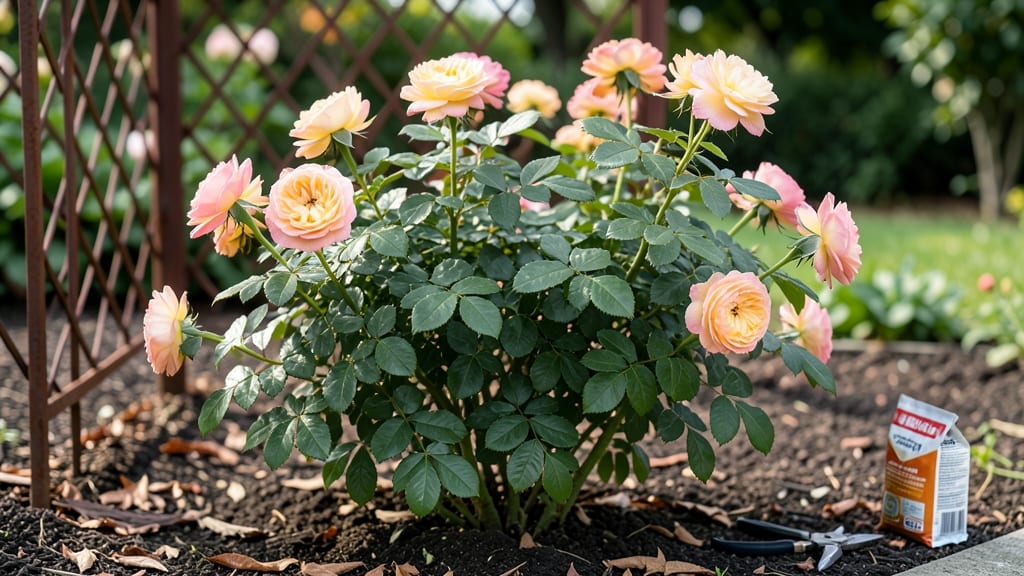
A pink and yellow rose bush brings sunshine to any garden, blending soft romance with bold energy in every bloom. 🌸 I’ve watched these roses transform dull corners into vibrant focal points—whether climbing a trellis or spilling over a border, they never fail to draw the eye.
Their layered petals create depth, while the color contrast makes them stand out against greenery or other flowers.
Pair them with lavender for a cottage-garden feel or mix in purple salvia for a modern twist. In borders, they anchor the design while trailing plants like clematis or ivy soften the edges.
For climbing structures, their long canes create dramatic vertical interest, perfect for arbors or pergolas where they’ll weave their way into living art.
Beyond beauty, these roses carry meaning—pink symbolizes gratitude, yellow represents friendship, and together they evoke joy and celebration. Plant them near seating areas to enjoy their fragrance up close or use them as a centerpiece in seasonal arrangements.
The possibilities are endless for gardens that feel both timeless and full of life.
Whether you’re designing a formal garden or a wildflower meadow, pink and yellow roses adapt beautifully. Their resilience and repeat blooms mean they’ll keep surprising you season after season—just like the first time you saw them burst into color. Let’s make your garden their perfect home.
Behind The Color Shifts
If your once-vibrant pink and yellow rose bush is showing unexpected color changes—like fading blooms, streaks of green, or patches of white—don’t panic. These shifts often stem from a mix of environmental stressors, biological quirks, and even human habits.
Understanding the root causes helps you take precise action to restore your roses’ natural beauty. Let’s break down why this happens and how to address it.
Some rose bushes, especially hybrids or grafted varieties, can produce unexpected color mutations due to their genetic makeup. Here’s why:
- Chimera Effect: Roses with chimera cells (a mix of different cell types) may display sectored blooms—where one flower has pink edges and yellow centers, or vice versa. This isn’t a disease but a natural genetic trait. Pro tip: If this is consistent, your rose may be a variegated or sport mutation of its parent plant, and it’s harmless!
- Grafting Issues: If your rose bush was grafted (a common practice to combine disease-resistant roots with desirable top growth), the scion (top part) can sometimes revert to its original color if the graft union weakens. This often shows as green streaks or white blooms where the graft failed.
- Pollination Mix-Ups: Cross-pollination between roses can lead to offspring with blended colors (e.g., a pink-and-yellow striped bloom). While this doesn’t harm the plant, it can create a wild, unpredictable look if multiple varieties grow nearby.
Actionable Fix: If you love the new colors, let them be! If not, prune back any revertant growth (unwanted color shifts) to encourage the original blooms. For grafted roses, inspect the graft union (the bump near the base) for signs of stress or disease.
Roses are sensitive to their growing conditions, and extreme heat, cold, or light fluctuations can trigger color changes. Here’s how:
| Stressor | Effect on Blooms | Why It Happens |
|---|---|---|
| ❄️ Frost or Cold Snaps | White, pale pink, or bleached blooms | Cold disrupts anthocyanin production (the pigment responsible for red/pink hues), leaving flowers looking washed out or green-tinged. |
| 🔥 Intense Heat Waves | Yellowing edges, premature browning, or dull colors | Heat stress causes oxidation of pigments, breaking down vibrant colors faster. It also speeds up blooming, leading to smaller, less saturated flowers. |
| ☀️ Too Much Direct Sun | Greenish-yellow blooms or sun scorch marks | Excessive UV exposure can bleach petals and cause chlorophyll buildup (the green pigment in leaves), giving flowers a yellow-green tint. |
| 🌑 Inconsistent Light | Striped or uneven coloring in petals | Shady spots on the bush receive less light, leading to partial pigment loss—think half-pink, half-yellow blooms. |
Actionable Fix:
- 🌿 Provide afternoon shade during heatwaves (use shade cloth or plant near a lattice).
- ❄️ Mulch heavily in winter to protect roots and blooms from frost.
- 🌞 Ensure 6+ hours of sunlight but avoid south-facing walls in hot climates.
Certain pests and pathogens don’t just damage leaves—they alter flower coloration by interfering with the plant’s ability to produce or distribute pigments. Here’s what to watch for:
- Powdery Mildew (🍄)
- Causes white or grayish blooms due to fungal growth on petals.
- Blocks sunlight and nutrients, leading to dull, weak colors.
- Spider Mites (🕷️)
- Their feeding stunts pigment production, resulting in yellowing or brownish blooms.
- Severe infestations can cause premature petal drop, leaving only green buds.
- Rose Rosette Virus (🦠)
- Causes distorted, striped, or multicolored blooms (e.g., pink with green streaks).
- Leads to excessive thorns and witch’s broom growth (dense, tangled branches).
- Black Spot (🍂)
- Fungal spots on leaves reduce chlorophyll, leading to pale or yellowish blooms.
- Severe cases cause premature leaf drop, starving flowers of nutrients.
Actionable Fix:
- 💡 Inspect blooms and leaves weekly for powdery residue, webs, or spots.
- 🚿 Spray with neem oil or fungicide (like copper-based sprays) at the first sign of mildew or spots.
- 🔥 Remove and destroy infected growth immediately to prevent spread.
- 🛡️ Encourage beneficial insects (ladybugs, lacewings) to control mites naturally.
Roses thrive on a balance of water and nutrients, and disruptions here can lead to color fading, streaking, or even white blooms. Here’s how:
- Overwatering or Poor Drainage
- Leads to root rot, which starves the plant of nutrients needed for pigment production.
- Causes pale, weak blooms with greenish hues.
- Underwatering
- Stresses the plant, leading to small, dull flowers with yellowing edges.
- Can cause bud
Revive Your Rose Bush Naturally
Reviving a struggling pink and yellow rose bush—whether it’s battling pests, diseases, or environmental stress—starts with identifying the root cause and taking swift, targeted action. Below, we break down practical, step-by-step solutions for common issues, paired with prevention tips to keep your blooms thriving year-round.
Pests like aphids, spider mites, or Japanese beetles can drain your rose bush’s vitality, leaving behind chewed leaves, sticky residue, or skeletal stems.
🔥 How to Treat Pest Infestations
- Spot and Squash Early
- Inspect leaves and stems daily, especially under foliage where pests hide. 👀
- Handpick large pests (like Japanese beetles) and drop them in soapy water.
- Neem Oil Spray (Best for Aphids & Mites)
- Mix 1 tsp neem oil + 1 tsp mild soap + 1 quart water in a spray bottle.
- Apply early morning or late evening (avoid direct sun) and reapply every 5–7 days.
- Why it works: Disrupts pests’ life cycles without harming beneficial insects.
- Horticultural Oil for Stubborn Bugs
- Use dormant oil (safe for winter) or summer oil for active pests.
- Spray thoroughly, covering all surfaces, including the undersides of leaves.
- Pro tip: 🌡️ Apply when temps are above 50°F to avoid plant damage.
- Beneficial Insects as Allies
- Introduce ladybugs, lacewings, or praying mantises to your garden. They feast on pests naturally!
- Where to buy: Local nurseries or online (check for region-specific species).
🛡️ Prevention Tips
- Mulch wisely: Use wood chips or straw (3–4 inches deep) to deter crawling pests.
- Prune strategically: Remove dead or crowded branches to improve airflow and reduce hiding spots.
- Avoid over-fertilizing: Too much nitrogen attracts soft-bodied pests like aphids.
Overwatering, poor drainage, or humidity can invite black spot, powdery mildew, or rust, causing yellowing leaves, black spots, or white fuzzy coatings.
🍳 How to Treat Fungal Infections
- Prune Infected Areas Immediately
- Cut off spotted or mildewed leaves/stems with sterilized pruners (wipe with rubbing alcohol between cuts).
- Dispose of clippings in the trash (not compost)—fungi can survive and reinfect.
- Fungicide Sprays (Organic & Chemical Options) - Baking soda spray: Mix 1 tsp baking soda + 1 tbsp oil + 1 tsp soap + 1 gallon water.
Spray weekly. - Copper fungicide: Follow label instructions for severe cases (e.g., copper sulfate). - Best time to apply: Early morning so the solution dries before evening moisture sets in.
- Improve Air Circulation
- Space plants 3–4 feet apart to reduce humidity around foliage.
- Thin out dense growth to let sunlight and air reach the center.
- Adjust Watering Habits
- Water at the base (not overhead) to keep leaves dry.
- Morning watering prevents fungal spores from spreading overnight.
💡 Prevention Tips
- Water deeply but less often: Aim for 1–1.5 inches per week (check soil moisture with your finger).
- Choose resistant varieties: Look for disease-resistant rose bushes (e.g., ‘Knock Out’ roses).
- Clean up debris: Remove fallen leaves and mulch around the base to eliminate fungal spores.
Extreme temperatures, compacted soil, or nutrient deficiencies can stunt growth, cause leaf scorch, or prevent blooming.
👨🍳 How to Fix Soil & Climate Issues
- Test and Amend Soil
- Conduct a soil test (kits available at garden centers) to check pH (6.0–6.5 ideal for roses) and nutrient levels.
- Amend with compost (2–3 inches mixed into top 6 inches of soil) for organic matter.
- Quick fix: Add aged manure or worm castings for a nutrient boost.
- Mulch for Temperature Control
- Apply 3–4 inches of mulch (wood chips, pine straw) to:
- Insulate roots in winter.
- Retain moisture in summer.
- Avoid fresh mulch: It can draw nitrogen away from your roses.
- Apply 3–4 inches of mulch (wood chips, pine straw) to:
- Protect from Extreme Heat
- Provide afternoon shade with a lightweight shade cloth (30–50% coverage) during peak summer.
- Mist leaves in extreme heat (early morning only) to reduce stress.
- Fertilize for Continuous Blooms
- Use a balanced rose fertilizer (e.g., 10-10-10 or organic options like fish emulsion).
- Feed every 4–6 weeks during growing season (spring–fall).
- Avoid high-nitrogen fertilizers: They promote leafy growth over flowers.
✨ Prevention Tips
- Plant in well-draining soil: Roses hate soggy roots—amend clay soil with sand or perlite.
- Group roses with complementary plants: Lavender or garlic can deter pests and improve soil health.
- Monitor weather alerts: Cover young roses with frost cloth if frost is forecasted.
- Rotate treatments: Pests and diseases build resistance—switch between neem oil, insecticidal soap, and beneficial insects.
- Keep tools clean: Sterilize pruners and shears with rubbing alcohol to prevent spreading diseases.
- Observe your rose bush: Note patterns (e.g., "yellow leaves after rain = fungal issue") to act faster next time.
With these targeted fixes, your pink and yellow rose bush will bounce back stronger—ready to dazzle with nonstop blooms all season long! 🌸💐
Frequently asked questions
How do I choose the best location for a pink and yellow rose bush?
Plant your rose bush in a spot with at least 6 hours of sunlight daily, but avoid harsh afternoon sun in hot climates. A location with morning sun and afternoon shade (like near a lattice or tree) preserves vibrant colors. Ensure well-draining soil—roses hate soggy roots—by amending clay soil with compost or sand.
Can I mix pink and yellow roses in the same garden bed?
Their contrasting hues create stunning visual impact. Pair them with lavender or purple salvia for a soft, romantic look, or add silver foliage plants (like lamb’s ear) to make the colors pop. Just space them 3–4 feet apart to prevent overcrowding and improve airflow.
Why are my pink and yellow roses blooming less than expected?
Over-fertilizing with nitrogen (leafy growth) or underwatering can reduce blooms. Use a balanced rose fertilizer (like 10-10-10) every 4–6 weeks in spring/fall, and water deeply 1–1.5 inches per week. Deadhead spent blooms to encourage new flowers and prune in late winter to shape the bush.
What’s the best way to train a pink and yellow rose bush to climb?
Select a trellis, arbor, or pergola and tie the main canes to the structure with soft plant ties or twine. Prune side shoots to 3–4 buds to encourage upward growth. For a lush look, weave branches through the lattice and trim back any overcrowded stems to improve airflow and sunlight penetration.
Are pink and yellow roses fragrant?
Many varieties are lightly fragrant, but the scent varies by type. For stronger fragrance, choose hybrid teas or old garden roses (like ‘Iceberg’ or ‘New Dawn’). Plant them near seating areas or pathways to enjoy their sweet, floral aroma up close. Avoid spraying pesticides near blooms to preserve fragrance.