
Flowers
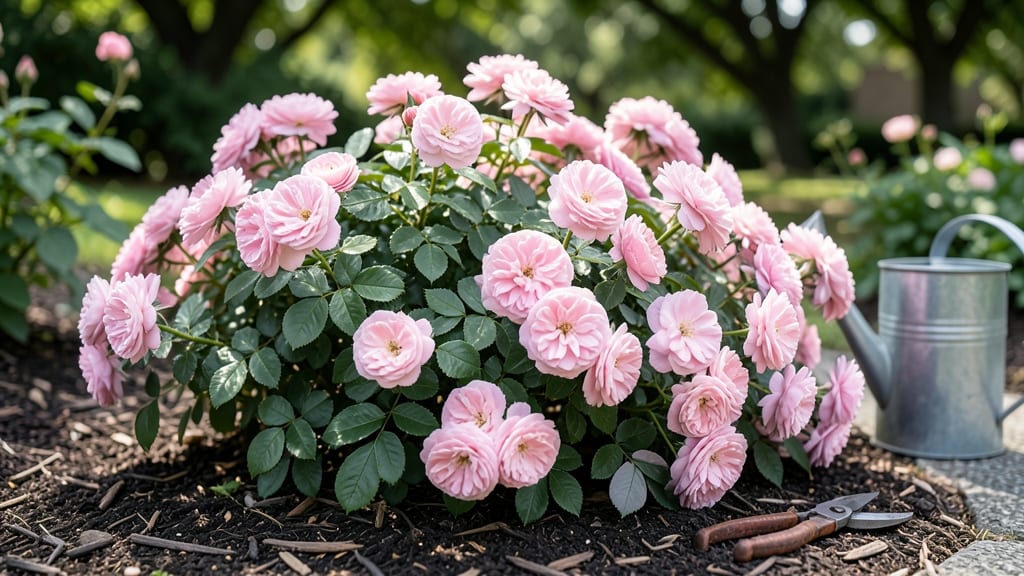
Pink carpet roses turn bare ground into a dramatic sea of blush-pink blooms that never quit—even when summer bakes the landscape. 🌸 I first saw them sprawling under a mature oak, their low-growing habit creating a lush carpet that outshone any lawn, and I knew they belonged in every heat-tolerant garden.
These roses aren’t just pretty; they’re the ultimate low-maintenance star for borders, slopes, or shady spots where other plants struggle.
Their secret weapon? Heat resistance and relentless blooming from spring through fall, with minimal fuss. Plant them 18-24 inches apart to let their vines spread naturally, and they’ll fill gaps faster than weeds.
Pair them with lavender for contrast or salvia for texture—both thrive in the same sunny spots and keep pests at bay. The best part? They stay tidy without pruning, making them perfect for formal gardens or cottage-style charm.
Imagine stepping onto a velvety pink path in July, the air thick with their sweet fragrance, or using them to soften a rocky slope where nothing else survives. They handle drought once established and bounce back from foot traffic, so they’re ideal for high-traffic areas too.
The key is location: full sun for the boldest blooms, but they’ll tolerate partial shade if the soil stays moist.
For a showstopping effect, layer them with creeping thyme or ajuga for a multi-level carpet that stays green year-round. In formal gardens, keep edges neat with occasional trimming; in cottage gardens, let them go wild. Either way, you’ll have a living rug that outlasts any synthetic alternative—and looks better too.
📚 In This Guide
- What you need
- Instructions
- Tips and common mistakes
- Wrapping up and next steps
What you need
- ● Pink Carpet Rose Plants: 3–5 bare-root plants or container-grown roses (depending on desired coverage). Look for Rosa ‘Pink Carpet’ or similar hybrid tea roses bred for ground cover.
- ● Ensure plants are disease-resistant (e.g., black spot-free) for long-term health.
- ● Well-Draining Soil: Test soil pH (ideal: 6.0–6.5). Amend with compost or organic matter if soil is clay-heavy or sandy.
- ● 1–2 cubic yards of high-quality garden soil or potting mix (for in-ground or raised beds).
- ● Fertilizer: Balanced rose fertilizer (e.g., 10-10-10 or 5-10-5) for planting. Apply 2–3 tablespoons per plant mixed into the soil.
- ● Slow-release granules (e.g., Osmocote) for ongoing nutrition (1 cup per 10 sq ft).
- ● Mulch: 2–3 inches of organic mulch (e.g., shredded bark, pine straw, or compost) to retain moisture and regulate temperature.
- ● Garden Tools: Trowel or hand shovel
- ● Pruning shears (sterilized with rubbing alcohol)
- ● Garden gloves (to protect from thorns!)
- ● Watering can or hose with a gentle spray nozzle
- ● Location: Full sun (6+ hours of direct sunlight daily) for optimal blooms.
- ● Sheltered from strong winds (to prevent stress on delicate canes).
- ○ Watering System (Optional but Helpful): Drip irrigation or soaker hose to deliver 1–1.5 inches of water per week (adjust for heatwaves).
- ● Pest Control (Preventative): Neem oil spray (1–2 tablespoons per gallon of water) for aphids or spider mites.
- ● Copper fungicide (e.g., Bordeaux mixture) to prevent fungal diseases in humid climates.
How to plant and maintain pink carpet roses for year-round color
Here’s how I transform sun-drenched spaces into lush, low-maintenance rose displays that bloom nonstop.
🌱 Step 1: Choose the Perfect Planting Site
Pink Carpet Roses demand full sun exposure (6-8 hours daily)—no compromise here. I always scout the location first, checking for afternoon shade that could weaken blooms. The ideal spot gets morning sun and afternoon light without harsh midday glare. Test your site for 6+ hours of direct sunlight before planting.
Soil must drain like a dream—these roses hate soggy roots. Amend heavy clay with 2-3 inches of compost mixed into the top 12 inches of soil. I dig a hole twice as wide as the root ball but only as deep as the container’s base. Loosen the roots slightly if they’re circling the pot—this prevents girdling as they establish.
☀️ Step 2: Plant at the Right Depth and Stagger for Continuous Bloom
Position the rose so the graft union sits 2-3 inches above soil level. This prevents soil from smothering the graft and ensures strong regrowth. I plant mine in staggered rows, spacing them 18-24 inches apart—close enough to create that signature carpet effect but far enough to allow airflow and reduce disease.
Fill the hole with native soil, firming gently around the roots to eliminate air pockets. Water deeply right after planting to settle the soil and encourage root contact. The first flush of blooms will arrive in 8-12 weeks, but patience here pays off with thicker, more vibrant growth.
💧 Step 3: Water Deeply and Mulch for Heat Resistance
These roses thrive in heat but need 1-2 inches of water weekly during dry spells. I water at the base in the morning to reduce evaporation and fungal risks. Let the top 2 inches of soil dry between waterings—overwatering leads to root rot, which is a silent killer.
Apply a 3-inch layer of mulch (like pine bark or shredded leaves) around the plants, keeping it 6 inches away from the stem. This locks in moisture, regulates soil temperature, and suppresses weeds. Replenish mulch annually to maintain its insulating properties—especially critical in summer’s peak heat.
✂️ Step 4: Prune for Bushier Growth and Season-Long Blooms
Prune in early spring and again after each major bloom cycle. I cut back one-third of the oldest canes to encourage new growth, while trimming spent blooms just above a set of five leaves. This technique stimulates continuous flowering—no long gaps between blooms.
Remove any suckers (shoots growing below the graft union) immediately. These sap energy from the plant and weaken the desired variety. A sharp pair of pruners and a clean cut at a 45-degree angle keeps the plant healthy and looking its best. Deadhead faded blooms weekly to redirect the plant’s energy into fresh flowers.
🌿 Step 5: Fertilize Strategically for Heat Tolerance
Use a balanced, slow-release fertilizer (10-10-10) in early spring, then switch to a low-nitrogen, high-phosphorus formula (5-10-10) when blooming begins. This promotes vibrant flowers over lush foliage. I fertilize every 6-8 weeks during the growing season, always watering before and after to prevent root burn.
In late summer, reduce feeding to let the plant harden off for winter. Pink Carpet Roses are surprisingly cold-hardy, but a light layer of mulch over the roots in winter protects them from freeze-thaw cycles. With this care, they’ll reward you with year-round color and minimal fuss.
Tips & tricks for perfect pink carpet roses
These game-changing insights will help you create a thriving, vibrant rose display that outshines every neighbor's garden.
Sunlight Strategy: The 6-8 hours of daily sunlight is non-negotiable, but here's what nobody tells you—morning sun is your best friend. Position your roses to catch those first rays of sunlight, which helps dry dew quickly and reduces fungal risks. I've seen roses planted in full afternoon sun struggle with heat stress, even when they get the required hours. If your location has intense afternoon glare, consider providing some afternoon shade during peak summer months.
Root Ball Rescue: Before planting, give those circling roots a gentle massage—literally! Use your fingers to loosen any roots that are tightly wrapped around the container. This simple step prevents girdling, where roots strangle themselves as they grow. I've seen plants fail to thrive for years because of this single oversight. The wider you can spread those roots initially, the faster they'll establish and start blooming.
Watering Wisdom: That 1-2 inches of weekly water might seem straightforward, but timing matters just as much. I water my roses at the base in the early morning when temperatures are cooler. This gives the water time to soak in before the heat of the day causes evaporation. Pro tip: Use a rain gauge or tuna can to measure your water—you'll be amazed how much we often overestimate or underestimate our watering amounts.
Pruning Precision: When you're cutting back those oldest canes in Step 4, aim for a clean cut just above an outward-facing bud. This encourages growth in directions that won't crowd your plant. I use a sharp pair of pruners and always make my cuts at a 45-degree angle—this helps water run off rather than pool at the cut site. And here's a secret: The five-leaf rule isn't just about counting—it's about finding the strongest, healthiest leaves to leave behind for new growth.
Pro Tips for Pink Carpet Roses
- These game-changing insights will help you create a thriving, vibrant rose display that outshines every neighbor's garden.
- Sunlight Strategy: The 6-8 hours of daily sunlight is non-negotiable, but here's what nobody tells you—morning sun is your best friend.
- Root Ball Rescue: Before planting, give those circling roots a gentle massage—literally!
Frequently asked questions
Got questions about growing pink carpet roses? You’re not alone! These stunning ground covers are a favorite, but they do come with some unique care needs. Below, we’ve answered the most common questions to help you grow a lush, heat-resistant carpet of pink blooms.
What’s the best time to plant pink carpet roses?
Plant them in early spring (after the last frost) or early fall for the best root establishment. Avoid extreme heat—roots need time to settle before summer’s intensity. If you’re in a mild climate, late fall can also work, but give them a few weeks to acclimate before winter chills arrive.
How often should I water pink carpet roses?
Water deeply 2-3 times per week during the first year to encourage strong root growth. Once established, they’re drought-tolerant but still need 1 inch of water weekly in dry spells. Pro tip: Water at the base (not overhead) to prevent fungal issues and keep those petals dry!
Do pink carpet roses need pruning? If so, when?
Yes! Prune in late winter or early spring before new growth starts. Cut back 1/3 of the plant to encourage bushiness and airflow. Deadhead spent blooms throughout the season to prolong flowering. Warning: Avoid heavy pruning in summer—it can stress the plant during heatwaves.
Are pink carpet roses really heat-tolerant? What if my area gets too hot?
They’re one of the toughest ground covers for heat and humidity, thriving in zones 5-10. In extreme heat (over 100°F), provide afternoon shade temporarily and mulch heavily to retain moisture. If leaves scorch, trim damaged parts and keep watering consistently.
What’s a good alternative if pink carpet roses don’t thrive in my climate?
Try these heat-loving ground covers:
- Creeping Phlox – Drought-tolerant, blooms early spring
- Ice Plant (Delosperma) – Succulent-like, thrives in poor soil
- Dwarf Mondo Grass – Low-maintenance, evergreen option
- Lantana – Bright flowers, attracts pollinators
For a rose-like look, consider creeping rosemary or dwarf hybrid teas bred for ground cover.
Wrapping up and next steps
Pink carpet roses are the ultimate choice for adding a burst of color and elegance to your landscape—especially in hot climates! 🌸 Their heat tolerance, low-maintenance charm, and stunning ground-cover appeal make them a winner for both beginners and seasoned gardeners. Whether you're transforming a sunny patio, lining a walkway, or filling a large garden bed, these roses deliver drama with minimal fuss.
Ready to elevate your outdoor space? Start by selecting the perfect variety for your climate, then gather your supplies and follow the simple planting steps. With a little care, you’ll enjoy a lush, fragrant carpet of pink blooms that turns heads—and keeps thriving under the sun! 🌞