
Flowers
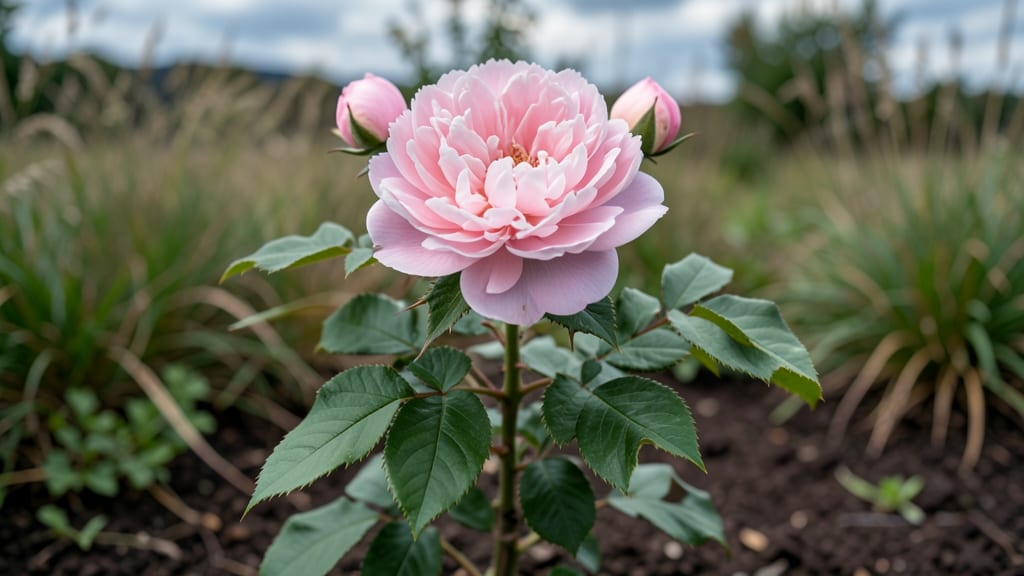
Pink peony roses climbing up your trellis are like a secret garden whispering romance at every turn. 🌸 The velvety blooms—soft as blush on skin—transform any vertical space into a dreamy, living tapestry that beginners and seasoned gardeners alike will adore.
These roses aren’t just pretty; they’re the stars of cottage gardens, romantic borders, and even rustic fences. Their lush, layered petals pair perfectly with lavender for a dreamy purple-pink contrast or silver foliage for a soft, ethereal glow. And when you snip a few stems for a vase?
The fragrance lingers like a summer memory. For maximum impact, plant them near seating areas or along pathways where their cascading blooms frame every step. In late spring, they’ll burst into color just as the air warms, and with gentle pruning, they’ll keep flowering well into summer.
The secret to their drama? Let them climb—support them with sturdy trellises or arches for that fairytale effect. This rose thrives in partial shade too, making it perfect for patios or north-facing walls.
Pair it with clematis for a vertical garden that feels like a storybook, or let it soften a modern space with its timeless elegance. Vertical gardens aren’t just functional—they’re mood-setters.
📚 In This Guide
- What you need
- Instructions
- Tips and common mistakes
- Wrapping up and next steps
What you need
- ● Pink Peony Rose Cuttings or Bare-Root Plants: 1–3 healthy cuttings (4–6 inches long) or 1–2 bare-root plants (ensure they’re disease-free and labeled as Rosa ‘Pink Peony’ or similar).
- ● Vertical Garden Structure: Trellis, wall-mounted planter, or climbing frame (at least 6–8 feet tall for full bloom potential).
- ○ Optional: A self-watering system (like a drip irrigation kit) for low-maintenance growth.
- ● Potting Mix: 1–2 bags (1–2 cubic feet each) of well-draining, organic potting soil (mix with perlite or compost for aeration).
- ● Fertilizer: Balanced rose-specific fertilizer (10-10-10 or 20-20-20 NPK ratio) or organic options like fish emulsion.
- ○ Optional: Slow-release granules for convenience.
- ● Pruning Shears: Sharp, sterilized shears (for trimming cuttings or deadheading).
- ● Gloves: Heavy-duty gardening gloves (roses can have thorns!).
- ● Trowel or Spade: For planting and soil prep.
- ● Watering Can or Hose: With a gentle spray nozzle (avoid soaking the foliage).
- ● Mulch: Wood chips or straw (to retain moisture and suppress weeds).
- ● Support Ties: Soft plant ties or old fabric strips (to secure vines to the trellis).
- ○ Optional: Spray bottle (for misting cuttings during rooting).
- ● Pest control (neem oil or insecticidal soap for aphids/beetles).
- ● Sunlight: Minimum 6–8 hours of direct sunlight daily (south-facing walls are ideal!).
- ● Climate: Plant in spring or early fall (avoid extreme heat or frost).
- ● Water Access: Consistent moisture (but no waterlogging—roses hate soggy roots!).
- ● Patience: Pink peony roses may take 1–2 years to fully bloom and climb!
How to plant and train your pink peony rose for stunning vertical growth
Here's how I transform a single pink peony rose into a breathtaking vertical focal point—step by step.
🪴 Step 1: Choose the Perfect Location and Prepare the Soil
Pink peony roses thrive in a spot with 6-8 hours of direct sun daily, so avoid shady corners. I always test soil drainage first by digging a 12-inch deep hole and filling it with water—if it drains within 2 hours, it's perfect. If not, amend with a mix of compost and coarse sand to improve airflow.
Loosen the soil around the planting area to a depth of 18 inches and work in 3-4 inches of compost. These roses love rich, well-draining soil with a pH between 6.0 and 7.0. You'll know you've done it right when the soil feels light and crumbly, like a well-aerated cake batter.
🌱 Step 2: Plant the Bare-Root Rose at the Right Depth
Soak the bare-root rose for 2-3 hours before planting to rehydrate the roots. Position the plant so the graft union (the swollen bump near the base) sits 2-3 inches above soil level. This prevents soil from smothering the graft, which can cause the plant to revert to wild, non-flowering growth.
Spread the roots gently outward in the hole and backfill with soil, tamping lightly to remove air pockets. Leave a 1-inch deep basin around the base to help direct water straight to the roots. Water deeply immediately after planting—this settles the soil and eliminates air gaps that can stress the roots.
☀️ Step 3: Install a Support Structure and Train the First Canes
Pink peony roses need sturdy support, so I install a 5-foot tall trellis or arbor within a week of planting. Use flexible ties (never wire—it can damage bark) to loosely attach the main canes to the structure. The goal is to guide growth upward without restricting it.
Select 3-4 of the strongest canes and tie them to the trellis at a 45-degree angle. This encourages upward growth while preventing the plant from becoming top-heavy. Watch for new shoots—once they reach 6 inches tall, gently weave them through the trellis to train them vertically.
✂️ Step 4: Prune for Health and Encourage Floral Growth
After the first flush of blooms, cut back spent flowers to just above a 5-leaflet leaf. This redirects energy from seed production to stronger cane growth. In late winter or early spring, prune again to remove any dead, diseased, or crossing branches. I always make cuts at a 45-degree angle, about ¼ inch above an outward-facing bud.
Thin out crowded canes to 3-5 per plant, keeping only the healthiest ones. You'll see new growth emerge within 2-3 weeks—this is your signal that the plant is recovering well. Avoid heavy pruning in the first year, as the rose is establishing its root system.
💧 Step 5: Water and Fertilize for Continuous Blooms
Water deeply once a week, aiming for 1-2 gallons per plant. The soil should be moist but not soggy—stick your finger 2 inches deep; if it feels dry, it's time to water. Mulch around the base with 2-3 inches of organic mulch to retain moisture and regulate soil temperature.
Feed with a balanced rose fertilizer (10-10-10) every 4-6 weeks during the growing season. You'll notice richer green foliage and more abundant blooms within a few feedings. Reduce watering slightly in late summer to harden off the plant for winter, but keep the soil from drying out completely.
Tips & tricks for perfect pink peony rose vertical growth
Took me years of trial and error to master these secrets—now you can skip the frustration and get that showstopping vertical display right from the start.
Sunlight Strategy: Those 6-8 hours of direct sun are non-negotiable, but here's the trick: if your location gets intense afternoon sun, position your trellis to provide afternoon shade. I've seen roses in full sun wilt faster in summer heat—partial afternoon shade keeps them thriving without sacrificing blooms. The ideal spot gets morning sun and gentle afternoon light.
Root Revival Technique: That 2-3 hour soak before planting isn't just about hydration—it's about reviving the roots. I like to add a tablespoon of mycorrhizal fungi powder to the soaking water. This beneficial soil fungus helps roots establish faster and makes your rose more drought-resistant once planted. It's like giving your plant a superpower from day one.
Trellis Training Timeline: When you're training those first canes at a 45-degree angle, here's what I've learned: the 6-inch height mark is your first checkpoint. At this stage, gently bend the canes to encourage upward growth, but don't force it. I've seen people pull too hard and snap tender new growth. Think of it like teaching a child to climb—guidance, not force.
Pruning Precision: That ¼-inch clearance above the outward-facing bud is critical, but here's the visual cue: when you make your cut, imagine drawing a line from the bud outward at a 45-degree angle. This creates a natural water runoff path and prevents moisture from pooling on the cut, which can cause rot. I always check my pruners are sharp first—dull blades crush stems instead of cleanly cutting.
Pro Tips for Pink Peony Rose
- Took me years of trial and error to master these secrets—now you can skip the frustration and get that showstopping vertical display right from the start.
- Sunlight Strategy: Those 6-8 hours of direct sun are non-negotiable, but here's the trick: if your location gets intense afternoon sun, position your trellis to provide afternoon shade.
- Root Revival Technique: That 2-3 hour soak before planting isn't just about hydration—it's about reviving the roots.
Frequently asked questions
Got questions about growing and caring for your pink peony rose? You’re not alone! Here are some of the most common queries—and their answers—to help you cultivate climbing romance in your vertical garden.
How do I encourage my pink peony rose to climb higher?
Use a sturdy trellis, fence, or arbor to support its growth. Gently tie the main stems to the structure with soft plant ties or twine every 6–12 inches as they grow. Avoid wrapping too tightly—think of it like giving your rose a gentle hug! Prune back long, leggy stems in early spring to redirect energy upward.
When is the best time to plant a pink peony rose?
Plant your pink peony rose in early spring (after the last frost) or early fall (6–8 weeks before the first frost). This gives roots time to establish before extreme temperatures. If planting in containers, use well-draining soil and a pot with drainage holes to prevent root rot.
Why aren’t my pink peony rose blooms as vibrant as they should be?
Faded or dull blooms often signal stress. Check for underwatering (roses love 1–2 inches of water weekly) or over-fertilizing (too much nitrogen = lush leaves, fewer flowers). Deadhead spent blooms regularly to encourage more vibrant flowers. Also, ensure your rose gets 6+ hours of sunlight daily—partial shade can mute colors.
Are pink peony roses prone to pests, and how do I prevent them?
Yes, they can attract aphids, spider mites, or Japanese beetles. Prevent issues by pruning for airflow and spraying leaves with water to deter pests. For mild infestations, use neem oil or insecticidal soap. Introduce ladybugs or praying mantises for natural pest control. Always inspect new plants before adding them to your garden!
Can I grow a pink peony rose in a container, and what size pot do I need?
Choose a container at least 15–20 gallons with drainage holes. Use a well-draining potting mix (like a 50/50 blend of garden soil and compost). Container roses need more frequent watering (check soil moisture daily in hot weather) and balanced fertilizer every 4–6 weeks during growing season.
Wrapping up and next steps
Transforming your vertical garden into a dreamy pink peony rose haven is simpler—and more rewarding—than you think! 🌸 With the right tools, patience, and a touch of creativity, you can cultivate a stunning climbing romance that blooms year after year.
Whether you’re a seasoned gardener or a beginner, the key is to start small, stay consistent, and let nature do the magic.
Ready to take the next step? Pick your spot, gather your supplies, and watch your garden grow! 🌱 Start planting today—your future floral masterpiece is waiting.