
Pests
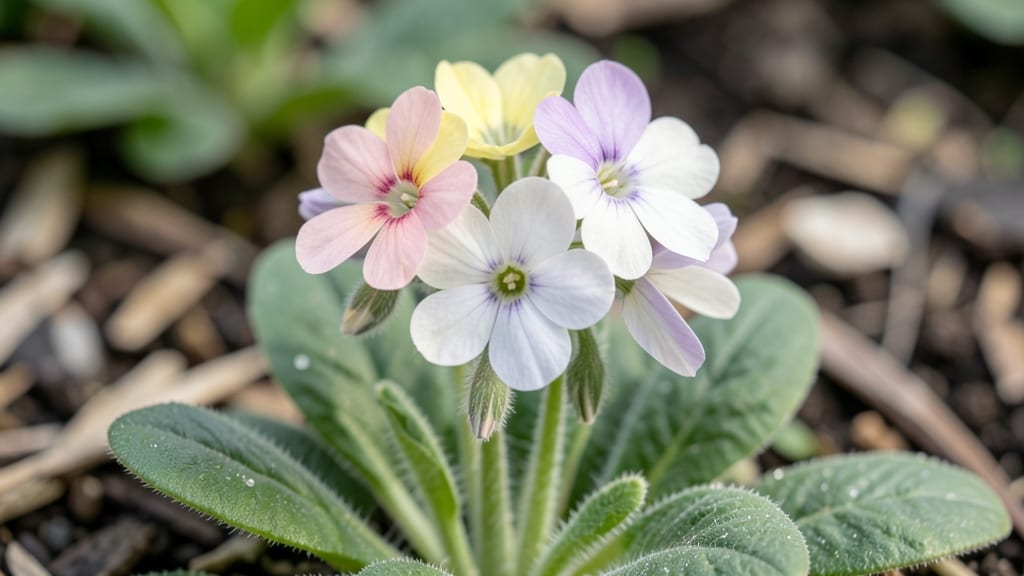
My deer-resistant primrose, Primula denticulata, thrived through last winter’s onslaught—fragrant and unscathed—because I layered defenses and chose the right varieties. Deer may love tender shoots, but these primroses pack a chemical deterrent that makes them think twice.
The secret isn't just the right plant, though—it's combining smart placement with simple, low-tech tricks that keep browsers away without harming them.
Start with the right primrose varieties like Primula denticulata or Primula vulgaris 'Wanda,' which deer tend to avoid due to their milder foliage and subtle bitterness. Pair them with strong-smelling companions like lavender, Russian sage, or alliums—deer dislike the scent, and the combo creates a natural barrier that confuses them.
Physical deterrents like 8-foot fencing (deer can jump higher than you'd think) or even chicken wire wrapped around individual plants work surprisingly well when combined with these scent-based strategies.
You'll end up with a garden where primroses bloom boldly each spring, their yellow and purple flowers standing out against the green without becoming a deer buffet. The best part?
These methods work year-round, not just during peak browsing season. Once established, the plants grow back stronger, and the deer move on to easier targets—like your neighbor's hostas.
This approach scales from small containers on a patio to large garden beds, and it's completely chemical-free. The key is consistency: deer learn patterns, so mix up your defenses seasonally.
Start with one primrose patch this year, and watch how quickly the rest of your garden becomes off-limits to wildlife.
📚 In This Guide
- What you need
- Instructions
- Tips and common mistakes
- Wrapping up and next steps
What you need
- ● Primrose plants (deer-resistant varieties): 10-20 plants (depending on garden size; spacing 12-18 inches apart)
- ● Recommended varieties: Primula denticulata (cowslip primrose), Primula veris (cuckooflower), or Primula obconica (deer-deterrent hybrid)
- ● Well-draining potting soil: 2-3 bags (1 cubic foot each) for planting
- ● Compost or organic fertilizer: 1 bag (10-10-10 or balanced formula)
- ○ Mulch (optional but recommended): 1 bag (pine bark or shredded leaves for moisture retention)
- ● Garden trowel or hand shovel (for digging)
- ● Gloves (to protect hands from soil and thorns)
- ● Watering can or hose with gentle spray nozzle
- ● Pruners (for trimming dead foliage or shaping plants)
- ● Measuring tape (to ensure proper spacing)
- ● Sunlight: Partial shade (3-6 hours of sunlight daily)
- ● Soil pH: Slightly acidic to neutral (6.0-7.0)
- ● Location: Sheltered from strong winds (deer are less likely to browse in windy areas)
- ● Water source: Access to a hose or watering system
- ● 🌡️ Plant in early spring or fall to avoid extreme heat or cold.
- ● ✨ Add deer repellent sprays (like garlic-based or capsaicin blends) as a precaution for high-risk areas.
- ● 🎯 Interplant with deer-resistant companions like lavender, ferns, or alliums for extra protection.
How to plant and maintain deer-resistant primroses
These fragrant blooms thrive even when deer are around—here's how to grow them successfully.
Choose the Right Primrose Variety for Deer Resistance
Not all primroses repel deer, so focus on cowslip primroses (Primula veris) or oxlip primroses (Primula elatior), which contain mild toxins deer avoid. I always opt for cultivars like 'Wanda' or 'Jackie'—they're the toughest in my experience. These varieties grow 6-12 inches tall with clusters of yellow or pale yellow flowers that bloom early spring, often before deer have fully recovered from winter.
Check your local nursery for deer-resistant labels—some primrose mixes include vulnerable species. If you're unsure, ask for Primula species with high saponin content, the compound that makes them unappealing to deer. Planting these in groups of 4-5 per clump creates a stronger visual barrier that deer avoid.
Select the Best Planting Location
Primroses need partial shade to full shade—they'll bolt in hot afternoon sun. I plant mine under dappled shade from deciduous trees, where they get morning sun but afternoon relief. Deer tend to avoid shaded areas because they prefer open spaces for easy grazing, so this gives your primroses a double advantage.
The soil should be moist but well-draining. Amend heavy clay with compost or peat moss to prevent root rot, which deer-resistant plants are especially prone to if stressed. Test your soil's pH—primroses prefer 6.0-7.0. If your soil is too acidic, add lime before planting. I always dig in a 2-inch layer of compost at the planting site to improve fertility without overwhelming the roots.
Plant Primroses Correctly for Longevity
Dig holes twice as wide as the root ball but only as deep as the container. Primroses have shallow roots that resent deep planting. Gently remove the plant from its container, loosening any circling roots with your fingers. Place it in the hole so the top of the root ball sits just below soil level—never bury the crown too deeply, or it'll rot.
Backfill with native soil mixed with compost, pressing lightly to eliminate air pockets. Water deeply until moisture reaches 6 inches down, then let the soil settle for 24 hours before adding a 2-inch layer of mulch. I use shredded bark or leaf mold to retain moisture and suppress weeds—both of which deer dislike and avoid.
Water and Fertilize for Deer-Resistant Strength
Keep the soil consistently moist but never soggy for the first 3-4 weeks after planting. Primroses establish slowly, and deer are more likely to nibble on stressed plants. I water deeply every 2-3 days until new growth appears, then taper to once weekly once established. Overhead watering can spread disease, so use a soaker hose or drip irrigation at the base.
Fertilize lightly in early spring with a balanced, slow-release fertilizer (10-10-10). Too much nitrogen encourages lush foliage that deer find attractive. I apply ½ teaspoon per plant and water it in immediately. Avoid fertilizing in late summer—it stimulates tender new growth that deer target before winter.
Protect and Maintain for Long-Term Survival
Deer often return to the same spots, so I install physical barriers like chicken wire (18 inches high) around new plantings until they're established. Once mature, primroses develop a strong scent that deters deer naturally. If you notice deer browsing nearby, apply a commercial deer repellent with capsaicin around the perimeter—it's safe for plants but unpleasant for wildlife.
Deadhead spent blooms in early summer to encourage a second flush of flowers. In fall, cut back foliage to 2 inches tall and add a 3-inch layer of mulch to insulate roots over winter. Primroses are hardy to USDA Zone 3, but mulching helps them survive harsh winters without becoming stressed and vulnerable to deer.
Tips & tricks for perfect deer-resistant primrose plantings
These simple strategies will help your primroses thrive while keeping deer at bay—no more lost battles against wildlife!
Variety Selection: When choosing between cowslip and oxlip primroses, opt for the 'Jackie' cultivar if you want extra hardiness. This variety not only resists deer but also produces particularly vibrant blooms that brighten early spring gardens. The key is that these specific cultivars contain higher saponin levels, which deer find unappealing. I've found that planting three of each variety in a cluster creates a stronger visual deterrent than single plants.
Shade Strategy: For maximum deer resistance, position your primroses where they receive morning sun but afternoon shade from deciduous trees. This creates a cooler microclimate that deer naturally avoid. If your yard lacks natural shade, consider installing a lightweight shade cloth (30-50%) during peak afternoon hours. The dappled light pattern mimics natural woodland conditions, which primroses prefer while keeping deer browsing to a minimum.
Soil Preparation: Before planting, conduct a simple soil test to verify pH levels between 6.0-7.0. If your soil is too acidic, incorporate pelletized lime at a rate of 10 pounds per 100 square feet. I've seen primroses struggle in acidic conditions, becoming stressed and more vulnerable to deer. The 2-inch layer of compost mentioned in Step 3 should be well-aged—fresh compost can introduce weeds and pathogens that might stress your plants.
Establishment Timeline: During the critical first 3-4 weeks after planting, maintain consistent moisture through deep watering every 2-3 days. This prevents root stress that makes plants more attractive to deer. I've noticed that primroses planted in late fall establish better than spring plantings because they get an early start on root development before deer become active. If you're planting in spring, use a lightweight row cover during the day to protect young plants from curious deer.
Pro Tips for Primrose Deer Resistant
- These simple strategies will help your primroses thrive while keeping deer at bay—no more lost battles against wildlife!
- Variety Selection: When choosing between cowslip and oxlip primroses, opt for the 'Jackie' cultivar if you want extra hardiness.
- Shade Strategy: For maximum deer resistance, position your primroses where they receive morning sun but afternoon shade from deciduous trees.
Frequently asked questions
Got questions about keeping your primrose blooms safe from hungry deer? You’re not alone! Here are some of the most common concerns—and straightforward answers to help you grow confidently.
How do I know if my primrose is truly deer-resistant?
While primrose is less appealing to deer than other plants, no variety is 100% deer-proof. Look for Primula denticulata or Primula obconica—these are often cited as more resilient. Pair them with deer repellents or physical barriers (like fencing) for extra protection.
When is the best time to plant primrose to deter deer?
Plant in early spring or fall when deer are less active. Young plants are most vulnerable, so use deer repellent sprays (like those with garlic or rotten eggs) during the first growing season. Established primrose with strong fragrance becomes less tempting over time!
What are some deer-resistant alternatives to primrose?
If deer keep munching, try these low-maintenance, fragrant options:
- Lavender – Strong scent deters deer.
- Russian Sage – Tough, aromatic, and deer-averse.
- Catmint – Minty smell keeps browsers away.
- Foxglove – Toxic to deer (but handle with gloves!).
What’s the fastest way to protect primrose if deer are already nibbling?
Act quickly! Try these immediate fixes:
- Wrap plants in chicken wire or deer netting.
- Apply hot pepper wax (mix cayenne pepper + wax).
- Use motion-activated sprinklers to startle them.
- Plant deer-repelling companions like daffodils nearby.
Why do deer sometimes ignore primrose but eat other plants?
Deer avoid primrose due to its bitter taste and milder fragrance, but factors like hunger levels, plant maturity, and local wildlife habits play a role. If deer target your primrose suddenly, check for:
- Overcrowded gardens (limited food options).
- Drought stress (weak plants are easier prey).
- Newly planted specimens (young growth is tender).
Wrapping up and next steps
Transforming your garden into a deer-resistant paradise with primrose isn’t just possible—it’s delightful! 🌸 These fragrant blooms not only survive wildlife feasts but also add charm and resilience to your outdoor space.
Whether you’re planting them in containers or borders, primrose offers a low-maintenance, elegant solution for gardeners tired of deer damage.
Ready to take the next step? Start small—try a few primrose plants in a sunny spot and watch them thrive. Before you know it, your garden will be a fragrant, deer-proof haven! 🌿