
Light Requirements
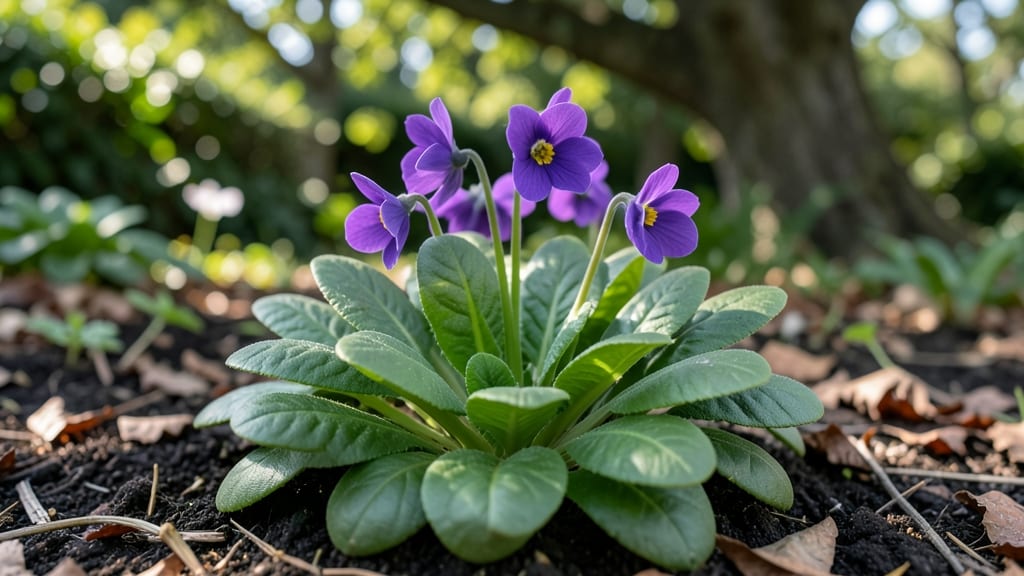
Wondering do primroses need full sun? Actually, they prefer partial shade—just enough light to bloom beautifully without wilting in harsh rays. 🌸
Struggling to keep your primroses blooming? Many gardeners mistakenly assume these delicate flowers need full sun—only to watch them wilt or fail to flower. The truth is, primroses prefer dappled light or morning sun with afternoon shade, especially in warmer climates.
This preference isn’t just a quirk—it’s about survival. Too much direct sunlight can dry out their soil and stress the plants, while the right balance keeps them lush and flowering for weeks.
If your garden spot gets harsh afternoon rays, a little shade cloth or strategic planting near taller plants can make all the difference.
In this guide, I’ll break down the ideal light conditions, how to adjust your garden for primroses, and what to watch for if they’re not getting enough—or too much—sunlight.

The ideal sunlight conditions for primroses: why partial shade wins
If you’re wondering do primroses need full sun, the short answer is no—these delicate bloomers actually prefer partial shade. While they can tolerate some sunlight, too much direct exposure—especially in hot afternoons—can cause leaf burn and stress.
Understanding their sunlight requirements is key to keeping your primroses thriving and blooming year after year.
Primroses are native to temperate climates where they naturally grow under dappled sunlight or in woodland edges. This means they’ve evolved to thrive with morning sun and afternoon shade, a balance that keeps their foliage cool and hydrated.
When planted in full sun, especially in warmer regions, they often struggle, leading to wilting, yellowing leaves, or even failure to bloom.
Why partial shade works best comes down to science: primroses have shallow root systems that dry out quickly in intense sunlight. Partial shade helps retain soil moisture while still providing enough light for photosynthesis. Additionally, it regulates temperature stress, preventing the leaves from overheating—a common issue in full-sun conditions.
Now, let’s break down their sunlight needs with a quick reference to help you visualize the ideal setup:
| Condition | Specification | Notes |
|---|---|---|
| Ideal Sunlight | 4-6 hours/day | Morning sun preferred |
| Afternoon Sun | Avoid direct exposure | Leads to leaf scorch |
| Full Sun Tolerance | 2-3 hours max | Only in cooler climates |
| Shade Needs | 40-60% shade | Retains soil moisture |
| Regional Adjustments | Varies by zone | Cooler zones: more sun |
In cooler climates (USDA Zones 3-5), primroses can handle slightly more sunlight—up to 3-4 hours of afternoon sun—because the air stays cooler, reducing stress. However, in warmer zones (Zones 6-8), even morning sun can be too intense, so dappled shade or filtered light is ideal.
Think of their natural habitat: under deciduous trees or along north-facing walls where they receive gentle, indirect light.
To identify the perfect spot in your garden, look for areas with morning sunlight and afternoon shade. East-facing beds or locations under partial shade from trees or structures work beautifully. If your garden lacks natural shade, consider using shade cloth (30-50% coverage) to mimic these conditions.
This simple adjustment can make a world of difference in your primroses’ health and blooming potential.
Another pro tip: Container gardening offers flexibility for primroses. You can move pots to follow the sun—placing them in morning sun and shifting them to shade by noon. This mimics their natural preferences and is especially useful in hotter climates where fixed garden beds might not provide enough shade.
When it comes to soil moisture retention, partial shade plays a crucial role. Shady spots stay cooler, reducing evaporation and keeping the soil consistently moist—something primroses love. In contrast, full sun can dry out the soil quickly, forcing you to water more frequently and risking root stress.
This is why many gardeners see healthier foliage and more abundant blooms when primroses are given the right light conditions.
If you’re still unsure about your garden’s sunlight, observe the area throughout the day. Mark spots that receive morning sun but remain shaded by midday. These are prime locations for primroses. Avoid south-facing beds in hotter regions, as they often bake in full sun for most of the day.
Instead, opt for north or east exposures, which provide the gentle light primroses crave.
Remember, the goal is to balance sunlight and shade—not eliminate light entirely. Primroses still need enough light to photosynthesize and produce those stunning blooms. The key is finding that sweet spot where they get just enough energy without overheating. With the right
How to adjust your garden for primroses: shade solutions and sun tolerance tips
If your primroses seem leggy or lackluster, your garden might be getting the sunlight wrong. While some varieties tolerate morning sun, most primroses prefer partial shade—especially in hot climates.
The key is balancing light exposure to prevent leaf scorch while encouraging vibrant blooms. Let’s explore practical ways to create the perfect environment for these delicate flowers.
Not all primroses have the same sunlight needs. Some varieties, like Primula denticulata, thrive in bright indirect light, while others, such as Primula obconica, can handle dappled shade.
Understanding these differences will help you place your plants correctly and avoid common pitfalls like wilting foliage or fewer blooms. Let’s break down your options.
Do Primroses Need Full Sun?
✅ Pros of Partial Shade
- Prevents leaf scorch in hot afternoons
- Encourages lush foliage and abundant blooms
- Reduces watering needs by retaining soil moisture
- Extends blooming season in warm climates
❌ Cons of Full Sun Exposure
- Causes yellowing leaves and crispy edges
- Reduces flowering due to stress
- Increases water demands and evaporation
- Attracts pests like aphids in stressed plants
For gardeners with limited shade options, container gardening is a game-changer. Move pots to east-facing windows or under tree canopies during peak sun hours. This flexibility ensures your primroses get the gentle morning light they crave without the harsh afternoon rays.
Plus, containers let you adjust placement as seasons change.
Another clever trick? Companion planting with taller, sun-loving plants like foxgloves or delphiniums. These provide natural shade while adding height and texture to your garden. Just avoid planting near competitive root systems like rhododendrons, which can steal nutrients and water from your primroses.
If your primroses show signs of sun stress, act fast. Trim damaged leaves to redirect energy, and mulch with organic matter to keep roots cool. For stubborn leggy growth, prune back stems by one-third to encourage bushier, healthier plants.
These small adjustments can make a big difference in your primroses’ resilience.
Remember, the goal is consistency. Primroses adapt best to stable conditions, so avoid moving them frequently. With the right shade solutions and a little patience, your garden will soon burst with vibrant primrose blooms that last all season. Happy gardening! 🌸