
Pruning
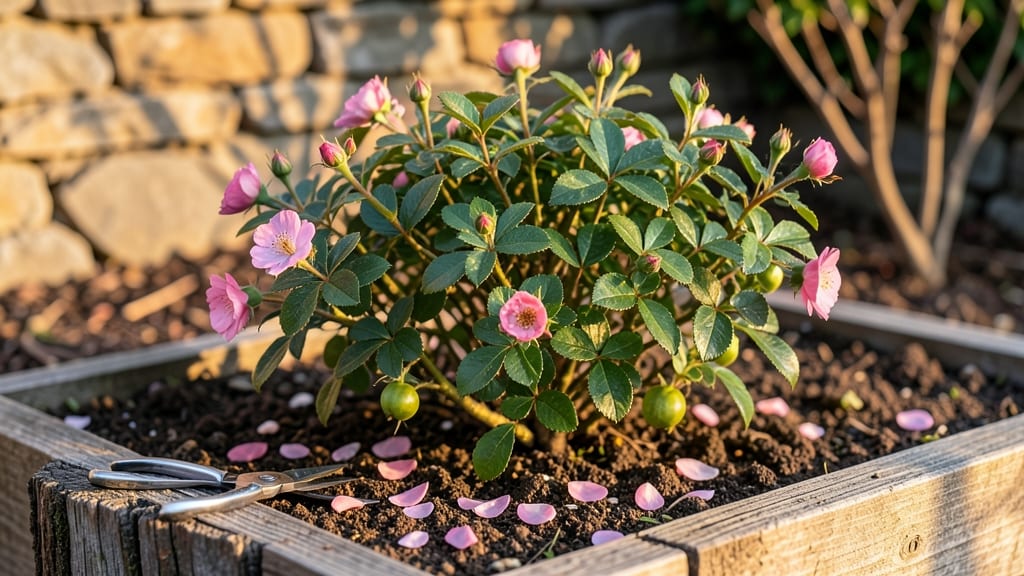
Pruning Rosa rugosa roses isn’t just about shaping—it’s about unlocking next year’s blooms and keeping those thick, disease-resistant canes thriving. 🌿 I’ve pruned mine every winter for five years, and the difference in vigor and flower power is shocking.
These roses reward precision over perfection, so we’ll focus on three strategic cuts that work year-round.
The best time to prune is late winter or early spring, but you can also do light maintenance in summer. You’ll need sharp bypass pruners, gloves, and a bucket for clippings—no fancy tools, just the right technique.
Start by removing dead, crossing, or weak canes first, then shape the plant by cutting just above an outward-facing bud at a 45-degree angle.
After pruning, you’ll see fresh green shoots within weeks, with blooms arriving earlier and lasting longer. The secret is in the cuts—never remove more than a third of the plant at once, and always leave some old wood for next year’s flowers.
Fertilize lightly after pruning to encourage new growth without overwhelming the plant.
This method works for any size Rosa rugosa, from hedges to single-stem plants. The key is consistency—just three cuts a year keep these roses healthy, productive, and looking their best. Ready to transform your roses into a low-maintenance showstopper?
📚 In This Guide
- What you need
- Instructions
- Tips and common mistakes
- Wrapping up and next steps
What you need
- ● Bypass pruners: Sharp, high-quality pruners (e.g., Felco or Corona) for clean cuts on smaller stems.
- ● Loppers: For thicker branches (1–2 inches in diameter), with a 6–8-inch cutting range.
- ● Pruning saw: A curved-tooth saw for larger, woody stems (3+ inches thick).
- ● Disinfectant (70% isopropyl alcohol or bleach solution): To sterilize tools between cuts and prevent disease.
- ● Garden gloves: Heavy-duty, cut-resistant gloves (e.g., Mechanix Wear) for protection.
- ● Rubbing alcohol or hand sanitizer: For cleaning hands before and after pruning.
- ● Sealer (pruning paint or wound dressing): For sealing large cuts (e.g., Tanglefoot Tree Wound Pruning Sealant).
- ● Disposable pruning bags: To collect debris and reduce mess.
- ● Knee pads or a small stool: For comfort, especially for larger bushes.
- ● Sharpie or marker: To label stems for future reference (if grafting or training).
- ● Knowledge of your rose’s Rosa rugosa growth habits (e.g., suckers, canes, and bloom cycles).
- ● Clear weather: Avoid pruning in wet or windy conditions to prevent disease spread.
- ● Timing: Prune at the right time of year (early spring, late winter, or post-bloom for specific goals).
Instructions for pruning Rosa rugosa roses
Here's the straightforward method I use to keep my Rosa rugosa thriving year-round with just three focused cuts.
✂️ Step 1: Clean Up Dead and Diseased Wood in Late Winter
Start in late winter (just before buds swell) when the plant is dormant. I grab my sharp bypass pruners and scan each branch—anything blackened, mushy, or hollow at the center gets cut back to healthy wood. These are your dead or diseased canes, and they’ll only sap energy from your rose.
Make your cuts at a 45-degree angle, about ¼ inch above an outward-facing bud. This angle helps water run off instead of pooling. If you’re unsure which buds are alive, scratch the bark with your thumbnail—green underneath means it’s good to keep.
🌿 Step 2: Thin Out Crowded Canes in Early Spring
Once new growth starts in early spring, focus on spacing. Rosa rugosa naturally grows multiple canes, but too many competing for light and nutrients leads to weak blooms. I remove 1-2 of the oldest canes at the base—these are the ones with the smallest diameter and least vigor. Cut them off completely, right at the crown.
Here’s the thing—don’t worry about leaving ugly stubs. The goal is to open up the center of the plant so air circulates freely. You’ll see the difference in 3-4 weeks when new shoots emerge stronger and more evenly spaced.
☀️ Step 3: Lighten Up After First Blooms in Summer
After your rose finishes its first flush of blooms (usually late June or early July), it’s time for a lighter touch. I look for branches that have already flowered and cut them back by ⅓ to encourage a second round of blooms. Focus on removing spent flower clusters (deadheading) and any crossing branches that rub against each other.
This is where it gets fun—watch how the plant responds. Within 2-3 weeks, you’ll see fresh buds forming along the remaining branches. Just avoid heavy pruning after mid-August, or you’ll delay next year’s blooms.
⏰ Step 4: Minimal Winter Prep in Fall (Optional)
If your climate gets harsh winters, do a quick tidy-up in late fall after the first hard frost. Remove any remaining dead leaves or damaged canes, but skip heavy pruning—your rose needs those canes to store energy for next spring. A light cleanup keeps pests and diseases from hiding over winter.
Here’s what I do: I rake up all the fallen leaves and debris within a 3-foot radius of the plant. Then, I give the canes a gentle shake to dislodge any lingering pests. That’s it—no fuss, just prevention.
Tips & tricks for pruning Rosa rugosa roses
Let me share the little details that make all the difference when keeping your rose bush healthy and blooming beautifully.
Tool Tip: Your pruners make a bigger difference than you might think. Use sharp bypass pruners—not dull anvil pruners—that crush stems and can damage the plant. I keep a small file handy to sharpen mine between seasons. Clean your pruners with rubbing alcohol after each use to prevent spreading disease between cuts. This simple step keeps your rose thriving for years.
Seasonal Timing Secret: The timing in Step 1 matters more than you'd expect. Late winter pruning (just before buds swell) is critical because the plant is dormant and won't bleed sap excessively. If you're unsure when that is, look for the first signs of bud swelling—prune just before you see them. I always mark my calendar the year before to remember this key window.
Visual Cue for Healthy Cuts: When making your 45-degree cuts in Step 1, imagine cutting off the top of a pencil at that angle. The outward-facing bud should be clearly visible after your cut. This isn't just about looks—it ensures new growth will angle away from the center, creating an open, airy bush. I like to practice on small twigs first to get the angle just right.
Summer Pruning Watch: That 2-3 week response time after summer pruning (Step 3) is your reward for timing it right. If you see no new buds forming after this period, you might have pruned too late or too aggressively. Remember, the goal is to encourage more blooms, not stunt the plant. I always check the calendar to confirm we're still before mid-August before making any summer cuts.
Pro Tips for Pruning Rosa Rugosa Roses
- Let me share the little details that make all the difference when keeping your rose bush healthy and blooming beautifully.
- Tool Tip: Your pruners make a bigger difference than you might think.
- Seasonal Timing Secret: The timing in Step 1 matters more than you'd expect.
Frequently asked questions
When is the best time to prune Rosa rugosa?
Prune Rosa rugosa in late winter or early spring (just before new growth starts) for best results. You can also do a light cleanup in fall to remove dead or diseased wood—but avoid heavy pruning then, as it may stress the plant before winter.
Can I prune Rosa rugosa in winter?
Yes, but only in mild climates (USDA Zones 5-9). If frost is expected, wait until after the last hard freeze. Pruning too early in cold weather can expose tender growth to damage. If you must prune in winter, do so on a dry, above-freezing day.
What if I accidentally cut into old wood—will my rose die?
Don’t panic! Rosa rugosa is hardy and resilient. If you nick old wood, just sterilize your tools and keep an eye on the cut. Healthy roses often recover, but avoid deep cuts into large branches—focus on outward-facing canes for airflow.
Should I remove all the dead blooms, or leave some for hips?
You can leave some blooms to develop into hips (the bright red seed pods), but prune 1/3 of the oldest canes annually to encourage new growth. For hip production, leave 5-10% of flowers uncut—just avoid overcrowding.
My Rosa rugosa has weird, twisted branches—should I prune those?
Yes! Twisted or crossing branches should be removed to prevent disease and improve airflow. Use clean, sharp pruners to make cuts just above a healthy bud or outward-facing growth. These branches often signal old age—pruning them rejuvenates the plant.
Wrapping up and next steps
Pruning your Rosa rugosa isn’t just about tidying up—it’s the secret to vibrant blooms, stronger stems, and a bush that thrives year after year! 🌿 With just three simple cuts, you’ll keep your roses healthy, encourage lush growth, and even prevent pests.
Remember, timing and technique matter, but don’t let perfection hold you back—your roses will reward your effort with stunning flowers and resilience.
Ready to take the next step? Grab your pruners and schedule your first pruning session this spring! If you’re eager to dive deeper, explore how to identify common rose diseases or learn about organic fertilizers to supercharge your roses’ growth. Happy pruning!