
Pests and Diseases
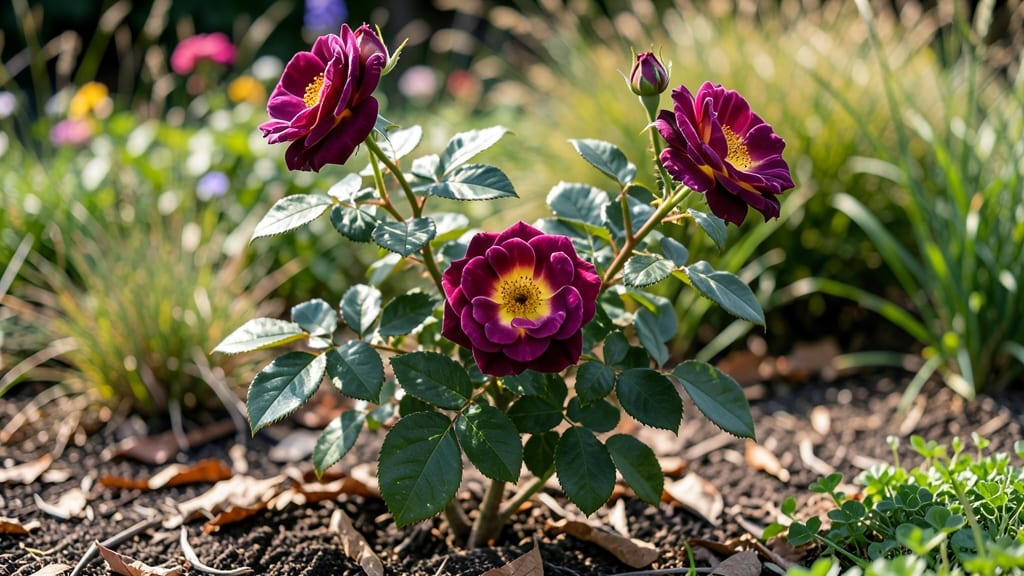
Purple and yellow roses create a showstopping contrast that turns ordinary garden beds into dramatic focal points—and I’ve learned exactly how to make them pop without clashing. 🌸 The secret isn’t just planting them together; it’s pairing them with the right foliage and blooms to let their bold hues shine.
Think deep purple ‘Black Baccara’ next to sunny ‘Julia Child’—the color clash is electric, but the effect feels intentional, not chaotic.
Start with three roses per color for impact, then layer in silver foliage (like lamb’s ear) or chartreuse leaves (such as ‘Lime Rickey’) to balance the intensity. For containers, mix them with trailing ivy or dusty miller to soften the edges.
The key? Keep the background simple—let those purple and yellow blooms take center stage. Trust me, your neighbors will ask how you pulled it off.
📚 In This Guide
- What you need
- Instructions
- Tips and common mistakes
- Wrapping up and next steps
What you need
- ● Purple roses: 3–5 healthy bare-root or potted plants (e.g., Rosa 'Mister Lincoln' or Rosa 'Black Baccara').
- ● Yellow roses: 3–5 plants (e.g., Rosa 'Julia Child' or Rosa 'Golden Celebration').
- ● High-quality rose soil: 10–15 gallons (mix with compost for drainage).
- ● Organic mulch: 2–3 inches of shredded bark or straw.
- ● Fertilizer: Balanced rose fertilizer (10-10-10) or organic options like fish emulsion.
- ● Pest-control tools: Neem oil (16 oz spray bottle).
- ● Insecticidal soap (16 oz).
- ● Hose with adjustable nozzle (for rinsing pests).
- ● Pruning shears: Sharp, sterilized shears (for shaping and disease prevention).
- ● Support stakes: 4–6 ft bamboo or metal stakes (1 per plant).
- ● Garden twine: 50 ft roll (for tying roses to stakes).
- ● Garden gloves: Heavy-duty (to protect from thorns and chemicals).
- ● Trowel or shovel: For digging planting holes (12–18 inches deep).
- ● pH testing kit: To ensure soil pH is 6.0–6.5 (ideal for roses).
- ○ Drip irrigation system: (Optional) For consistent watering.
- ● Rose food supplements: Epsom salt (for magnesium) or compost tea (for micronutrients).
- ○ Reflective mulch: (Optional) Aluminum foil or landscape fabric to deter pests.
Step-by-step guide to planting purple and yellow roses for maximum impact
Here's how to create a showstopping rose display with vibrant purple and yellow blooms—my go-to method for garden drama.
🌱 Step 1: Choose Complementary Rose Varieties
Select roses that bloom at similar times for continuous color. I pair 'Iceberg' (pure white with yellow tones) with 'Black Baccara' (deep purple) for a striking contrast, or 'Julia Child' (soft yellow) with 'Mister Lincoln' (velvety purple). Check bloom seasons—some varieties flower once in spring, while others bloom repeatedly.
Buy bare-root roses in winter or spring for best results. Soak roots in water for 2-4 hours before planting to rehydrate them. This jumpstarts growth and prevents transplant shock. Handle roots gently—don't let them dry out again after soaking.
☀️ Step 2: Select the Perfect Planting Location
Purple and yellow roses thrive in full sun—at least 6-8 hours daily. I plant mine where they get morning sun and afternoon shade in hot climates to prevent leaf scorch. The soil should drain well but retain moisture—amend heavy clay with compost or sand to improve aeration.
Dig a hole twice as wide as the root ball but only as deep as the roots. This encourages roots to spread horizontally rather than settling too deep. Loosen the sides of the hole with a shovel to prevent soil compaction around the roots later.
🪴 Step 3: Plant Roses with Proper Spacing and Support
Space roses 3-4 feet apart for good airflow—crowding invites fungal diseases like black spot. Plant 4 roses (as per your serving size) in a square pattern for a balanced focal point. Mix varieties so blooms overlap for continuous color.
Place the rose in the hole so the graft union (bulge near the base) sits 2 inches above soil level. This protects against root rot and ensures healthy regrowth if the top dies back. Backfill with native soil mixed with compost to enrich the planting area.
💧 Step 4: Water and Mulch for Healthy Growth
Water deeply right after planting to settle the soil and eliminate air pockets. Keep the soil evenly moist (not soggy) for the first 2-3 weeks—this helps roots establish. I water at the base in the morning so foliage dries quickly, reducing disease risk.
Apply 2-3 inches of mulch (wood chips or straw) around the base, keeping it 6 inches away from the stem. Mulch conserves moisture and regulates soil temperature. Replenish mulch annually to maintain protection and suppress weeds.
✂️ Step 5: Prune and Maintain for Continuous Blooms
Prune in early spring before new growth starts. Remove dead or crossing branches first, then cut back 1/3 of the oldest canes to encourage new growth. For hybrid teas, cut just above an outward-facing bud to shape the plant and promote flowering.
Fertilize every 4-6 weeks during the growing season with a balanced rose fertilizer (10-10-10). Purple roses may need slightly more phosphorus for vibrant blooms, while yellows benefit from potassium for disease resistance. Deadhead spent blooms regularly to redirect energy into new flowers.
🌿 Step 6: Protect and Enjoy Your Stunning Display
Watch for aphids or spider mites—they love tender new growth. Spray with neem oil at the first sign of pests. Purple roses attract hummingbirds, so you’ll get bonus wildlife visitors. Group your roses with complementary perennials like lavender or salvia for extended color.
In late fall, cut back canes to 12-18 inches tall and mulch heavily for winter protection. Purple and yellow roses will reward you with bold, long-lasting blooms—perfect for cutting or admiring in the garden.
Tips & tricks for planting purple and yellow roses
Want a garden that pops with drama? These simple tricks will help you create a vibrant rose display that turns heads—and lasts all season.
Variety Selection Matters: When choosing your purple and yellow roses, look for varieties with overlapping bloom seasons. For example, 'Black Baccara' (deep purple) blooms later in the season than 'Iceberg' (yellow tones), so pairing them ensures continuous color. I always check the bloom charts at my local nursery to avoid gaps in your color show.
Root Soaking Secret: That 2-4 hour root soak before planting isn't just about hydration—it's about jumpstarting growth. I like to soak roots in room-temperature water with a splash of rooting hormone for extra vigor. Just make sure to plant immediately after soaking; letting roots dry out again defeats the purpose.
Sunlight Strategy: The 6-8 hours of daily sun is non-negotiable, but here's the pro move: position your roses where they get morning sun and afternoon shade in hot climates. This prevents leaf scorch while still giving them plenty of light. I've learned this the hard way—my first attempt with all-day sun left me with crispy leaves!
Mulch Like a Pro: That 2-3 inches of mulch isn't just decoration—it's insurance. Apply it right after planting and keep it 6 inches away from the stem to prevent rot. I use wood chips because they break down slowly, adding organic matter to the soil over time. Replenish annually to maintain that protective layer and keep weeds at bay.
Pro Tips for Purple And Yellow Roses
- Want a garden that pops with drama?
- Variety Selection Matters: When choosing your purple and yellow roses, look for varieties with overlapping bloom seasons.
- Root Soaking Secret: That 2-4 hour root soak before planting isn't just about hydration—it's about jumpstarting growth.
Frequently asked questions
Got questions about purple and yellow roses? You’re not alone! Here are some of the most common queries to help you navigate growing, caring for, and styling these vibrant blooms with confidence.
What’s the best way to plant purple and yellow roses together for maximum contrast?
Plant them in clusters of three or five for visual impact, spacing them 2–3 feet apart to allow airflow and sunlight. Group purple roses (like 'Black Baccara') in odd-numbered sets and yellow roses (like 'Julia Child') in even-numbered sets for a balanced, eye-catching display. Mulch with compost to enhance color vibrancy!
Do purple and yellow roses attract pests more than other colors?
While no color inherently attracts pests, yellow roses can draw aphids or whiteflies due to their sweet nectar. To prevent issues, spray foliage with neem oil weekly during peak bloom season. Purple roses are generally pest-resistant, but watch for Japanese beetles—handpick them early in the day for best results.
When is the ideal time to prune purple and yellow roses for healthy regrowth?
Prune late winter or early spring (just before new growth starts) to shape bushes and encourage blooms. For yellow roses, cut back 1/3 of the stem at a 45-degree angle; for purple roses, focus on removing dead wood and crossing branches. Avoid pruning in fall—it can stimulate tender new growth vulnerable to frost.
Can I mix purple and yellow roses with other colors without clashing?
Pair them with white roses (like 'Iceberg') for a soft contrast or deep red roses (like 'Double Delight') for drama. For a modern look, add silver foliage plants (e.g., lamb’s ear) or chartreuse shrubs (like 'Golden Mop'). Stick to 2–3 colors max to keep the purple-and-yellow combo as the star!
Why are my purple and yellow roses losing color or fading too quickly?
Fading can stem from overwatering, nutrient deficiency, or too much direct sun. Ensure they get 6–8 hours of sunlight daily but protect them from harsh afternoon rays with light shade. Feed with a balanced rose fertilizer (10-10-10) every 4–6 weeks, and water at the base (not leaves) to prevent mildew.
Wrapping up and next steps
Purple and yellow roses create a vibrant, eye-catching display that elevates any garden—whether you’re battling pests, boosting pollinator appeal, or simply chasing curb appeal. 🌸 Their bold contrast isn’t just beautiful; it’s a practical choice for healthy, thriving blooms when paired with the right care. Remember, the key is balance: pruning, soil health, and pest vigilance keep these stars shining bright.
Ready to transform your garden? Start small—plant a single purple-yellow duo as a test patch, then expand as confidence (and blooms!) grow. Happy gardening! 🌿