
Tools
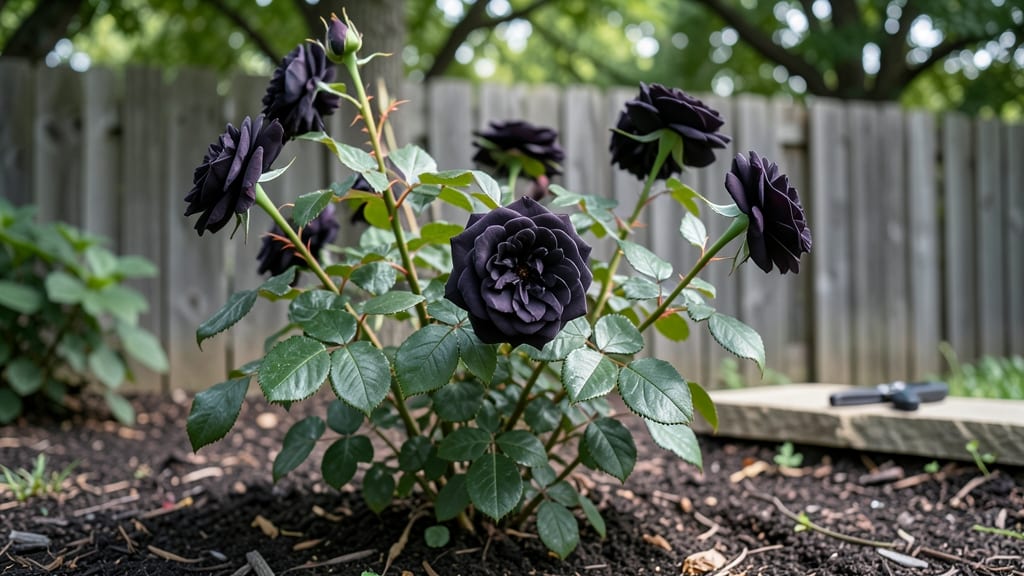
Creating a purple roses garden starts with the right variety—deep velvety blooms that perfume the air from spring through frost. 🌸 I fell for 'Black Baccara' after seeing it in a historic English garden, and now my yard stays fragrant even in winter with proper pruning.
The secret isn't just the roses; it's how you layer them with silver foliage and lavender to make the purple pop year-round.
For a romantic cottage look, plant roses along arbors with climbing hydrangeas, while modern minimalists might pair them with boxwood hedges and ornamental grasses. My favorite spot?
A sunny border where the roses act as a living frame for a small seating area—purple blooms reflect in the afternoon light like liquid amethyst. The key is spacing them 3-4 feet apart so air circulates and diseases stay away.
Four-season pruning keeps your garden thriving without the mess. In late winter, cut back dead wood to encourage new growth, then trim lightly after each flush of blooms to maintain shape. By fall, you'll have lush foliage that turns fiery red, adding autumn drama.
The fragrance? That's the real reward—walking past and catching the scent on a crisp morning makes every pruning session worth it.
This design works for any yard size—whether you're framing a front door or creating a hidden retreat. The purple roses become the star, but the supporting cast of perennials and shrubs keeps the show going from bloom to bloom.
Ready to make your garden smell like a secret garden all year? Let's get planting!
📚 In This Guide
- What you need
- Instructions
- Tips and common mistakes
- Wrapping up and next steps
What you need
- ● Purple rose bushes: 3–5 healthy, disease-resistant varieties (e.g., Iceberg, Blaze, or New Dawn). Choose bare-root or potted plants based on planting season.
- ● High-quality potting soil: 5–10 bags (sterilized, well-draining mix with compost). Aim for 1 cubic yard per bush.
- ● Organic fertilizer: Balanced 10-10-10 or rose-specific formula (e.g., Miracle-Gro Shake ’n Feed). Use 2–3 lbs per bush annually.
- ● Mulch: 2–3 cubic feet of wood chips or shredded bark to retain moisture and suppress weeds.
- ● Pruning tools: 1 pair bypass pruners (sharp, stainless steel, e.g., Fiskars).
- ● 1 pruning saw (for thick stems).
- ● 1 hand pruner (for precision cuts).
- ● Garden stakes or trellis: 3–5 stakes (5–6 ft tall) or a cage system for climbing varieties.
- ● Drip irrigation or hose: For consistent watering (aim for 1–1.5 inches per week).
- ● Pest control: Neem oil or insecticidal soap (for aphids, spider mites).
- ● Gloves & protective clothing: Heavy-duty gardening gloves and long sleeves (roses have thorns!).
- ● Soil tester kit: To check pH (ideal range: 6.0–6.5). Adjust with lime or sulfur if needed.
- ● Rose food granules: Slow-release fertilizer (e.g., Espoma Rose-Tone) for extra nourishment.
- ● Compost bin: To recycle yard waste into nutrient-rich soil amendments.
- ● Shade cloth: 30–50% coverage for young plants in hot climates.
- ● Decorative elements: Garden flags or labels (to track varieties).
- ● Pathway stones or gravel (for easy access).
- ● Solar-powered lights (for evening ambiance).
- ● Seasonal pruning calendar: A printed guide or app (e.g., Gardenate) to track trimming schedules.
How to create a purple roses garden that blooms year-round
Here’s how I design a lush purple rose garden that stays fragrant and vibrant through all four seasons—no matter your climate.
🌱 Step 1: Choose the Right Purple Rose Varieties
Not all purple roses thrive in every zone, so pick varieties that match your climate. I recommend ‘Mister Lincoln’ for its deep burgundy blooms and classic fragrance, or ‘Blaze’ for a softer lavender hue that’s heat-tolerant. For colder regions, ‘Purple Dream’ is hardy and blooms prolifically. Buy bare-root plants in early spring or container-grown roses in fall for best results.
Look for disease-resistant labels—‘Knock Out’ roses (like ‘Pink Knock Out’, which has purple undertones) are tough and low-maintenance. Plant at least 4 bushes for a full garden effect, spacing them 3-4 feet apart to allow airflow and prevent fungal issues. The key is variety: mix early, mid, and late bloomers to ensure continuous color.
☀️ Step 2: Plant in Full Sun with Well-Draining Soil
Purple roses need 6-8 hours of direct sun daily—no exceptions. If your yard has partial shade, plant them where they get the most sunlight possible. Amend your soil with 2-3 inches of compost before planting to improve drainage and fertility. Roses hate soggy roots, so if your soil is clay-heavy, mix in sand or perlite to loosen it up.
Dig a hole twice as wide as the root ball but only as deep as the container’s root base. Place the rose in the hole, spread the roots outward, and backfill with soil. Water deeply to settle everything—1 gallon per plant—and add 2-3 inches of mulch around the base (but not touching the stem) to retain moisture and suppress weeds. This step is critical: poor drainage kills roses faster than any pest.
✂️ Step 3: Master the 4-Season Pruning Schedule
Pruning isn’t just for spring—it’s the secret to year-round blooms. Start in late winter or early spring (when buds swell but before leaves emerge) by cutting back one-third of the plant’s height. Remove dead, crossing, or weak branches first, then prune outward-facing canes to encourage an open shape. Use clean, sharp pruners and make cuts at a 45-degree angle just above an outward-facing bud.
In summer, deadhead spent blooms immediately to redirect energy into new flowers. Every 2-3 weeks, give your roses a light trim to remove any leggy growth or overcrowded stems. For fall, cut back another third of the plant and remove any diseased foliage. In winter, only prune if there’s dead wood—otherwise, leave the plant alone to protect it from cold damage. This seasonal rhythm keeps your garden lush and blooming from spring to frost.
💧 Step 4: Water Deeply and Fertilize Strategically
Water deeply 1-2 times per week (more in extreme heat) to encourage strong root growth. Aim for 1-1.5 inches of water per week, delivered at the base of the plant—not the leaves—to prevent fungal diseases. Early morning is the best time to water, as it gives foliage time to dry before evening humidity sets in.
Fertilize every 4-6 weeks during the growing season with a balanced rose fertilizer (look for a 10-10-10 or 5-10-5 ratio). In early spring, add 1 cup of Epsom salt per plant to boost magnesium, which enhances bloom color. Stop fertilizing in late summer to harden off the plant for winter. Over-fertilizing in fall leads to tender new growth that won’t survive cold snaps—here’s where most gardeners go wrong.
🌿 Step 5: Protect and Maintain for Long-Term Beauty
Watch for Japanese beetles, aphids, or black spot fungus—common pests and diseases in purple roses. Spray with neem oil at the first sign of trouble, and remove infected leaves immediately. In winter, mound 4-6 inches of mulch around the base of each plant to insulate roots from freezing temperatures. If you’re in a harsh climate, wrap young plants with burlap or use rose cones for extra protection.
Every 2-3 years, divide overcrowded bushes in early spring to rejuvenate growth. Dig up the plant, separate the canes, and replant the healthiest sections. This keeps your garden vigorous and prevents decline. With this routine, your purple roses will reward you with fragrant blooms from spring through fall—and even a few surprises in winter if you’re lucky.
Tips & tricks for perfect purple roses garden
Between us, these secrets will help you avoid the most common mistakes that turn vibrant purple rose gardens into sad, sparse patches.
Variety is Key: In Step 1, when selecting your purple roses, prioritize a mix of bloom times—early, mid, and late season varieties. I learned this the hard way after planting all early bloomers that left me with bare stems by summer. For example, pair ‘Mister Lincoln’ (spring bloomer) with ‘Blaze’ (summer) and ‘Purple Dream’ (fall) to ensure continuous color. The 3-4 feet spacing mentioned isn't just about airflow—it's also about giving each plant room to reach its full potential without competing for sunlight.
Soil Science: The 2-3 inches of compost in Step 2 is non-negotiable, but here's what nobody tells you: if your soil is particularly heavy clay, mix in equal parts sand and perlite (not just sand alone). I've seen roses drown in soil that looked fine until after planting. Also, test your soil's pH—purple roses thrive in slightly acidic soil (6.0-6.5). If your soil is alkaline, add sulfur or peat moss to adjust it before planting. This small step prevents nutrient deficiencies that show up as yellow leaves or poor blooming.
Pruning Precision: When you're cutting back that one-third of the plant's height in Step 3, focus on making cuts just above an outward-facing bud. This might seem like a small detail, but it determines whether your plant grows outward (creating that lush, full look) or inward (where branches rub and create wounds). I always keep a small notepad nearby to track which canes I've pruned—this helps me visualize the plant's shape as I work. And remember, those 2-3 weeks between summer trims are crucial for redirecting energy to new blooms rather than seed production.
Watering Wisdom: The 1-1.5 inches of water per week in Step 4 is perfect, but timing matters just as much. I've found that watering in the early morning (between 6-8 AM) gives the foliage time to dry completely before evening humidity sets in—this prevents the fungal diseases that plague roses. Also, consider installing a drip irrigation system at the base of each plant. It delivers water exactly where roots need it and eliminates the risk of wetting leaves, which is how black spot fungus typically spreads. This simple upgrade can save you hours of hand-watering and prevent costly plant losses.
Pro Tips for Purple Roses Garden
- Between us, these secrets will help you avoid the most common mistakes that turn vibrant purple rose gardens into sad, sparse patches.
- Variety is Key: In Step 1, when selecting your purple roses, prioritize a mix of bloom times—early, mid, and late season varieties.
- Soil Science: The 2-3 inches of compost in Step 2 is non-negotiable, but here's what nobody tells you: if your soil is particularly heavy clay, mix in equal parts sand and perlite (not just sand alone).
Frequently asked questions
Got questions about creating your dream purple roses garden? We’ve got answers!
Whether you're a beginner or a seasoned gardener, these FAQs will help you grow stunning, fragrant purple roses all year round—with minimal fuss.
When is the best time to plant purple roses?
The ideal time to plant purple roses is in early spring (after the last frost) or early fall (6-8 weeks before the first frost). This gives roots time to establish before extreme temperatures. Avoid planting in summer heat or winter cold, as stress can stunt growth. Pro tip: Soak bare-root roses in water for 2-4 hours before planting for a head start!
How often should I prune purple roses for year-round blooms?
Prune four times a year for continuous blooms:
- Late winter (Jan-Feb): Cut back dead or weak canes by ⅓ to encourage new growth.
- After spring blooms (May): Trim faded flowers and shape the bush for air circulation.
- Summer (July): Light pruning to remove crowded stems and spent blooms.
- Early fall (Sept-Oct): Reduce growth by ¼ to harden roses for winter.
How do I protect purple roses in winter?
Most purple roses are hardy, but young plants or tender varieties need winter care:
- Mulch the base with 4-6 inches of straw or shredded leaves after the ground freezes.
- Wrap canes loosely with burlap or rose cones to shield from wind and snow.
- Avoid heavy pruning in winter—wait until early spring to assess damage.
Can I grow purple roses in containers? Yes—and here’s how!
Choose dwarf or climbing varieties (like ‘Iceberg’ or ‘Blaze’) and use a 5-gallon container minimum with drainage holes. Mix equal parts potting soil, perlite, and compost for optimal growth. Place in full sun (6+ hours/day) and water when the top inch of soil is dry. Pro tip: Rotate containers monthly for even sunlight exposure!
Why aren’t my purple roses blooming? Troubleshooting tips.
Common culprits:
- Over-fertilizing: Too much nitrogen = leafy growth, no flowers. Use a balanced rose fertilizer (10-10-10) in spring and summer.
- Poor sunlight: Purple roses need 6+ hours of direct sun daily. Move containers or thin nearby plants if shaded.
- Pests/disease: Check for aphids, black spot, or powdery mildew. Treat with neem oil or fungicide as needed.
- Pruning mistakes: Avoid cutting into old wood (no green rings inside). Prune just above a 5-leaf node.
What are some purple rose alternatives for low-maintenance gardens?
If purple roses seem high-maintenance, try these fragrant, low-fuss alternatives:
- Lavender: Drought-tolerant, thrives in poor soil, and blooms summer-fall.
- Cleome (Spider Flower): Tall, airy blooms in purple/pink; self-seeds easily.
- Salvia (Purple Sage): Heat-loving, attracts pollinators, and blooms all summer.
- Hydrangeas (Endless Summer): Can change color based on soil pH—try acidic soil for blue!
Wrapping up and next steps
A purple roses garden isn’t just a dream—it’s a fragrant, year-round reality with the right care! By mastering 4-season pruning hacks, you’ll keep your roses blooming, healthy, and bursting with color while minimizing pests and diseases.
The key? Stay consistent, observe your roses, and adapt your approach to each season’s needs.
Ready to transform your garden? Start small—pick one rose bush this week, gather your tools, and give those pruning shears a try! Before you know it, your yard will be a purple paradise that neighbors envy. 🌸✨