
Flowers
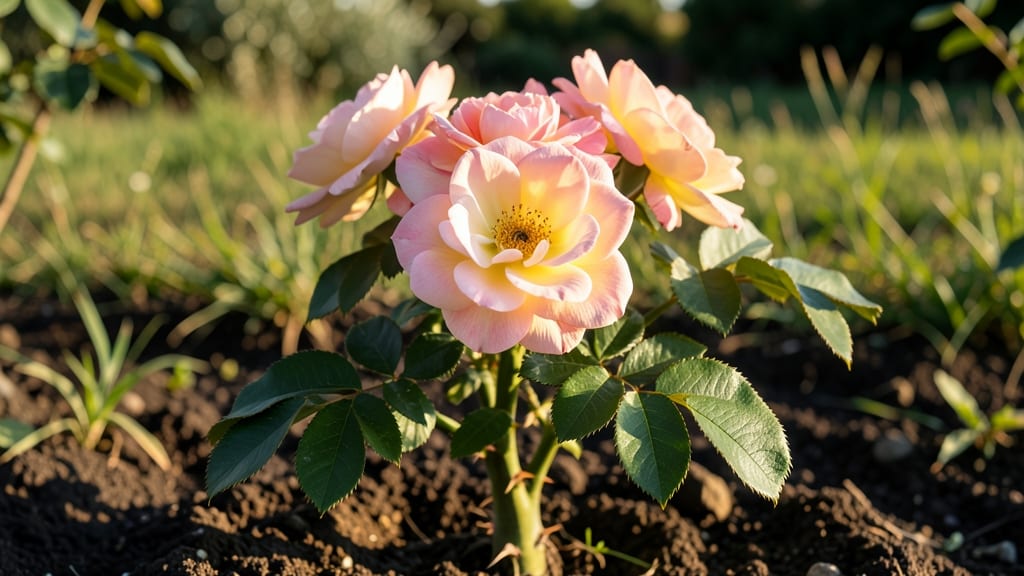
Your garden just got a bold splash of color with rainbow rose flowers—those dazzling climbers that turn heads in every season. 🌸 These aren’t your grandma’s roses; they’re a vibrant mix of pinks, reds, and whites that spill over containers like a living waterfall, perfect for adding drama to patios, trellises, or even old-fashioned garden arbors.
The secret to their show-stopping display? Pairing them with the right companions—think lavender for contrast, salvia for texture, or clematis for height variation. Together, they create a layered look that feels intentional, not accidental.
I’ve seen these roses steal the show in both formal and wildflower-style gardens, proving they’re the ultimate chameleon plant. By summer’s end, you’ll have a romantic, high-impact focal point that blooms nonstop from early June through frost.
The key is spacing them just right—12-18 inches apart in containers or along fences—so their canes intertwine beautifully without crowding. And yes, they’re just as stunning in pots as they are in the ground.
For extra flair, let them climb a vertical trellis or drape over a window box to frame your entryway. The possibilities are endless, and the payoff? A garden that feels like a postcard come to life—no green thumb required.
📚 In This Guide
- What you need
- Instructions
- Tips and common mistakes
- Wrapping up and next steps
What you need
- ● Rainbow rose plant (Rosa 'Rainbow') – Choose a healthy, well-established plant from a nursery. Look for one with vibrant, multi-colored blooms and sturdy canes.
- ● Container or pot – Select a 5-gallon or larger container (at least 12–18 inches deep) with drainage holes. Terracotta or fabric pots work well for airflow.
- ● High-quality potting mix – Use a well-draining blend (e.g., 60% potting soil + 30% perlite + 10% compost) to prevent root rot.
- ● Slow-release fertilizer – A balanced 10-10-10 or rose-specific formula (e.g., Osmocote or Miracle-Gro Rose Food) to nourish your climber.
- ○ Mulch (optional but recommended) – 2–3 inches of organic mulch (e.g., shredded bark or pine needles) to retain moisture and regulate soil temperature.
- ● Garden gloves – Protect your hands from thorns and soil.
- ● Trowel or small shovel – For planting and amending soil.
- ● Pruning shears – Keep your rose shapely and blooming with clean cuts.
- ● Support structure – A trellis, cage, or obelisk (3–6 feet tall) to guide the vine’s growth.
- ● Watering can or hose with nozzle – Roses love deep, consistent watering (1–2 gallons per week, depending on climate).
- ● Fungicide (preventative) – A copper-based or neem oil spray to ward off powdery mildew or black spot.
- ● Sunlight access – At least 6–8 hours of direct sunlight daily (morning sun is ideal to avoid scorching).
- ● Well-draining location – Avoid soggy spots; containers help control drainage.
- ● Patience for establishment – Rainbow roses may take 3–6 months to fully acclimate and bloom in containers.
Step-by-step guide to growing rainbow roses in containers
Here's how to cultivate these stunning climbers—vibrant, disease-resistant, and perfect for small spaces.
🪴 Step 1: Select the Right Container and Soil
Rainbow roses thrive in containers at least 18-24 inches deep with drainage holes—they hate soggy roots. I recommend terra cotta pots because they wick away excess moisture, preventing root rot. The container should be wide enough to accommodate the rose's mature spread (typically 2-3 feet for a single plant).
Use a well-draining potting mix—never garden soil. I blend 50% premium potting mix, 30% perlite, and 20% compost for aeration and nutrients. Fill the container to 1 inch below the rim, leaving room for watering. Tap the pot gently to settle the soil without compacting it—this ensures roots can penetrate easily.
🌱 Step 2: Plant the Bare-Root Rose Correctly
Soak the bare-root rose in lukewarm water for 1-2 hours before planting to rehydrate the roots. Remove any mushy or blackened roots—these are dead and will rot in the soil. Trim healthy roots to 6-8 inches to encourage a strong root system. This is the moment that matters: healthy roots = healthy plant.
Dig a hole in the center of the pot, twice as wide as the root ball but no deeper. Position the rose so the graft union (the swollen area near the base) sits 1-2 inches below the soil line. This protects the plant from temperature fluctuations. Backfill with soil, pressing gently to eliminate air pockets. Water deeply until it drains from the holes below.
☀️ Step 3: Provide Optimal Light and Support
Rainbow roses need full sun—at least 6-8 hours daily—to produce their signature vibrant blooms. Place the container in a south-facing spot or under grow lights if natural light is insufficient. You'll see leggy growth if light is inadequate—stems stretch and leaves pale out. Move the pot closer to the light source immediately if this happens.
Install a trellis, obelisk, or sturdy cage before planting to support the climbing habit. Tie the main stem to the support with soft plant ties as it grows. Avoid wire or plastic ties—they can damage the delicate stems. Prune any side shoots that form below the first 12 inches to encourage upward growth and more blooms.
💧 Step 4: Water and Fertilize for Continuous Blooms
Water deeply every 2-3 days until the top 2 inches of soil feel dry—rainbow roses are drought-tolerant but perform best with consistent moisture. Avoid wetting the foliage when watering to prevent fungal diseases like black spot. I use a drip irrigation system or water at the base early in the morning to allow leaves to dry quickly.
Feed with a balanced, water-soluble fertilizer (10-10-10) every 2 weeks during the growing season (spring to fall). Switch to a low-nitrogen, high-phosphorus fertilizer (5-10-10) when buds form to encourage blooming. Stop fertilizing in late summer to allow the plant to harden off for winter. Mulch with 2-3 inches of shredded bark to retain moisture and regulate soil temperature.
✂️ Step 5: Prune and Overwinter for Next Year’s Growth
Prune in early spring before new growth begins. Remove dead, diseased, or crossing branches first—these compete with healthy growth. Then, cut back the previous year’s growth by one-third, shaping the plant into an open vase form. This ensures air circulation and reduces disease risk. You’ll see fresh, green shoots emerging within 2-3 weeks—that’s your signal the plant is recovering.
For winter care, move the container to a protected location (like a garage or shed) if temperatures drop below 20°F. If left outdoors, wrap the pot in burlap and cover with straw or mulch to insulate roots. Reduce watering to once every 2-3 weeks—only enough to keep the soil slightly moist. Prune lightly in late winter to remove any frozen or damaged stems before new growth starts.
Tips & tricks for growing rainbow roses in containers
These essential insights will help you coax vibrant blooms from your rainbow roses—even in limited spaces.
Container Selection: If you're working with limited space, consider using fabric grow bags instead of traditional pots—they allow for better root aeration and can be hung on walls or fences. For larger containers, opt for self-watering pots with built-in reservoirs to maintain consistent moisture without overwatering. Remember, the 18-24 inch depth is non-negotiable for proper root development.
Root Preparation: That 1-2 hour soak in lukewarm water is crucial—it jumpstarts root activity and helps the plant recover from dormancy. Pro tip: Add 1 tablespoon of hydrogen peroxide (3%) to the water for 10 minutes before planting to sterilize roots and prevent fungal issues. This step is especially important if you're planting in late winter or early spring when fungal diseases are most prevalent.
Light Optimization: The 6-8 hours of full sun requirement is strict, but you can maximize light exposure with reflective surfaces. Place a white or silver reflective panel behind your container to bounce extra light onto the plant. For indoor growers, supplement with LED grow lights positioned 12-18 inches above the plant for 12-14 hours daily. You'll notice the difference in leaf color within just a few days.
Fertilizer Strategy: When switching to that 5-10-10 low-nitrogen fertilizer for blooming, apply it in the morning when the plant is actively photosynthesizing. Mix it with water at half-strength for the first application to avoid shocking the plant. I've found that adding 1 teaspoon of Epsom salt to the fertilizer solution every 4 weeks boosts magnesium levels, leading to more vibrant foliage and blooms.
Pro Tips for Rainbow Rose Flower
- These essential insights will help you coax vibrant blooms from your rainbow roses—even in limited spaces.
- Container Selection: If you're working with limited space, consider using fabric grow bags instead of traditional pots—they allow for better root aeration and can be hung on walls or fences.
- Root Preparation: That 1-2 hour soak in lukewarm water is crucial—it jumpstarts root activity and helps the plant recover from dormancy.
Frequently asked questions
Got questions about the stunning rainbow rose flower? You’re not alone! Here are some of the most common queries—plus quick, practical answers to help you grow this vibrant climber with confidence.
How do I keep my rainbow rose blooming all season?
Consistent care is key! Prune lightly after each bloom cycle to encourage new growth, and fertilize every 4–6 weeks with a balanced, rose-specific feed. Deadhead spent blooms regularly, and ensure it gets at least 6–8 hours of sunlight daily. Pro tip: Mulch around the base to retain moisture and protect roots from temperature swings.
How long does it take for a rainbow rose to flower after planting?
Patience pays off! With optimal conditions (sun, water, and soil), expect the first blooms 6–12 months after planting. Younger plants may take longer, but container-grown rainbow roses often bloom faster than those in the ground. Troubleshoot: If it’s past a year with no flowers, check for overcrowded roots or nutrient deficiencies.
Can I grow a rainbow rose in a container, and what size pot do I need?
Rainbow roses thrive in containers, but choose a pot at least 12–15 inches wide and deep to accommodate their sprawling roots. Ensure it has drainage holes and use a well-draining potting mix. Bonus: Containers let you move the plant to optimize sunlight or protect it from harsh weather.
Why are my rainbow rose leaves turning yellow?
Yellow leaves usually signal overwatering, underwatering, or nutrient issues. Check the soil—it should stay evenly moist but not soggy. If the yellowing starts at the edges, it’s often underwatering; if it’s uniform, overwatering or poor drainage may be the culprit. Test your soil pH (ideal: 6.0–6.5) and adjust fertilizer if needed.
Are rainbow roses fragrant, and do they attract pollinators?
Yes! While not as intensely fragrant as classic roses, rainbow roses emit a sweet, mild scent that’s especially noticeable in the morning. They’re also a pollinator magnet, drawing bees and butterflies with their vibrant blooms. Fun fact: Their unique petal colors (striped or bi-colored) make them a standout in gardens and containers.
What’s a good alternative if I can’t grow rainbow roses?
If your climate or space is tricky, try these container-friendly climbers with similar vibrancy:
- Clematis – Drought-tolerant with showy blooms (choose compact varieties).
- Morning Glory – Fast-growing annual with trumpet-shaped flowers.
- Passionflower – Exotic foliage and edible fruit (if you’re adventurous!).
- Honeysuckle – Fragrant and low-maintenance, great for trellises.
Wrapping up and next steps
The rainbow rose flower isn’t just a burst of color—it’s a low-maintenance, container-friendly superstar that brings joy with minimal effort. Whether you’re a seasoned gardener or a beginner, its vibrant blooms and hardy nature make it the perfect addition to patios, balconies, or even indoor spaces.
Ready to grow your own? Grab your supplies, follow the steps, and watch your space transform into a lively oasis. Happy gardening! 🌸💫