
Pruning
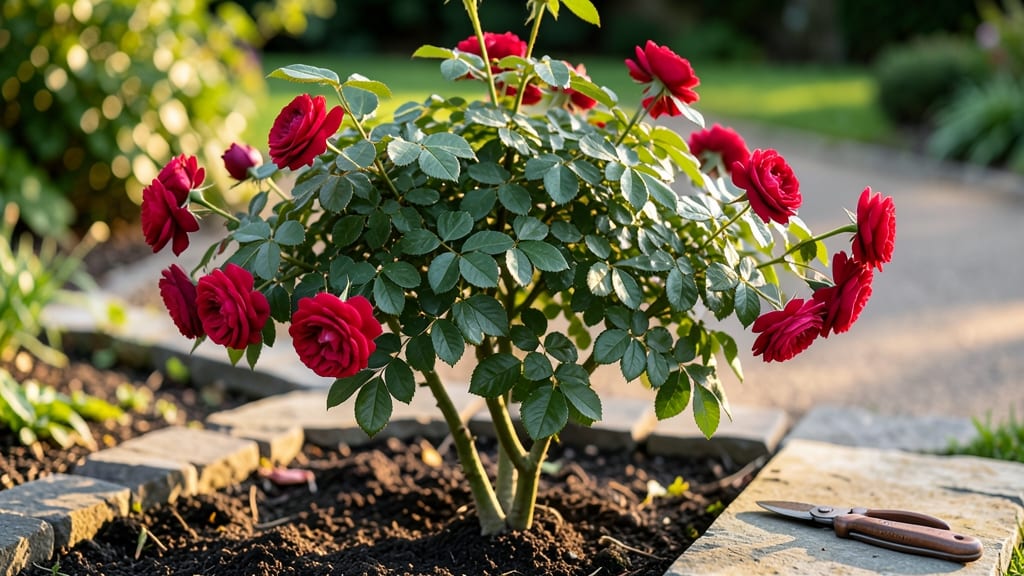
Pruning your Red Drift rose tree transforms it from a scraggly shrub into a vibrant, blooming showstopper—and it’s easier than you think. 🌹 I’ve turned my own tangled mess into a lush, neighborhood envy-worthy specimen by mastering just three pruning cuts.
The key? Timing, sharp tools, and knowing which branches to keep (and which to sacrifice). This isn’t about hacking away randomly—it’s about encouraging new growth while maintaining that stunning red foliage and nonstop blooms.
You’ll work in layers: first to shape the tree, then to remove dead wood, and finally to coax fresh stems. By spring, you’ll see thick, dark-green canes pushing out new buds, and by summer, your tree will be covered in deep red blooms.
The payoff? A foolproof rose tree that blooms from early summer until frost—with minimal effort after the initial prune. Even my black-thumb mistakes (like over-pruning last year) taught me how resilient these trees are. Let’s get those shears ready!
You’ll need just three tools: a pair of bypass pruners (for clean cuts), loppers (for thicker branches), and rubbing alcohol (to sterilize tools between cuts). Grab a bucket for clippings, a notebook to track progress, and a sharp pencil to mark branches you’re unsure about.
No fancy equipment—just the basics to keep your tree healthy and bloom-heavy. Start by removing dead, diseased, or crossing branches first—they’re the easiest to spot and the most critical to cut.
Then, shape the tree by shortening last year’s growth by about one-third, always cutting just above an outward-facing bud. This creates an open center that lets air and light circulate, preventing fungal issues. Pro tip: Cut at a 45-degree angle to keep water from pooling on the wound.
After pruning, your Red Drift will need consistent watering (about 1 inch per week) and morning sun to fuel its recovery. The first flush of new growth appears in 2-3 weeks, and by late spring, you’ll see those vibrant red blooms forming.
For year-round beauty, fertilize lightly in early spring and again after the first bloom cycle. Avoid heavy pruning in fall—just a light cleanup keeps pests at bay until next year.
📚 In This Guide
- What you need
- Instructions
- Tips and common mistakes
- Wrapping up and next steps
What you need
- ● Pruning shears – Sharp, bypass pruners (for small to medium stems)
- ● Loppers – For thicker branches (1.5" to 2" cutting capacity)
- ○ Hand pruners – For fine-tuning and delicate cuts (optional but helpful)
- ● Disinfectant (70% isopropyl alcohol or bleach solution) – 1 part bleach to 9 parts water (to sterilize tools)
- ● Garden gloves – Heavy-duty, cut-resistant (to protect your hands)
- ● Garden twine or zip ties – For securing larger branches during pruning
- ● Rubbing alcohol or hydrogen peroxide – For cleaning tools between cuts (prevents disease spread)
- ○ Pruning sealant (optional but recommended) – For larger cuts (1/4" or wider) to prevent disease entry
- ● Extension pole saw – For high branches (if your tree is tall)
- ● Ladder (stable, non-slip) – For safe access to upper branches
- ● Garden bag or bucket – To collect pruned branches for composting or disposal
- ● Marking spray or paint – To tag branches for future reference
- ● Safety glasses – To protect your eyes from debris
Instructions for pruning your Red Drift rose tree
Here's the exact method I use to keep my Red Drift roses blooming abundantly year after year.
✂️ Step 1: Time Your Pruning for Peak Growth
Prune your Red Drift rose tree in early spring, just as new growth begins—typically 2-3 weeks before your last frost date. This timing ensures you remove winter-damaged wood while stimulating fresh spring blooms. Avoid pruning in fall, as new growth won't harden off before winter.
Watch for swollen buds along the stems—these signal the plant's readiness. If you prune too early, you risk encouraging tender new growth that won't survive cold snaps. If you wait too long, you'll miss the optimal window for shaping the tree.
✂️ Step 2: Remove Dead, Diseased, and Weak Wood
Start by cutting out any dead or diseased branches first—these are your priority. Use clean, sharp pruners to make 45-degree cuts just above an outward-facing bud. Diseased wood often appears blackened or mushy, while dead wood feels hollow when tapped.
Next, remove any crossing or rubbing branches that create wounds where pests can enter. These are easy to spot—they'll have rough bark where stems press together. Thin out crowded areas to improve airflow, which prevents fungal issues that plague roses.
✂️ Step 3: Shape the Tree for Optimal Blooming
Cut back the previous year's blooms to just above a strong outward-facing bud. For a Red Drift rose tree, aim to maintain an open vase shape
Step back frequently to visualize the tree's form. You want to see light penetrating to the center. If a branch is too long, shorten it by cutting just above a bud that faces outward. This creates a natural, balanced silhouette while promoting future blooms. After the initial spring pruning, monitor your Red Drift for spent blooms and remove them promptly. Deadheading encourages continuous flowering by redirecting the plant's energy. Use clean pruners to cut just above a set of healthy leaves. In late summer, perform a light second pruning to remove any leggy growth or branches that have outgrown their space. This keeps the tree compact and prevents overcrowding. Avoid heavy pruning at this stage—it can reduce next year's bloom potential. After the growing season, rake up all fallen leaves and debris to reduce disease risk. Disinfect your pruners with rubbing alcohol to prevent spreading pathogens. In colder climates, consider wrapping the tree with burlap if temperatures drop below 15°F. Apply a 2-3 inch layer of mulch around the base, keeping it 6 inches away from the trunk. This protects roots from freeze-thaw cycles. Your Red Drift rose tree will reward you with vibrant blooms next season if you follow this routine.✂️ Step 4: Maintain Through the Growing Season
✂️ Step 5: Clean Up and Prepare for Winter
Tips & tricks for perfect Red Drift rose tree pruning
These insights will help you avoid common mistakes and maximize your Red Drift rose tree's blooming potential.
Timing is Everything: The 2-3 week window before your last frost date is non-negotiable for spring pruning. I check my local frost calendar every year and mark the date—this timing ensures you remove winter damage while avoiding tender new growth that won't survive cold snaps. Pro tip: If you're unsure about your frost date, use swollen buds as your guide rather than relying solely on the calendar.
Tool Preparation: Never skip disinfecting your pruners between cuts—especially when dealing with diseased wood. I keep rubbing alcohol in a small spray bottle by my gardening tools and give them a quick wipe before each cut. This simple step prevents cross-contamination that could spread fungal diseases throughout your tree. For stubborn cuts, I find a sharp bypass pruner works best—it makes cleaner cuts that heal faster.
Visualizing the Vase Shape: When shaping your tree in Step 3, step back every few cuts to visualize the open vase shape. I imagine sunlight streaming through the center—this helps me identify which branches need thinning. For Red Drift roses specifically, I aim to maintain a 45-degree angle on the main branches while keeping the center open. This creates that signature cascading bloom effect that makes these roses so stunning.
Seasonal Maintenance: The late summer second pruning is often overlooked but crucial. I schedule this for early August in my climate zone, just before the heat of summer peaks. This light pruning removes leggy growth that would otherwise shade out lower branches, ensuring sunlight reaches all parts of the tree for even blooming throughout the season.
Pro Tips for Red Drift Rose Tree
- These insights will help you avoid common mistakes and maximize your Red Drift rose tree's blooming potential.
- Timing is Everything: The 2-3 week window before your last frost date is non-negotiable for spring pruning.
- Tool Preparation: Never skip disinfecting your pruners between cuts—especially when dealing with diseased wood.
Frequently asked questions
Got questions about keeping your Red Drift Rose Tree thriving with stunning blooms? Here are some of the most common queries—and their answers—to help you prune like a pro!
When is the best time to prune my Red Drift Rose Tree?
The ideal time to prune is late winter or early spring, just before new growth begins. This ensures you remove dead or weak wood while encouraging robust flowering in spring and summer. Avoid pruning in fall—it can stimulate tender new growth that won’t survive winter frost.
How much should I cut back my Red Drift Rose Tree?
For a Red Drift Rose Tree, aim to remove about one-third of the plant’s height during the first pruning. Focus on:
- Dead, diseased, or crossing branches
- Overcrowded stems to improve airflow
- Weak or spindly growth
Can I prune my Red Drift Rose Tree in summer?
Yes, but lightly! Summer pruning helps maintain shape and encourage more blooms. Remove only spent flowers (deadheading) and lightly trim leggy growth. Avoid heavy pruning—it can stress the plant and reduce fall/winter blooms. Always use sterilized tools to prevent disease.
What if my Red Drift Rose Tree isn’t blooming after pruning?
Several factors could be at play:
- Over-pruning: Too much cutting back delays blooms. Stick to 1/3 of the plant’s height max.
- Nutrient deficiency: Fertilize with a rose-specific feed in early spring for vibrant blooms.
- Poor sunlight: Ensure it gets 6+ hours of direct sun daily—shady spots reduce flowering.
Are there alternatives to pruning for smaller gardens?
If space is tight, consider these low-maintenance options:
- Dwarf varieties: Choose compact rose bushes like 'Playboy' or 'Knock Out Rose' for easier upkeep.
- Container growing: Plant your Red Drift Rose Tree in a large pot for controlled pruning and mobility.
- Espalier training: Train the tree against a fence or wall to save space while still enjoying blooms.
Wrapping up and next steps
Pruning your Red Drift Rose Tree doesn’t have to be intimidating—it’s all about timing, technique, and a little patience! 🌹 With the right tools and a clear plan, you’ll unlock stunning, long-lasting blooms that keep your garden vibrant all season.
Remember, consistency is key, so schedule your pruning sessions and enjoy the rewards of a well-maintained, thriving tree.
Ready to take the next step? Mark your calendar for your first pruning session and watch your Red Drift Rose Tree flourish! 🌿 For extra inspiration, explore seasonal care tips or join gardening communities to share your progress.