
Pruning
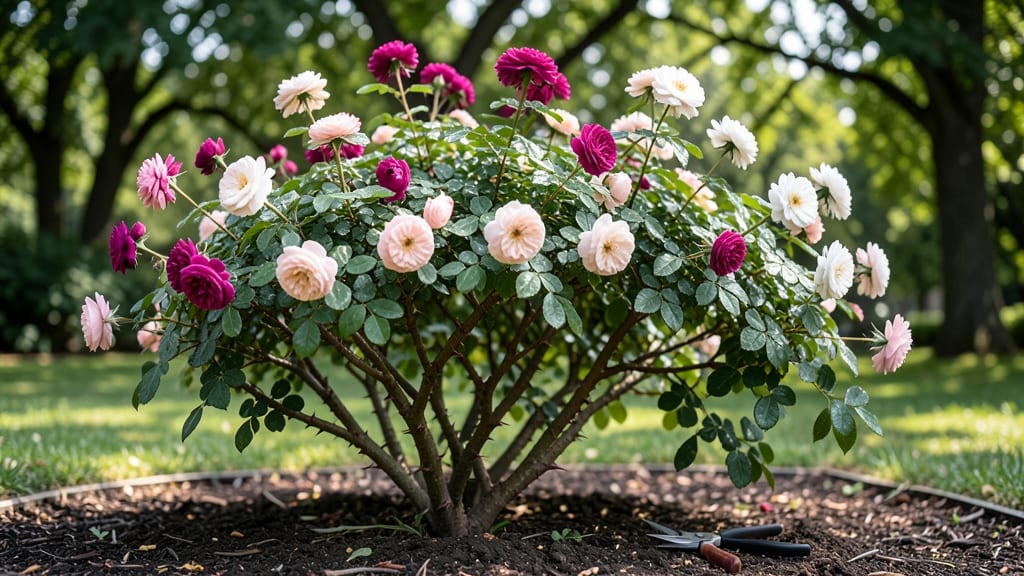
Pruning rose bush stems isn't just about cutting back—it's the secret to roses that bloom like crazy all season. ✂️ I used to dread the thought of touching my roses, but after mastering these three strategic trims, my bushes now produce hundreds of blooms from spring through frost.
The key is timing: late winter for structure, early summer for shape, and late summer for next year's flowers.
Most gardeners overcomplicate it by cutting too much or too little, but roses are surprisingly forgiving. You'll need sharp pruners, rubbing alcohol for sterilizing cuts, and a clear day to see what you're doing.
The goal is to open up the center for airflow (which prevents disease) while encouraging new growth where you want it. Think of it like giving your roses a haircut that makes them look their best—and bloom their hardest.
After just one season of proper pruning, you'll notice thicker stems, more flowers, and plants that look fuller without constant deadheading. The first trim in late winter removes dead wood and shapes the bush, while the summer trims keep things tidy and encourage late-season blooms.
It takes about 30 minutes per bush, and the payoff is worth every minute.
This method works for hybrid teas, floribundas, and shrub roses alike—no matter your climate or rose type. The only rule? Never prune in fall, as fresh growth won't harden off before winter. Now grab those shears and let's get to work!
📚 In This Guide
- What you need
- Instructions
- Tips and common mistakes
- Wrapping up and next steps
What you need
- ● Bypass Pruners: Sharp, clean pair (for clean cuts—avoid anvil pruners to prevent crushing stems).
- ● Loppers: For thicker stems (½"–1½" diameter)—look for bypass-style for precision.
- ● Garden Gloves: Heavy-duty, cut-resistant (roses have thorns!).
- ● Disinfectant: 70% isopropyl alcohol or bleach solution (1 part bleach : 9 parts water)—to sterilize tools between cuts.
- ● Rubbing Alcohol Wipes: For quick tool clean-ups during pruning.
- ○ Pruning Saw: Optional, for stems >1½"—choose a fine-toothed blade to avoid tearing.
- ● Pruning Sealant: For large cuts (>½")—helps prevent disease (e.g., pruning wax).
- ● Marking Twine or Flags: To tag stems for future reference (e.g., "keep" vs. "remove").
- ● Compost Bin: For collecting pruned stems—they’ll break down into nutrient-rich compost!
- ● Safety Glasses: If working near your face or eyes—thorns don’t play around!
- ● Know Your Rose Type: Hybrid teas, floribundas, climbers—they all need slightly different approaches!
- ● Weather Check: Prune on a dry, cloudy day (avoid wet or freezing conditions).
- ● Tool Sharpness: Test your pruners on a twig—if it crushes instead of cuts, sharpen first!
Instructions for pruning rose bush stems
Here's how to prune your roses for lush, repeat-blooming stems year after year.
✂️ Step 1: Prune for Spring Growth
Start in late winter or early spring when the plant is still dormant but buds have started to swell. This is your chance to shape the bush and encourage strong new growth. I always prune when the weather is dry and temperatures are above 40°F—cold snaps can stress freshly cut stems.
Make your first cuts just above an outward-facing bud, about ¼ inch above it. This ensures the new stem grows outward rather than inward, which keeps the center of the bush open and airy. Remove any dead, diseased, or crossing branches first—they compete for energy and invite pests. For each cut, aim for a 45-degree angle to shed water away from the wound.
Don't be afraid to cut back old wood by up to ⅓ of its height. Mature roses often have thick, woody stems that produce fewer blooms. You'll see fresh green shoots emerging within 2-3 weeks—that's your sign the pruning worked. If you're unsure which stems to keep, remember: thicker stems mean more blooms, so prioritize those.
☀️ Step 2: Light Summer Maintenance Pruning
After the first flush of blooms fades, it's time for a lighter trim to encourage a second round of flowers. Wait until you see spent blooms (those with brown, wilted petals) before pruning. This tells you the plant has finished its current bloom cycle and is ready for the next.
Use clean, sharp pruners to cut back to the first 5-leaflet leaf below the faded bloom. This leaves enough energy in the stem for new buds to form. Avoid cutting into old wood—you want to keep the growth vigorous and focused on new stems. If you notice any stems growing straight up without leaves, trim them back hard—they're likely "suckers" that won't produce flowers.
This is also the time to thin out crowded stems. If you see two stems growing in the same direction, remove the weaker one. You'll know it's weaker if it's thinner or has fewer leaves. After pruning, give the bush a good drink of water to help it recover and prevent stress.
✂️ Step 3: Late-Summer to Early Fall Cleanup
As summer winds down, focus on removing any stems that have finished blooming for the season. These stems won't produce new flowers and will only drain energy from the plant. Look for stems that have turned brown or have no new buds forming—they're ready to go.
Make your cuts just above a healthy bud, just like in the spring. This encourages any remaining dormant buds to push out new growth before winter. Avoid heavy pruning now—you don't want to stimulate new growth that won't have time to harden off before cold weather. Instead, focus on shaping and cleaning up.
This is also the time to remove any suckers or water sprouts that have appeared. These are fast-growing stems that shoot up from the base or along the main stems. While they might look vigorous, they won't produce flowers and will weaken the plant. Cut them off at the base. After this final trim, your rose bush should look tidy and ready for winter.
⏰ Step 4: Winter Preparation (Optional)
If you live in a region with harsh winters, you can give your roses a little extra protection by pruning out any weak or damaged stems in late fall. This reduces the amount of plant material that could be damaged by frost or snow. However, avoid heavy pruning—you don't want to stimulate new growth that could be killed by winter cold.
Instead, focus on removing any dead or diseased wood and thinning out the center of the bush to improve airflow. This helps prevent fungal diseases like black spot, which can overwinter in dense, wet foliage. After pruning, apply a 2-3 inch layer of mulch around the base of the plant to insulate the roots and retain moisture.
You'll know you've done a good job if the bush looks balanced and open. The goal is to create an environment where air circulates freely, reducing humidity and preventing disease. Come spring, you'll be rewarded with strong, healthy new growth and an abundance of blooms.
Tips & tricks for perfect rose bush stem pruning
These simple strategies will help you transform your rose bushes into blooming powerhouses with minimal effort.
Timing is Everything: The 40°F minimum temperature rule is non-negotiable for spring pruning—cold weather stresses freshly cut stems. If you're in a warmer climate, you can start pruning earlier, but always wait until buds begin to swell. I've seen roses pruned too early produce weak growth, so don't rush! The 2-3 week window for new shoots to appear is your confirmation that pruning worked.
The 45-Degree Angle Secret: That angled cut isn't just for looks—it helps water bead up and roll off, preventing rot. Use clean, sharp pruners (dull blades crush stems) and make cuts just above an outward-facing bud. Pro tip: Wipe your pruners with rubbing alcohol between cuts to prevent spreading disease. I learned this the hard way after losing a prized hybrid tea to black spot.
Bud Identification Made Easy: Healthy buds look plump and green, not shriveled or brown. In Step 1, look for buds that point outward—they'll grow into stems that create an open, airy center. If you're unsure which stems to keep, remember this rule: thicker stems = more blooms. I always prioritize stems that are pencil-sized or thicker over thin, wiry growth.
Seasonal Shape Check: After each pruning session, step back and look at your rose bush from all sides. It should look balanced, not lopsided. In late summer, focus on removing stems that have finished blooming—they're just taking energy from your plant. I keep a small notebook to track which stems produce the most blooms each season, so I know which to preserve.
Pro Tips for Rose Bush Stem
- These simple strategies will help you transform your rose bushes into blooming powerhouses with minimal effort.
- Timing is Everything: The 40°F minimum temperature rule is non-negotiable for spring pruning—cold weather stresses freshly cut stems.
- The 45-Degree Angle Secret: That angled cut isn't just for looks—it helps water bead up and roll off, preventing rot.
Frequently asked questions
Got questions about caring for your rose bush stems? You’re not alone! Here’s a quick guide to the most common concerns—so you can keep those blooms thriving year-round.
1. When is the best time to prune rose bush stems for maximum blooms?
The ideal times are early spring (just before new growth starts), mid-summer (after the first flush of blooms), and late fall (to prep for winter). Each trim serves a purpose: spring boosts growth, summer encourages reblooming, and fall removes weak stems. Pro tip: Avoid pruning in fall if your climate has mild winters—wait until late winter instead!
2. How do I know if I’m cutting rose bush stems at the right angle?
Always cut at a 45-degree angle, about ¼-inch above an outward-facing bud (the "eyes"). This angle helps water run off, preventing rot. Use clean, sharp pruners to avoid crushing stems. Visual cue: Imagine a "V" shape—your cut should follow it!
3. What should I do if my rose bush stems look mushy or oozy after pruning?
Mushy stems signal infection (often from bacteria or fungus). Act fast: Remove the affected stems immediately, sterilize your pruners with rubbing alcohol, and apply a fungicide. Avoid pruning in wet weather to prevent spread. Bonus: Mulch around the base to improve drainage!
4. Can I prune rose bush stems in winter, or will it harm the plant?
In cold climates, prune lightly in late winter (just before buds swell). Heavy winter pruning can stress the plant. In mild climates, prune in late fall to remove dead wood. Always check your USDA zone—if frost is likely, wait until spring!
5. Are there any alternatives to traditional pruning for rose bush stems?
Yes! For low-maintenance roses, try "deadheading" (snipping spent blooms) to encourage more flowers. You can also use the "crown pruning" method—cutting stems back to the base in early spring to rejuvenate old bushes. Just avoid drastic cuts if your rose is young or newly planted!
Still stumped? Drop your question below—we’re happy to help your roses flourish!
Wrapping up and next steps
Mastering the art of rose bush stem pruning is your ticket to a garden bursting with vibrant blooms year after year! 🌹 By following the three strategic trims—early spring, mid-summer, and late fall—you’ll encourage healthier growth, stronger stems, and stunning flowers.
Remember, confidence comes with practice, so don’t hesitate to grab those shears and get started!
Ready to transform your rose bushes? Start with one trim today—whether it’s shaping those leggy stems in spring or deadheading spent blooms in summer. Your future self (and your roses!) will thank you.