
Pruning
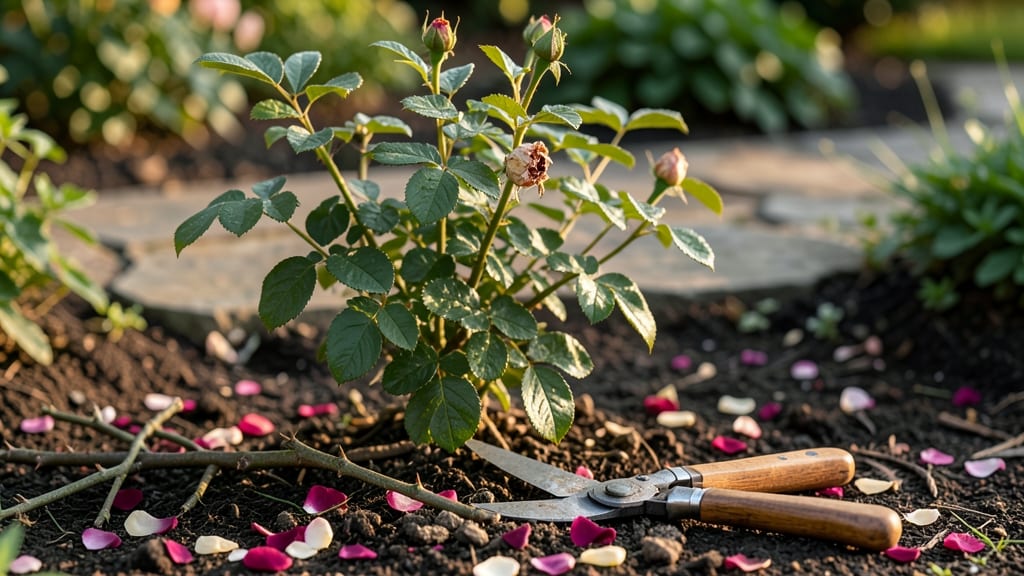
Fall’s the perfect time to transform your rose bushes from last year’s spent blooms into next year’s powerhouses—trimming back rose bushes in fall sets the stage for stronger growth and more flowers. 🌹 I’ve learned the hard way that skipping this step means leggy, disease-prone bushes that struggle to bounce back in spring.
The key is timing: wait until after your first frost when the leaves have fallen, but before winter dormancy sets in completely.
You’ll need sharp pruners (clean them with rubbing alcohol first!), a sturdy ladder if your bushes are tall, and a clear day to work. The goal is to cut back one-third of the plant’s height, removing dead, diseased, or crossing branches.
Look for outward-facing buds—they’ll become next year’s blooms. I like to make cuts just above a healthy bud at a 45-degree angle to encourage water runoff and prevent rot.
What you’ll end up with is a well-shaped, disease-resistant bush ready to weather winter. The fresh cuts seal quickly in cool air, and removing old growth eliminates hiding spots for pests and fungi.
By spring, you’ll see new shoots emerging within weeks, and the blooms come back bigger and more abundant than ever.
This method works for hybrid teas, floribundas, and shrub roses alike—just adjust the timing slightly for milder climates. Pair your pruning with a fresh layer of mulch and winter protection, and you’ve got a foolproof system for roses that thrive year after year.
Here’s how to do it right without the guesswork!
📚 In This Guide
- What you need
- Instructions
- Tips and common mistakes
- Wrapping up and next steps
What you need
- ● Pruning shears or loppers: Sharp, bypass-style blades (not anvil) to make clean cuts. Quantity: 1 pair (or 1 pair + 1 loppers for thicker stems). Spec: 6–8" handle length for easy grip.
- ● Disinfectant (rubbing alcohol or 10% bleach solution): To sterilize tools between cuts and prevent disease spread. Quantity: Small spray bottle or wipe.
- ○ Garden gloves: Heavy-duty, cut-resistant (optional but recommended for thorns!). Spec: Waterproof, breathable fabric.
- ● Rake or leaf blower: For clearing debris post-pruning. Spec: Adjustable head for tight spaces.
- ● Compost or mulch: To replenish soil after trimming. Quantity: 2–3 inches of organic matter per bush.
- ● Pruning saw: For thick, woody stems (1–2" diameter).
- ● Hand pruners with ratcheting mechanism: For stubborn cuts (great for large bushes).
- ● Garden twine or tags: To mark problem areas (e.g., dead wood) for follow-up.
- ● Knee pads or stool: For comfort if pruning large or sprawling bushes.
- ● Fungicide (copper-based): Proactive treatment if your roses are disease-prone.
Step-by-step guide to trimming back rose bushes in fall
Here's how to refresh your roses for a stronger, more vibrant next season—no guesswork, just clear steps.
✂️ Step 1: Remove Dead, Diseased, and Weak Growth
Start by stripping away everything that’s already dead or showing signs of disease. Look for brown, mushy stems or black spots—these are invitations for pests and rot. Cut these out first, using clean, sharp pruners. I always disinfect my tools with rubbing alcohol between cuts to prevent spreading any hidden pathogens.
Next, identify weak or spindly growth—those thin, pale stems that never produced blooms. These sap-suckers drain energy from your rose bush without giving back. Snip them at the base. You’ll know you’re on the right track when you’re left with sturdy, green canes that look healthy and full of promise.
✂️ Step 2: Cut Back Healthy Canes to the Right Height
Now focus on the healthy canes. For most rose varieties, aim to cut back to about 18-24 inches tall, leaving 3-5 strong buds on each remaining stem. These buds are like little promise notes—they’ll grow into next year’s blooms. Make your cuts just above an outward-facing bud, at a slight angle to keep water from pooling.
Here’s the thing—I know it seems counterintuitive to chop so much off, but this is how you force the plant to focus its energy on fewer, stronger stems. If your roses are particularly leggy, you might need to cut back even more aggressively. Just remember: you can’t over-prune in fall, but you can leave too much, which weakens the plant.
✂️ Step 3: Clean Up and Prepare for Winter
Once you’ve trimmed, gather all the clippings and dispose of them in a sealed bag. Don’t compost diseased material—it’s a fast track for next year’s problems. Next, give your rose bush a final lookover. Remove any remaining debris or dead leaves from the base, and consider applying a 2-3 inch layer of mulch around the plant (but not touching the stems) to protect roots from freezing.
This is also the time to check your pruners again—make sure they’re clean and sharp. A dull blade tears stems, leaving jagged wounds that invite infection. Store your tools in a dry place for next season. With the right cuts now, your roses will burst into bloom earlier and more abundantly next year.
Real talk: If you’re unsure about a cut, take a photo first. You can always go back and adjust later—roses are forgiving, but precision pays off.
Tips & tricks for perfect fall rose pruning
Common pitfalls—and how to sidestep every one—when giving your roses a fall makeover.
Tool Prep is Non-Negotiable: I’ve ruined more pruning sessions than I’d like to admit by skipping the tool prep. Before you even touch your first stem, disinfect your pruners with rubbing alcohol—this prevents spreading fungal spores from diseased canes to healthy ones. I keep a small bottle of 70% isopropyl alcohol in my gardening toolbox specifically for this. Also, check your blade sharpness: a dull blade crushes stems instead of making clean cuts, which invites infection.
Bud Counting Secret: When cutting back healthy canes to 18-24 inches with 3-5 buds remaining, focus on outward-facing buds. These grow away from the center of the plant, allowing better air circulation and sunlight penetration. I mark my cuts with a small piece of masking tape before snipping—this gives me a visual reference to verify I’m cutting in the right place. Pro tip: count buds from the base upward to ensure you’re leaving the correct number.
Winter Prep Beyond the Cuts: That 2-3 inch layer of mulch around your rose bush is your plant’s winter blanket. I use a mix of shredded bark and compost for moisture retention and insulation. But here’s what nobody tells you—leave a small gap between the mulch and the stem to prevent moisture buildup that can cause rot. Also, consider wrapping young or tender roses with burlap for extra protection against harsh winter winds.
The Photo Backup System: Confession: I skipped this step for years and wondered why my roses never looked quite right. Now I take a photo of each major cut before making it. This gives you a visual record to reference later if you’re unsure about a decision. I’ve used this trick to fix over-pruning mistakes and even track the plant’s growth patterns between seasons. Store photos in an album labeled by rose variety for easy reference next year.
Pro Tips for Trimming Back Rose Bushes In Fall
- Common pitfalls—and how to sidestep every one—when giving your roses a fall makeover.
- Tool Prep is Non-Negotiable: I’ve ruined more pruning sessions than I’d like to admit by skipping the tool prep.
- Bud Counting Secret: When cutting back healthy canes to 18-24 inches with 3-5 buds remaining, focus on outward-facing buds.
Frequently asked questions
Got questions about when, how, or why to trim your roses this fall? Here are some of the most common concerns—plus expert answers to help you prune with confidence!
When is the exact best time to trim roses in fall?
Trim roses after the first hard frost (when leaves turn brown and fall off) but before winter dormancy sets in—typically late October to early December, depending on your climate. Pro tip: Avoid trimming too early, as new growth can’t harden off before cold snaps!
Should I cut roses back all the way to the ground?
No! Prune to 12–18 inches tall (or 3–4 buds from the base) for hybrid teas and floribundas. Climbing roses need lighter cuts—just remove dead/diseased wood. Over-trimming stresses the plant; think "sculpture," not "stub"!
What if my roses have black spot or powdery mildew?
First, sterilize your pruners with rubbing alcohol. Remove all infected stems (they won’t regrow). Rake up fallen leaves, then apply a fungicide like neem oil. Bonus: Mulch heavily to prevent spores from overwintering!
Can I prune roses if rain is forecasted?
Wait for dry weather! Wet conditions spread disease and make cuts heal poorly. If you must prune, do it in the morning so wounds dry before evening dew. Rainy-day hack: Cover pruned bushes with a tarp to protect fresh cuts.
Do I need to trim roses every fall, or just some years?
Annual fall pruning keeps roses healthy, but young or newly planted roses (under 2 years old) only need light shaping. Skip heavy cuts if your roses bloomed poorly this year—they may need spring attention instead. Listen to your bushes!
Wrapping up and next steps
Trimming back your rose bushes in fall is the secret ingredient to vibrant blooms and healthier plants next season!
By removing dead or weak growth, you’re not just tidying up—you’re setting the stage for stronger roots, fewer pests, and stunning spring rebirths. 🌹 With the right tools and a little patience, your garden will thank you with bigger, brighter flowers in no time.
Ready to take action? Grab your pruners and schedule that fall trim—your roses (and future you) will be thrilled! For extra peace of mind, bookmark this guide or jot down your notes before stepping outside. Happy pruning!