
Pests and Diseases
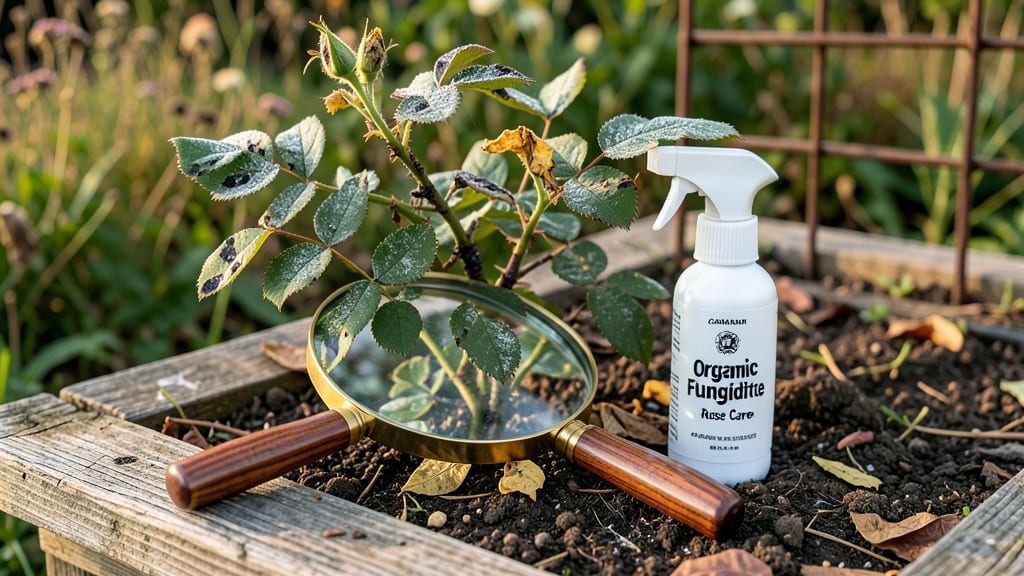
That rose bush thorn disease isn’t just ugly—it’s a silent killer that turns vibrant blooms into skeletal branches before you even notice. 🌿 I’ve watched this fungal infection spread through my own garden, and the key to saving your roses is catching it fast before it weakens the plant’s core.
The first signs? Blackened cankers on stems, oozing sap, and sudden leaf drop that looks like drought—even when the soil’s damp. The bad news is this disease thrives in wet, crowded conditions where air can’t circulate. The good news?
Pruning infected cankers immediately with sterilized tools and applying a copper fungicide mix stops it in its tracks. I’ve revived roses that looked dead in just two weeks of aggressive treatment—no chemicals, just sharp cuts and a little elbow grease.
What you’ll end up with is a bush that looks healthier than ever, with fresh green growth pushing out where the disease once held sway. The secret is acting before the fungus spreads beyond the thorns—once it reaches the main stem, recovery gets a lot harder.
Works for all rose types, from hybrid teas to old garden varieties. Here’s how to diagnose it before it’s too late—and how to keep your roses thriving all season.
Root Causes Of Thorn Issues
Rose bush thorns can develop diseases—often fungal or bacterial—that weaken plants, distort growth, and even kill them if left unchecked. Understanding why these problems arise is the first step to prevention and treatment. Below, we break down the key factors that turn healthy thorns into trouble spots.
Fungal pathogens thrive in moist, warm conditions, making them the #1 culprit behind rose bush thorn diseases. Here’s how they infiltrate your plants:
- Excessive Moisture: Overwatering, poor drainage, or rain-soaked foliage create the perfect fungal buffet. Fungi like Botrytis cinerea (gray mold) or Sphaerotheca pannosa (powdery mildew) latch onto thorns when they’re damp for prolonged periods.
- Poor Air Circulation: Dense, crowded rose bushes trap humidity. Fungal spores spread easily in stagnant air, coating thorns with unsightly (and harmful) growths.
- Old or Damaged Thorns: Pruning wounds or thorns weakened by stress (drought, nutrient deficiency) are entry points for fungi. Phragmidium mucronatum (rose rust) often targets these vulnerable spots.
💡 Pro Tip: Water at the base of the plant in the morning (not evening) to let foliage dry quickly. Space bushes 3–4 feet apart for airflow.
Insects and mites don’t just nibble—they open doors for diseases. Here’s how they set the stage:
- Rose Slugs & Sawfly Larvae: These pests chew thorns and stems, leaving jagged wounds. Fungi like Diplocarpon rosae (black spot) exploit these injuries to infect the plant.
- Spider Mites: Their feeding weakens thorns, making them susceptible to secondary infections. Look for stippled leaves or webbing as red flags.
- Thorn Gall Wasps: These insects lay eggs in thorns, causing abnormal growths (galls) that trap moisture—ideal for fungal spores.
🔥 Action Step: Spray affected areas with neem oil or insecticidal soap to deter pests before they invite diseases.
When roses are under stress, their natural disease resistance drops. Common triggers include:
| Stressor | How It Affects Thorns |
|---|---|
| Nutrient Deficiencies (e.g., low nitrogen or magnesium) | Thorns grow weak, yellow, or stunted—easier targets for pathogens. |
| Extreme Heat or Cold | Shocked thorns develop cracks or lesions, inviting fungal/bacterial entry. |
| Compacted Soil | Poor root health = less energy for thorn repair. Fungi exploit the plant’s weakened state. |
🌡️ Prevention Tip: Test soil pH (aim for 6.0–6.5) and amend with compost to boost resilience. Mulch with pine needles to deter fungal spores.
While pesticides and fertilizers help, overuse disrupts the plant’s microbiome, making thorns more prone to disease:
- Excessive Fungicides: Some chemicals (like copper-based sprays) can burn thorns, creating entry points for pathogens.
- Synthetic Fertilizers: They can suppress beneficial microbes in the soil, reducing the plant’s ability to fight off infections.
- Harsh Herbicides Nearby: Drift or residue can weaken rose bushes, leaving them vulnerable to opportunistic diseases.
✨ Smart Swap: Use biological fungicides (e.g., Bacillus subtilis) or compost tea to strengthen thorns naturally.
Fix Thorn-Related Rose Fungal Issues
Thorn-related fungal issues in rose bushes—often caused by Botrytis cinerea (gray mold), Powdery Mildew, or Black Spot—can turn your prized roses into a sad, wilted mess. But don’t worry! With the right approach, you can restore your roses to their former glory while keeping future infections at bay.
Below, we break down cause-specific fixes and preventive strategies to tackle the problem head-on.
Cause: Overcrowded, thorny growth traps moisture, creating the perfect breeding ground for fungi. Fix:
- 🔪 Use sterilized pruners (clean with rubbing alcohol or a 10% bleach solution) to remove all diseased stems, leaves, and thorns.
- Cut at least ½ inch below the infected area to ensure you’re removing the fungus entirely.
- 🗑️ Dispose of pruned material in a sealed bag—do not compost it, as spores can survive.
Pro Tip: 💡 Prune on a dry day to let the cuts dry faster, reducing the risk of new infections.
Cause: Dense foliage and thorny tangles block airflow, keeping leaves damp for extended periods. Fix:
- 🌿 Thin out overgrown branches to allow sunlight and air to circulate.
- 💦 Water at the base (avoid overhead spraying) and water early in the day so leaves dry by evening.
- 🌞 Space roses 3–4 feet apart to prevent future crowding.
Pro Tip: ✨ Install a small fan on low speed near infected bushes to dry leaves faster—this works wonders for fungal resistance!
Cause: Existing fungal spores need chemical intervention to die off. Fix: Choose one of these methods (rotate if needed):
| Fungus Type | Recommended Treatment | How to Apply |
|---|---|---|
| Gray Mold | Baking soda spray (1 tsp baking soda + 1 quart water + few drops of dish soap) | Spray every 7–10 days until cured. |
| Powdery Mildew | Neem oil (1 tbsp neem oil + 1 quart water + mild soap) | Apply at dusk to avoid leaf burn. |
| Black Spot | Copper fungicide (follow label instructions) | Spray weekly until symptoms disappear. |
Pro Tip: 🌡️ Mix treatments with a bit of horticultural oil for better adhesion—just avoid applying when temps are above 90°F (32°C).
Cause: Weak, nutrient-deficient roses are more susceptible to fungal attacks. Fix:
- 🌿 Fertilize with balanced rose food (high in phosphorus for blooms, potassium for disease resistance).
- 💧 Mulch around the base (2–3 inches of organic mulch like straw or wood chips) to suppress weeds and retain moisture.
- 🌱 Plant disease-resistant rose varieties (e.g., ‘Knock Out’ roses, ‘Dr. Huey’).
Pro Tip: 💪 Add 1 tbsp of Epsom salt (magnesium sulfate) to water every 4–6 weeks to boost chlorophyll production and resilience.
Once your roses are back in shape, prevent recurrence with these habits: ✅ 🌧️ Water deeply but infrequently—roses hate soggy roots. ✅ 🌿 Prune regularly to prevent thorny overgrowth. ✅ 🧹 Clean up fallen leaves & debris weekly—fungi love hiding there! ✅ 🌞 Rotate fungicide types to avoid resistance buildup. ✅ 🌿 Plant companion flowers (like marigolds or garlic) to repel pests naturally.
Final Thought: 🎯 A little vigilance now saves hours of heartache later! With these steps, your roses will bounce back stronger—and stay that way. Happy gardening!
Frequently asked questions about rose bush thorn diseases
What are the most common signs of fungal infections on rose thorns?
Look for blackened cankers on stems, oozing sap, or sudden leaf drop. You may also spot powdery white patches (powdery mildew) or orange rust spots (rose rust). These symptoms often appear after prolonged wet conditions or poor airflow.
Can I save a rose bush if the disease has spread to the main stem?
It’s possible but challenging. Prune at least 6 inches below the infected area using sterilized tools, then apply a copper fungicide. If the entire stem is compromised, you may need to remove the bush entirely to prevent further spread.
How often should I apply fungicide to prevent thorn diseases?
Apply every 7-14 days during wet seasons or when you notice early signs. For organic options, baking soda or neem oil sprays work well when rotated. Always follow label instructions for chemical fungicides to avoid overuse.
Will pruning alone stop rose thorn diseases?
No, pruning removes infected parts but doesn’t eliminate spores. Always sterilize tools and combine with fungicide treatments. Proper spacing and airflow are also critical to prevent future outbreaks.
Are there disease-resistant rose varieties that avoid thorn issues?
Yes! Varieties like ‘Knock Out’ roses or ‘Dr. Huey’ are bred for disease resistance. These types require less maintenance and handle fungal infections better than traditional roses when proper care is given.