
Pests and Diseases
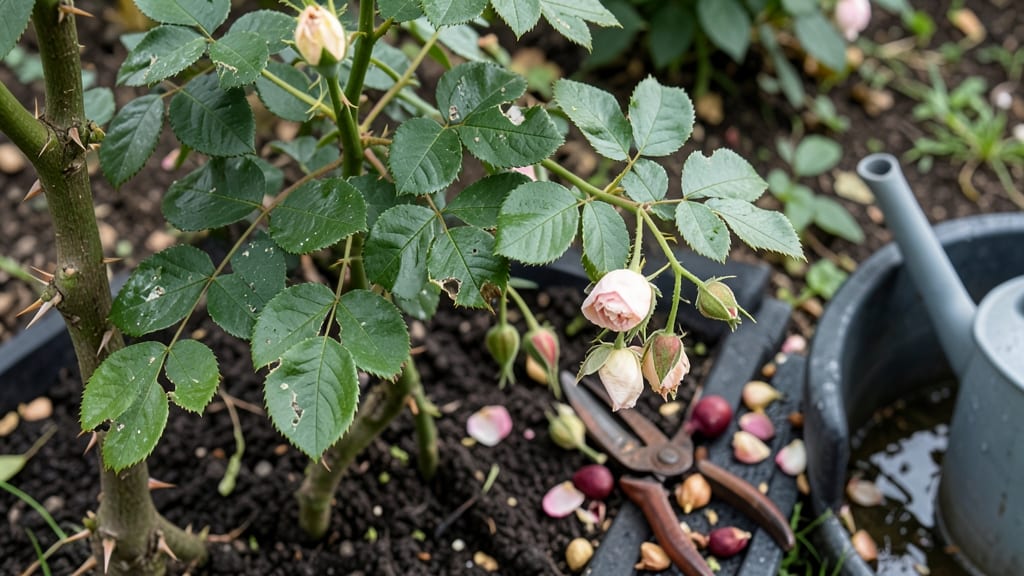
Something is eating your rose bush leaves, and the culprit is far more obvious than you think—those jagged edges or skeletonized foliage? 🌿 It’s not a disease—it’s hungry pests, and I’ve spent years tracking down the same ones eating my roses.
The good news? You can stop them in three targeted steps, without harsh chemicals.
Most damage comes from Japanese beetles (chewing notches), aphids (sticky residue), or slugs (glossy trails). I’ve learned to spot the clues: beetles leave behind a shiny, metallic sheen, while caterpillars create silky webs. The key is acting fast—once they move on, your roses rebound in 7-10 days with proper care.
Neem oil sprays work like magic on aphids and beetles, while diatomaceous earth stops slugs dead. Companion plants like garlic or marigolds act as natural repellents, and a simple soap spray tackles early infestations. I’ve even used row covers to protect new growth from voracious caterpillars.
Prevention is easier than cleanup: prune regularly, remove fallen leaves, and introduce ladybugs or praying mantises. My roses now stay lush all season, and the pests? They’ve learned to avoid my yard. Let’s get your roses back to their full glory.
Why it happens
If your once-lush rose bush now looks like it’s been through a buffet party, something’s definitely dining on its leaves—and it’s not your imagination. 🍂🐛 The damage isn’t random; it’s the result of specific pests, environmental triggers, or even plant stress signaling that your roses are vulnerable.
Understanding the why behind the nibbling is the first step to reclaiming your garden. Let’s break down the most common culprits and the science behind their leafy feasts.
Insects are the #1 reason rose leaves vanish overnight. These critters don’t just snack—they specialized in certain patterns, leaving behind telltale clues. Here’s how they do it:
- Japanese Beetles 🐞
These iridescent invaders skeletonize leaves—chewing the soft tissue between veins while leaving the framework intact. Their larvae, called grubs, also munch on roots, weakening the plant’s ability to support new foliage.
Why it happens: Beetles are drawn to roses’ volatile organic compounds (VOCs), which signal high-nitrogen, protein-rich leaves—basically, an all-you-can-eat buffet. 🍽️
- Rose Slugs (Sawfly Larvae) 🐛
These plump, green caterpillar-like pests roll up leaves into tubes and devour them from the inside out. Unlike beetles, they leave frass (poop) trails and skewed leaf edges.
Why it happens: Sawfly moths lay eggs on new growth in spring. The larvae thrive in warm, humid conditions, which accelerate their molting and appetite. 🌡️
- Aphids 🐜
These tiny, sap-sucking pests curl and distort leaves while excreting sticky honeydew, which attracts sooty mold. They cluster on undersides of leaves and multiply rapidly.
Why it happens: Aphids are plant virus vectors—they spread diseases like rose rosette virus while feeding. They’re also attracted to stressed plants (drought, over-fertilization) because stressed roses produce more sugars in their sap, making them tastier. 🍯
- Caterpillars (Tobacco Hornworm, Cabbage Looper) 🦋
Large, striped or smooth-bodied caterpillars leave irregular holes and frass piles. They’re often seen hanging from leaves during the day.
Why it happens: Moths lay eggs on roses after being lured by floral scents. Caterpillars prefer young, tender leaves because their chitinous exoskeletons are easier to digest when the plant’s cell walls are softer. 🌱
Not all leaf loss is from pests—sometimes, your roses are sending distress signals that make them more appealing to hungry critters. Here’s how stress opens the door:
| Stress Factor | Pest Attraction Boost | |
|---|---|---|
| Overwatering 💦 | Roots suffocate from poor drainage, leading to root rot and fungal growth. | Soft, waterlogged leaves are easier to chew and attract slugs and snails, which thrive in damp conditions. |
| Underwatering 🏜️ | Drought stress causes osmotic imbalances, making leaves dry and brittle. | Stressed roses produce more sugars in remaining leaves, drawing aphids and spider mites like a magnet. 🧲 |
| Nutrient Deficiencies 🌿 | Lack of nitrogen, phosphorus, or magnesium weakens cell walls. | Malnourished plants can’t produce defensive compounds (like tannins), making them more palatable to insects. |
| Fungal/Bacterial Infections 🍄 | Diseases like black spot or powdery mildew damage leaf tissue, creating entry points. | Infected leaves often rott faster, attracting beetles and caterpillars that feed on decaying matter. |
Pro tip: 💡 Healthy roses = less buffet traffic. Regularly check for yellowing leaves, stunted growth, or unusual spots—these are red flags that your plant’s immune system is compromised.
Sometimes, the problem isn’t the pest—it’s the perfect storm of conditions that turns your rose bush into a five-star restaurant. Here’s how nature conspires against your garden:
- Warm Nights + High Humidity 🌡️☁️
Why it happens: Many pests, like Japanese beetles and rose slugs, are nocturnal and heat-seeking. When nighttime temps stay above 70°F (21°C), they emerge en masse to feed. Humidity also slows leaf drying, keeping them turgid and juicy—ideal for chewing.
- Late Spring/Early Summer Blooms 🌸
Why it happens: Roses bloom when day lengths increase (longer sunlight = more energy for flowers). Unfortunately, this is also peak hatching season for beetles and sawflies. New growth is rich in nitrogen, making it a magnet for protein-hungry pests. 🍔
- Poor Air Circulation 🌬️
Why it happens: Dense foliage or overcrowded plants trap humidity and pest eggs. Stagnant air also slows evaporation, keeping leaves dewy and attractive to slugs and beetles. Plus, fungal spores thrive in these conditions, weakening the plant further.
- Companion Planting Gone Wrong 🌿
Quick Fixes for Chewed Rose Bush Leaves
If your rose bush leaves are looking like a buffet gone wrong, don’t panic—there’s a way to turn things around! The key is identifying the culprit and acting fast. Below, we’ve mapped out practical, step-by-step solutions for the most common leaf-munching pests, plus prevention tips to keep your roses thriving.
Let’s get your garden back to its glorious, thorny self!
These shiny green-and-copper beetles devour leaves in minutes, leaving behind a skeletonized mess. Here’s how to evict them:
🔥 Step 1: Handpick and Drown Them
- When? Early morning or late evening (they’re sluggish then).
- How? Fill a bucket with soapy water, shake beetles off leaves into it, and dispose of them immediately. Repeat daily for a week.
- Pro Tip: 💡 Use a shop vacuum on the lowest setting—it’s faster and less messy!
🍳 Step 2: Apply Natural Repellents
- Neem Oil Spray: Mix 1 tbsp neem oil + 1 tsp mild soap in 1 quart of water. Spray leaves every 3–4 days (avoid flowers to protect pollinators).
- Kaolin Clay: Sprinkle Surround WP (a clay-based powder) on leaves to create a barrier they hate. Reapply after rain.
🌡️ Prevention for Next Season
- Plant Traps: Grow rose rosiers, marigolds, or grapes nearby—the beetles will flock to them instead.
- Nematodes: Apply beneficial nematodes (Heterorhabditis bacteriophora) to the soil in late summer to kill their grubs.
These slimy pests leave large, irregular holes and silvery slime trails. Here’s how to outsmart them:
👨🍳 Step 1: Set Traps
- Beer Traps: Bury a shallow dish filled with beer near the bush. Slugs crawl in and drown overnight. Refresh every 2 days.
- Grit Barriers: Sprinkle diatomaceous earth (food-grade) or crushed eggshells in a 2-inch ring around the base. It dehydrates their bodies.
🥘 Step 2: Manual Removal
- Handpick at dusk with gloves (they’re most active then). Drop them in soapy water.
- Pro Tip: 🌡️ Use a flashlight with a red lens—slugs are drawn to red light but won’t see it as a threat.
🎯 Long-Term Defense
- Remove Hiding Spots: Clear debris, mulch, and dense ground covers where they hide.
- Copper Tape: Wrap copper tape around pots or the base of the bush—it gives them a mild electric shock when they touch it.
These microscopic pests suck sap, causing yellow stippling and webbing. Act fast—they multiply exponentially.
🔪 Step 1: Blast Them Off
- Strong Water Jet: Use a hose to knock them off leaves (do this in the morning so leaves dry quickly).
- Insecticidal Soap: Spray a 1% solution (like Safer® Brand) on both sides of leaves. Repeat every 5–7 days.
⏰ Step 2: Introduce Predators
- Ladybugs or Lacewings: Release beneficial insects (available at garden centers) to eat mites naturally.
- Predatory Mites: Phytoseiulus persimilis are mites that only eat spider mites. Release them in the evening.
✨ Prevention Tips
- Keep Plants Hydrated: Mites thrive in dry conditions—water deeply 2–3 times per week.
- Reflective Mulch: Use aluminum foil or silver plastic mulch to disorient them with light reflections.
These caterpillar-like larvae roll leaves into tubes, skeletonizing them from within. They’re hard to spot until it’s too late!
🍳 Step 1: Unroll and Destroy
- Check leaves daily for rolled-up sections. Drop them into soapy water immediately.
- Pro Tip: 💡 Look under leaves and in new growth—they love tender, young leaves.
🔥 Step 2: Use BT (Bacillus thuringiensis)
- Spray Bt kurstaki (a natural bacteria) directly on larvae. It’s safe for humans and pets but deadly to caterpillars.
🌡️ Prevention
- Early Monitoring: Inspect bushes weekly in spring/summer when they’re most active.
- Prune Strategically: Remove heavily infested leaves and dispose of them in sealed bags.
Remember: The faster you act, the faster your roses will bounce back. Most pests can be controlled with minimal chemicals—just stay consistent! For severe infestations, consider pyrethrin-based sprays (use sparingly and follow label instructions).
Frequently asked questions
Why do my rose bush leaves have jagged edges?
Jagged edges are usually caused by Japanese beetles or rose slugs. These pests chew along leaf edges, leaving behind uneven, notched patterns. Check the undersides of leaves for beetles or look for silvery slime trails from slugs at night.
How do I know if slugs or beetles are eating my roses?
Slugs leave glossy slime trails and irregular holes in leaves, while Japanese beetles create skeletonized patterns (chewed tissue between veins remains). Slugs are most active at night, while beetles appear during the day.
Will neem oil work on all rose pests?
Neem oil is effective against aphids, Japanese beetles, and spider mites, but it won’t stop slugs or caterpillars. For slugs, use diatomaceous earth or beer traps. For caterpillars, try Bacillus thuringiensis (Bt). Always apply neem oil in the evening to avoid harming bees.
Can I use coffee grounds to protect my roses?
Yes! Sprinkle used coffee grounds around the base of your rose bush—they repel slugs and add nitrogen to the soil. However, they won’t stop beetles or caterpillars. Mix with eggshells for extra protection against slugs. Refresh weekly after rain.
How long until my roses recover after pest control?
With proper treatment, roses typically show new growth in 7-10 days. Severe damage may take 4-6 weeks to fully recover, depending on the season. Keep the soil moist and fertilize lightly to support regrowth. Prune damaged leaves to encourage healthier foliage.