
Shrubs
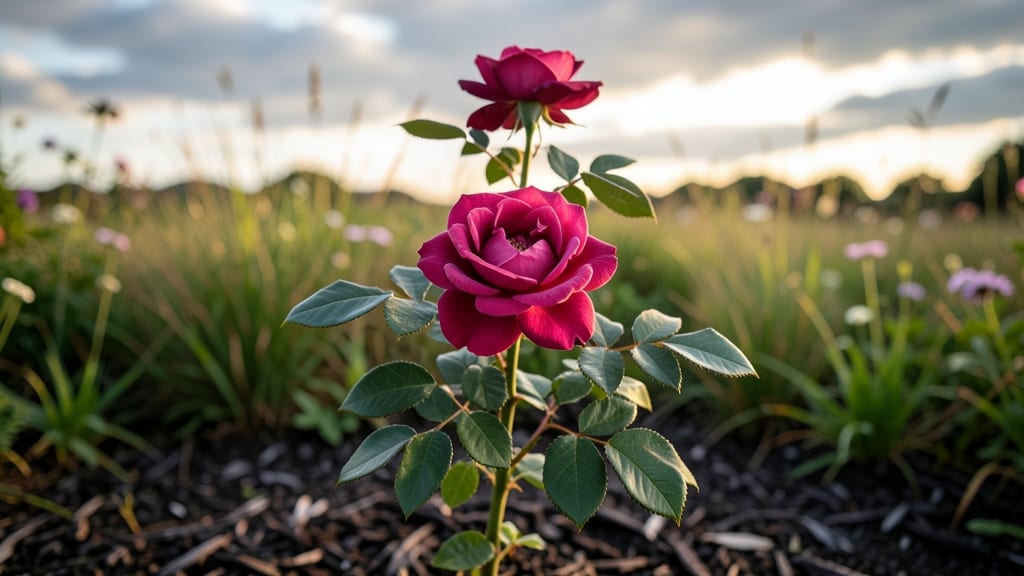
Growing the Duchess of Cornwall rose climber means your garden will smell like a spring morning for years to come. 🌸 This heirloom beauty produces clouds of fragrant, blush-pink blooms from early summer through frost, with just the right care.
Unlike many climbers, it thrives on neglect once established, making it perfect for busy gardeners who still want drama. The secret to success starts with full sun and well-draining soil—this rose rewards patience with vigorous growth and disease resistance.
Plant in early spring or fall, spacing vines 6-8 feet apart on a sturdy trellis or fence. Water deeply once a week (more in extreme heat) and mulch heavily to retain moisture and suppress weeds. Pruning is where most gardeners trip up, but it’s simpler than it seems.
Cut back 1/3 of the oldest stems each year in late winter, and remove any crossing branches to keep air circulating. The result? A lush, fragrant canopy that attracts hummingbirds and fills your garden with romance.
This variety handles pests better than most, but watch for black spot—prevent it with regular fungicide sprays in humid climates. With proper care, your Duchess of Cornwall will outperform store-bought climbers and become the star of your garden for decades.
📚 In This Guide
- What you need
- Instructions
- Tips and common mistakes
- Wrapping up and next steps
What you need
- ● Rosa 'Duchess of Cornwall' plant: 1 bare-root or container-grown climber (choose a healthy 1- to 2-year-old specimen for best establishment).
- ● Well-draining soil: Mix of 50% garden soil, 30% compost, and 20% perlite or coarse sand (10–15 gallons total).
- ● Support structure: Arbor, trellis, or fence (minimum 6–8 feet tall for optimal growth).
- ● Strong twine or garden ties (5–10 feet, 1/4-inch wide).
- ● Organic fertilizer: Balanced 10-10-10 or rose-specific formula (1 lb for planting, 1/2 lb every 6 weeks during growing season).
- ● Mulch: 2–3 inches of wood chips or straw (helps retain moisture and suppress weeds).
- ● Pruning shears: Bypass-style (sterilized with rubbing alcohol).
- ● Watering can or hose: With a gentle spray nozzle (1–2 gallons per watering session).
- ● Epsom salt: 1 tablespoon mixed into soil at planting (boosts magnesium for vibrant blooms).
- ● Rose food tablets: Slow-release granules for hassle-free feeding.
- ● Pest control: Neem oil spray (for aphids/mites) or ladybugs (natural predators).
- ● Decorative accents: Solar-powered garden lights or lattice panels for a whimsical touch.
Step-by-step guide to planting and cultivating rose 'Duchess of Cornwall'
This fragrant climber thrives with the right approach—here's how to grow it into a showstopping garden feature.
🪴 Step 1: Choose the Perfect Planting Location
Select a spot with full sun exposure (6-8 hours daily)—this rose loves basking in warmth. The 'Duchess of Cornwall' needs sturdy support, so install a trellis, arbor, or fence within 1-2 feet of the planting site before you begin. I always check the afternoon sun patterns first; afternoon shade helps prevent leaf scorch in hot climates.
Ensure the soil drains well—this rose hates soggy roots. If your garden soil is heavy clay, amend with 2-3 inches of compost mixed into the top 12 inches of soil. The ideal planting spot should also have 3-4 feet of clearance around the base for airflow and maintenance. Real talk: I've seen this rose struggle in tight spaces where air circulation was poor.
🌱 Step 2: Plant at the Right Time and Depth
Plant bare-root roses in early spring (after last frost) or fall (6-8 weeks before first frost). For container-grown roses, you can plant anytime the soil isn't frozen. Dig a hole twice as wide as the root ball but only as deep as the root flare—planting too deep suffocates the roots. I always loosen the roots gently before placing the plant in the hole.
Place the rose in the center of the hole, spreading the roots outward. Fill the hole with native soil, pressing lightly to remove air pockets. Water deeply to settle the soil around the roots. The top of the root ball should sit 1-2 inches below soil level—this prevents the graft union from being buried, which can weaken the plant. After watering, I add 2-3 inches of mulch around the base, keeping it 3 inches away from the stem.
☀️ Step 3: Establish Proper Watering and Fertilizing Routine
Water newly planted roses deeply 2-3 times per week until established (about 6-8 weeks). You'll know it's time when the soil feels damp 6 inches below the surface. Overhead watering can spread disease, so I always water at the base. Once established, reduce to 1 inch of water per week, including rainfall.
Fertilize in early spring with a balanced rose fertilizer (10-10-10), following package instructions. I apply a second feeding in early summer. Avoid high-nitrogen fertilizers—they produce lush foliage but fewer blooms. This rose rewards patience; I've seen it produce its signature fragrant blooms by mid-summer if given consistent care. Watch for new growth as a sign it's thriving.
✂️ Step 4: Prune for Health and Abundant Blooms
Prune in late winter or early spring before new growth begins. Remove any dead, diseased, or crossing branches first. Then cut back last year's growth by one-third to encourage new, vigorous growth. I always make cuts just above an outward-facing bud to promote bushier growth. Avoid heavy pruning in fall—it leaves the plant vulnerable to winter damage.
Deadhead spent blooms regularly to encourage continuous flowering. This rose produces clusters of fragrant blooms, and removing faded flowers redirects energy to new growth. I also prune lightly after each flush of blooms to maintain shape and air circulation. Never prune more than 25% of the plant at once—this keeps the rose healthy and productive. You'll see fresh, new shoots emerging within weeks of proper pruning.
🌿 Step 5: Protect and Maintain Through the Seasons
In winter, protect young plants with 4-6 inches of mulch and wrap the base with burlap if temperatures drop below 10°F. Mature roses are hardy but still benefit from a light covering in harsh winters. I always check for winter damage in early spring—look for brown, mushy stems as a sign of frost damage.
Monitor for pests like aphids or Japanese beetles, which love rose foliage. Spray with neem oil or insecticidal soap at the first sign of trouble. This rose is disease-resistant, but proper spacing and airflow prevent most issues. I've found that a weekly check for pests and early intervention keeps the plant thriving. With consistent care, your 'Duchess of Cornwall' will reward you with fragrant blooms from early summer through fall.
Tips & tricks for perfect rose 'Duchess of Cornwall' climber
Transforming your garden into a fragrant sanctuary with this elegant climber starts with these essential insights—learned from years of watching these roses thrive.
Location and Sunlight Strategy: While the instructions emphasize 6-8 hours of full sun, I've found that the afternoon sun (2-4 PM) is most critical for preventing leaf scorch. If your garden gets intense afternoon heat, consider planting near a structure that provides light afternoon shade—this rose will still flourish while looking healthier. The 3-4 feet of clearance mentioned isn't just about aesthetics; it's crucial for airflow that prevents fungal diseases like black spot.
Planting Depth and Root Care: The 1-2 inches below soil level recommendation for the root ball is non-negotiable—this prevents the graft union from being buried, which can lead to weak growth or even plant death. Here's what I do differently: after planting, I water thoroughly, then add 2-3 inches of mulch, but I always create a small mound around the stem to ensure water flows away from the base during heavy rains. This simple technique prevents root rot in heavy clay soils.
Watering Wisdom: The 2-3 times per week watering schedule works perfectly, but timing matters just as much. Water in the early morning so the foliage has all day to dry—this prevents fungal spores from settling on wet leaves. Once established, I've found that 1 inch of water per week is ideal, but I always check the soil moisture 6 inches deep with a trowel. If it's dry at that depth, it's time to water again.
Winter Protection Hack: For those 10°F nights, I've developed a two-layer protection system. First, I wrap the base with burlap, then add 4-6 inches of mulch on top. But here's the secret: I use straw instead of wood chips for mulching because it provides better insulation and breaks down more quickly in spring. This method has saved my roses from winter damage in zones where temperatures dip below freezing regularly.
Pro Tips for Rose Duchess Of Cornwall
- Transforming your garden into a fragrant sanctuary with this elegant climber starts with these essential insights—learned from years of watching these roses thrive.
- Location and Sunlight Strategy: While the instructions emphasize 6-8 hours of full sun, I've found that the afternoon sun (2-4 PM) is most critical for preventing leaf scorch.
- Planting Depth and Root Care: The 1-2 inches below soil level recommendation for the root ball is non-negotiable—this prevents the graft union from being buried, which can lead to weak growth or even plant death.
Frequently asked questions
Got questions about growing the Rose Duchess of Cornwall climber? You’re not alone!
This fragrant beauty deserves a little extra care, and we’ve got answers to the most common queries—from planting tips to troubleshooting. Let’s dive in!
When is the best time to plant Rose Duchess of Cornwall?
The ideal time to plant this climber is in early spring or early fall. This gives the roots time to establish before extreme weather hits. Avoid planting in mid-summer—heat stress can slow growth. If you’re in a mild climate, fall planting (September-October) works well too!
Can I grow Rose Duchess of Cornwall in a container?
Yes, but it’ll need a large, sturdy container (at least 15-20 gallons) with excellent drainage. Use a high-quality potting mix and prune regularly to control its vigorous growth. Containers work best in patios or small gardens, but expect to fertilize more often than in-ground plants.
How do I protect Rose Duchess of Cornwall from winter damage?
This rose is hardy to USDA Zone 5, but young plants or harsh winters may need extra care. Mulch the base with 3-4 inches of organic mulch (like straw or shredded bark) and wrap the canes loosely in burlap or frost cloth. Avoid heavy blankets, which can trap moisture and rot stems.
What pests should I watch for with Rose Duchess of Cornwall?
Common pests include aphids, spider mites, and rose slugs. For mild infestations, spray with neem oil or insecticidal soap. If pests persist, introduce beneficial insects like ladybugs or use systemic granules. Regularly inspect leaves and buds—early action keeps your rose thriving!
Why aren’t my Rose Duchess of Cornwall blooms fragrant?
Several factors can dull fragrance: over-fertilizing with high nitrogen (focus on balanced rose fertilizer), poor air circulation (prune for airflow), or stress from drought/overwatering. Deadhead spent blooms and ensure it gets 6+ hours of sunlight daily—this climber rewards care with intoxicating scent!
Wrapping up and next steps
The Rose Duchess of Cornwall isn’t just a stunning climber—it’s a year-round garden superstar, gracing your space with romantic blooms and lush foliage. Whether you’re a seasoned gardener or just starting, this fragrant beauty proves that elegance and ease go hand in hand.
Ready to transform your outdoor space? Grab your gloves, pick a sunny spot, and let the magic of this rose unfold! 🌸
Next step: Start with a healthy plant, follow the care tips, and watch your garden bloom with timeless charm. Happy gardening! 🌿