
Shrubs
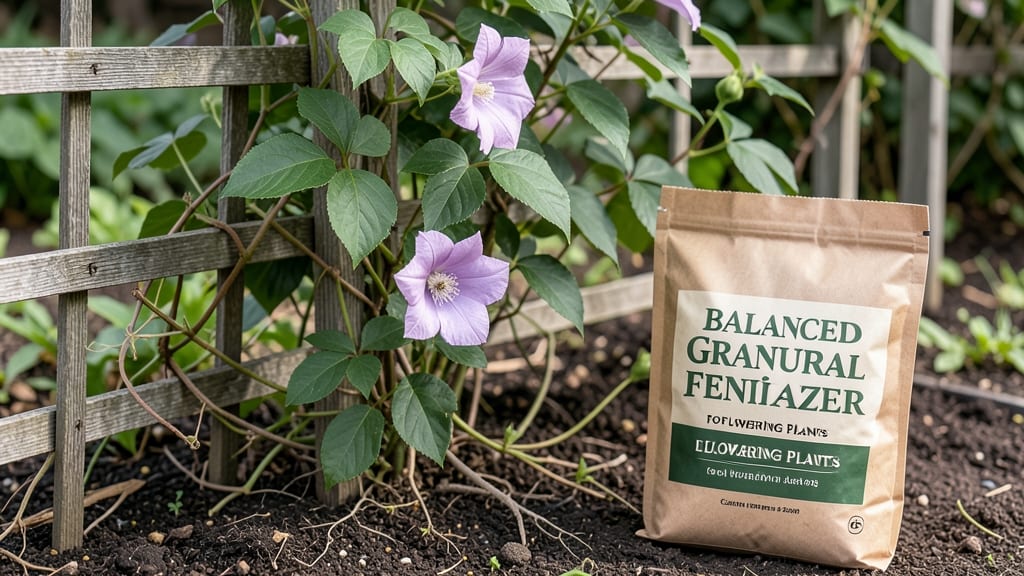
Feeding clematis with rose food requires a high-potassium fertilizer blend like 5-10-5 or 7-9-5 to encourage abundant blooms and strong vines, applied every 4-6 weeks during active growth. Organic alternatives such as fish emulsion or composted manure work well, but avoid nitrogen-heavy rose fertilizers that encourage leafy growth at the expense of flowers.
Clematis plants actually prefer the opposite of what roses need—too much nitrogen leads to weak stems and fewer blooms. 🌸 The key is balancing potassium (for flowers) with phosphorus (for root strength) while keeping nitrogen low.
I've found that organic options like bone meal or worm castings provide a gentler, more sustainable boost without risking salt buildup in the soil. For best results, always water thoroughly after applying fertilizer to prevent root burn.
Timing matters just as much as the formula. Start feeding in early spring as new growth appears, then continue every 6 weeks until mid-summer. This schedule prevents late-season growth that won't harden off before winter.
Pro tip: Mix a handful of wood ash into the soil before planting—it adds potassium naturally and improves drainage, which clematis vines absolutely love.
💡 In This Article
- Understanding Clematis Nutritional Needs vs Rose Fertilizer
- Seasonal Feeding Schedule for Clematis with Organic and Synthetic Options
Understanding clematis nutritional needs vs rose fertilizer
Clematis plants have fundamentally different nutritional needs than roses, which is why rose food can actually harm them if not carefully adjusted. 🌿 While roses thrive on nitrogen-heavy fertilizers (like 10-6-4 ratios) to produce lush foliage, clematis vines need potassium (the third number in NPK ratios) to fuel their energy-intensive blooming process.
Potassium helps regulate water movement within plant cells, which is critical for maintaining strong stems and preventing the fungal issues clematis is prone to—especially in humid climates.
The ideal fertilizer ratio for clematis is 5-10-5 or 7-9-5, where potassium (the last number) is equal to or slightly higher than nitrogen. This balance ensures the plant allocates energy toward flower production rather than excessive leaf growth.
For example, a 10-10-10 all-purpose fertilizer might seem balanced, but it contains too much nitrogen for clematis. The result? You'll end up with leafy vines but few blooms—a common mistake gardeners make when repurposing rose food.
What makes this even more interesting is how clematis vines grow: they're woody perennials that produce new growth from the base each year, while roses regenerate from multiple points. This growth pattern means clematis needs consistent potassium to support both the current season's blooms and next year's buds.
The phosphorus component (middle number) should be moderate—around 5-10%—to strengthen root systems without overstimulating top growth, which can make vines more susceptible to wind damage.
Here's where organic options shine: fish emulsion (typically 5-1-1 ratio) provides potassium while being gentle on soil microbes, whereas composted manure (around 0.5-0.1-0.5) adds organic matter that improves soil structure.
The key difference is that organic fertilizers release nutrients slowly, preventing the salt buildup that can occur with synthetic rose food. For instance, wood ash—a natural potassium source—can be sprinkled around the base in early spring, providing a 0.5-0-15 boost without nitrogen that would encourage unwanted foliage.
One visual clue that your clematis is getting the right nutrition is the color of new growth: healthy stems should be a vibrant green with no yellowing between veins, which indicates nitrogen deficiency. Meanwhile, dark green leaves with sparse blooms suggest too much nitrogen.
The flowers themselves should be plentiful and open fully—any sign of bud blast (where buds form but don't open) often points to potassium deficiency or fungal stress from improper feeding.
For gardeners in wet climates, this becomes even more critical. Excess nitrogen in rose food can lead to soft, succulent growth that's prime territory for fungal diseases like powdery mildew, which clematis vines are particularly susceptible to.
The high potassium in clematis-specific fertilizers actually helps strengthen cell walls, making the plants more resistant to these pathogens. This is why many organic growers recommend mixing a 1 tablespoon of greensand (a natural potassium source) into the planting hole—it provides long-term nutrition without the risk of over-fertilization.