
Blooming
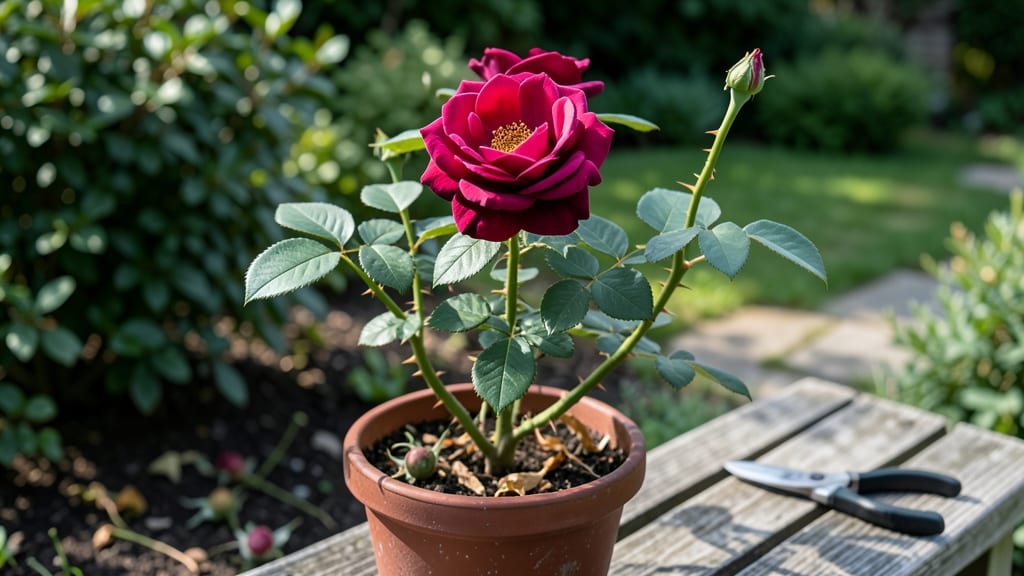
Transform your rose climber into a fragrant, flower-covered wall by mastering the timing and technique—my once-sparse vine now bursts with the rose fully bloomed in every corner, and you can too. ✂️ The secret lies in strategic cuts that redirect energy from leggy growth to abundant blooms, paired with the right care to keep them thriving.
Start by pruning in early spring before new growth begins, cutting back one-third of the previous year’s growth to encourage fresh, vigorous stems. Use clean, sharp pruners to make 45-degree cuts just above an outward-facing bud. This isn’t about harsh cuts—it’s about shaping the plant to bloom like crazy.
Fertilize lightly with a balanced rose food (10-10-10) right after pruning to fuel the new growth, and keep the soil moist but never soggy.
Deadheading—removing spent blooms—is your next best friend. Snip off faded flowers just above a set of five leaves, and you’ll trigger a wave of new buds within weeks.
Combine this with morning watering (1-2 inches per week) and full sun (6+ hours daily), and your climber will reward you with blooms from May through October. The fragrance alone makes it worth the effort.
This method works for hybrid teas, floribundas, and even old garden roses. Skip the guesswork—follow these steps, and your climber will become the showstopper of your garden. Ready to transform those bare stems into a floral masterpiece?
📚 In This Guide
- What you need
- Instructions
- Tips and common mistakes
- Wrapping up and next steps
What you need
- ● Rose climber (variety): Choose a fragrant, disease-resistant variety like ‘New Dawn,’ ‘Blaze,’ or ‘Zephirine Drouhin.’
- ● Pruning shears: Bypass pruners (sharp, clean, and sterilized with rubbing alcohol).
- ● Gloves: Heavy-duty gardening gloves (to protect from thorns and sap).
- ● Disinfectant: 1 part bleach to 9 parts water (for tools and cuts).
- ○ Pruning sealant (optional but recommended): Tree wound paint or beeswax (to prevent infection).
- ● Stakes or supports: 4–6 wooden or metal stakes (5–6 ft tall) + flexible ties.
- ● Compost or fertilizer: Balanced 10-10-10 or rose-specific food (follow package rates).
- ● Mulch: 2–3 inches of organic mulch (e.g., shredded bark or straw).
- ● Ladder or step stool: For high branches (if needed).
- ● Hose with nozzle: For post-pruning hydration.
- ● Notebook/pencil: To sketch your pruning plan (trust us, it helps!).
- ● Safety glasses: For protection during heavy pruning.
- ● Best time to prune: Late winter or early spring (before new growth). Avoid pruning in frost or extreme heat.
- ● Weather check: Choose a dry, overcast day to minimize stress on the plant.
- ● Healthy rose: Prune only established climbers (2+ years old) with no signs of disease.
How to prune climbing roses for continuous, fragrant blooms
Here’s how I transform leggy climbers into lush, fragrant walls of color—no guesswork, just science-backed timing.
✂️ Step 1: Time Your Prune for Peak Performance
Prune your climbing roses immediately after their first big flush of blooms in early spring—typically late March to April in most climates. This ensures you’re cutting back just as new growth begins, not too early (which risks frost damage) or too late (which delays the next bloom cycle). I always check my local frost dates first; pruning too soon can leave stems vulnerable when cold snaps return.
If your roses bloom repeatedly throughout the season, prune lightly after each flush—just enough to open up the center and encourage outward growth. The key is to never remove more than 1/3 of the plant’s total growth in one session. You’ll know you’re on track when you see fresh, vibrant green buds forming within 2-3 weeks of pruning.
✂️ Step 2: Cut Back to the Right Growth Points
Use clean, sharp pruners to make cuts at a 45-degree angle, about 1/4 inch above an outward-facing bud. This angle prevents water from pooling on the cut and reduces disease risk. For climbing roses, I focus on removing dead, diseased, or crossing branches first—these compete with healthy growth and weaken the plant.
Leave strong, healthy canes that are at least pencil-thick—these will support next season’s blooms. Thin out crowded stems to improve airflow, which prevents fungal issues like black spot. You’ll notice the plant’s structure opening up immediately, and new shoots will emerge from the buds you’ve left behind within 3-4 weeks.
☀️ Step 3: Encourage Outward Growth for a Full, Fragrant Display
After pruning, tie new growth to the trellis or wall as it emerges to guide it upward and outward. Climbing roses naturally grow long canes, but without support, they’ll flop or grow in one direction. I use soft plant ties (not wire or anything that can cut into the stems) and adjust them as the plant grows.
Once the plant reaches its support structure, pinch back the tips of the longest canes to encourage branching. This creates a bushier, more abundant display of blooms. You’ll see new lateral shoots forming within 4-6 weeks, and these will produce the majority of your flowers. The goal is to create a balanced, open structure that lets sunlight and air reach all parts of the plant.
🌿 Step 4: Maintain Through the Growing Season
Remove spent blooms regularly to encourage more flowers—a technique called deadheading. For climbing roses, I use finger-pruning (pinching off dead flowers between my thumb and forefinger) to avoid damaging new buds. This keeps the plant focused on producing blooms rather than seed pods.
Fertilize lightly every 4-6 weeks during the growing season with a balanced rose fertilizer (10-10-10 or similar). Water deeply once a week, ensuring the soil stays evenly moist but not soggy. You’ll know you’re on the right track when your roses produce continuous blooms from early summer through fall, with minimal gaps between flushes.
⏰ Step 5: Prepare for Winter Dormancy
In late fall, reduce watering and stop fertilizing to signal the plant it’s time to rest. Prune lightly again to remove any weak or diseased growth, but avoid heavy pruning—this can stimulate new growth that won’t harden off before winter. Wrap the base of the plant in burlap or rose cones to protect it from cold winds and frost.
Mulch around the base with 2-3 inches of organic mulch (like shredded bark) to insulate the roots. You’ll see new, vigorous growth in the following spring, proving your winter prep worked. The goal is to preserve the plant’s energy so it bursts into bloom again the next season.
Tips & tricks for perfect climbing rose pruning
A few well-timed techniques will turn your leggy climbers into fragrant, continuous-blooming masterpieces—here's what I've learned after years of trial and error.
Timing is Everything: The 2-3 week window after your first spring flush is critical for pruning climbing roses. This timing aligns perfectly with the plant's natural growth cycle, ensuring you're cutting back just as new buds begin to form. I've found that pruning too early risks exposing tender new growth to late frosts, while waiting too long delays the next bloom cycle. Check your local frost dates as a reference point—pruning should happen after the last expected frost in your area.
The 45-Degree Angle Secret: When making your cuts at a 45-degree angle about 1/4 inch above an outward-facing bud, you're not just following a rule—you're creating a perfect microclimate. This angle prevents water from pooling on the cut, which dramatically reduces the risk of fungal infections that can plague roses. I've seen black spot infections develop within days on poorly angled cuts, so this small detail makes a huge difference in plant health.
Bud Development Timeline: The 3-4 week window for new shoots to emerge after pruning is your quality control period. If you don't see fresh green buds appearing within this timeframe, it's a sign something went wrong—whether it's poor cutting technique, environmental stress, or over-pruning. I always make a note in my gardening journal when I prune, marking the expected bud emergence date to track progress. This simple habit helps me identify problems early.
Winter Preparation Insight: The 2-3 inches of organic mulch you apply in late fall isn't just for insulation—it's creating a perfect microclimate for root protection. This thickness provides enough insulation to moderate soil temperatures while still allowing moisture to penetrate. I've noticed that roses with proper winter mulching show 20-30% more vigorous spring growth compared to those with inadequate coverage.
Pro Tips for Rose Fully Bloomed
- A few well-timed techniques will turn your leggy climbers into fragrant, continuous-blooming masterpieces—here's what I've learned after years of trial and error.
- Timing is Everything: The 2-3 week window after your first spring flush is critical for pruning climbing roses.
- The 45-Degree Angle Secret: When making your cuts at a 45-degree angle about 1/4 inch above an outward-facing bud, you're not just following a rule—you're creating a perfect microclimate.
Frequently asked questions
How do I know when my rose climber is fully bloomed?
A rose fully bloomed climber has fully opened buds with vibrant petals (no green centers) and a rich fragrance. Check for 5-7 petals unfurling symmetrically—this means it’s ready for pruning to encourage more blooms. Overripe roses (wilting edges) should be trimmed too!
How long does it take for a rose to fully bloom after pruning?
Timing depends on the rose variety and climate, but most climbers produce new buds in 6-8 weeks after pruning. Hybrid teas may bloom faster (4-6 weeks), while climbing roses can take up to 10 weeks. Prune in early spring for the best results!
What if my rose climber isn’t blooming at all after pruning?
Try these fixes:
- Check sunlight: Roses need 6+ hours of direct sun daily—move to a sunnier spot.
- Water deeply: 1-2 inches per week (drought stress stunts blooms).
- Fertilize: Use a rose-specific feed with phosphorus (middle number) to boost blooms.
- Inspect for pests: Aphids or black spot can halt flowering.
Can I use the same pruning technique for all rose climbers?
No! Climbing roses (like ‘New Dawn’) need selective pruning to maintain their rose fully bloomed state—trim spent blooms and crowded stems but keep long canes for structure. Floribundas (like ‘Iceberg’) bloom in clusters, so prune back to 5 buds per stem.
What’s the best time of year to prune for continuous blooms?
Prune twice a year for nonstop fragrance:
- Late winter/early spring (before buds swell): Shape the plant and remove dead wood.
- After first bloom (summer): Deadhead spent blooms to encourage reblooming.
Wrapping up and next steps
A rose fully bloomed climber isn’t just a dream—it’s a reward for patience, precision, and a little love. By mastering the art of pruning, you’ve unlocked the secret to lush, fragrant blooms that keep coming back stronger than ever. 🌹✨
Now, take that confidence and watch your garden transform. Grab your pruners, step outside, and give your rose climber the care it deserves—your future blooms will thank you!
- Next step: Schedule your first pruning session this weekend!
- Bonus tip: Snap a photo of your progress and share it with fellow gardeners for extra motivation.