
Pruning
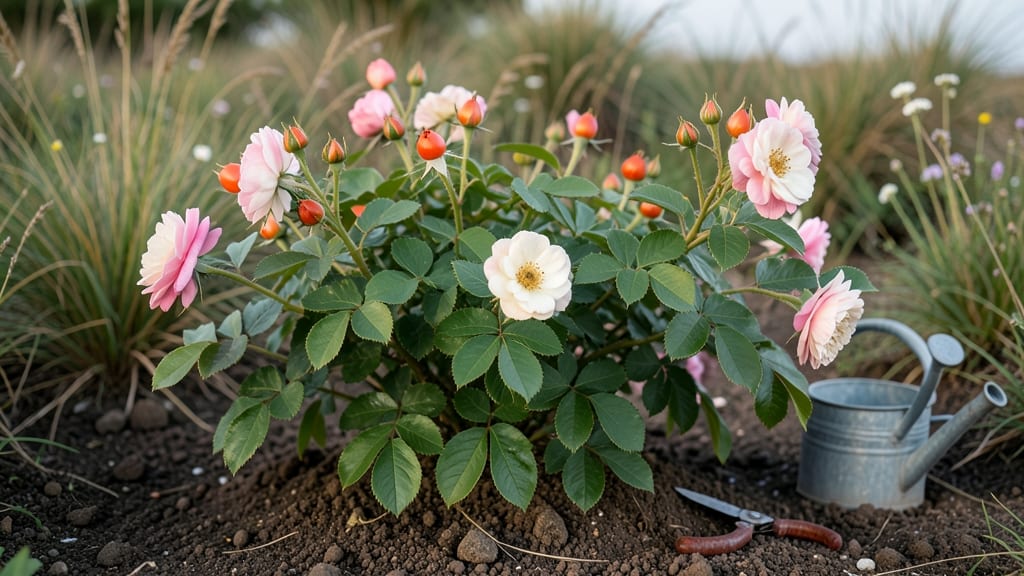
Your rose hip bush could be producing 30% more hips this year with just three targeted cuts. 🌿 I learned the hard way that pruning these tough bushes isn't just about shaping—it's about unlocking their full potential.
The right cuts in spring, summer, and winter transform a scraggly shrub into a dense, productive powerhouse that rewards you with both beauty and harvest.
Most gardeners stop at spring pruning, but rose hips thrive when you strategically thin them twice more—once to encourage branching and again to clean up winter damage.
My Rosa rugosa bush now stands 6 feet tall with vibrant pink blooms in May and bright orange hips by fall, all thanks to this simple routine. The best part? These cuts take less than 20 minutes per season.
You'll end up with healthier stems, more flowers, and a bush that resists disease better than unpruned plants. The hips stay plump and sweet, perfect for jams, teas, or wildlife snacks.
Even my black thumb can't mess this up—once you see how the bush responds, you'll wonder why you didn't prune sooner.
Works for Rosa canina, Rosa rugosa, and most ornamental rose hips. The same principles apply whether you're maintaining a small patio bush or a large landscape specimen. Let's get those shears out—your bush will thank you.
📚 In This Guide
- What you need
- Instructions
- Tips and common mistakes
- Wrapping up and next steps
What you need
- ● Pruning shears: Bypass pruners (sharp, clean, and sterilized to prevent disease). Recommended: Felco F-2 or similar (for precision cuts).
- ○ Loppers: For thicker branches (1–2 inches in diameter). Optional: Ratchet-style for extra leverage.
- ● Hand saw: Curved-tooth pruning saw for stubborn, woody stems (3–4 inches thick).
- ● Gloves: Heavy-duty, cut-resistant gloves (e.g., Mechanix or rose-pruning-specific). Pro tip: Thorns are sharp—protect your hands! 💡
- ● Disinfectant: 70% isopropyl alcohol or a 10% bleach solution (to sterilize tools between cuts).
- ○ Pruning sealant: Optional but helpful for large cuts (>½ inch) to prevent disease (e.g., Tanglefoot Tree Wound Pruning Seal).
- ● Weather check: Prune on a dry, overcast day (avoid wet or windy conditions). Ideal temp: 50–75°F.
- ● Safety gear: Safety glasses (to shield from debris) and long sleeves/pants (for thorn protection).
- ● Cleanup supplies: Heavy-duty trash bags (for pruned branches).
- ● Garden hose or bucket (to rinse tools post-pruning).
- ○ Optional: Ladder or step stool (if your bush is tall—rose hips can grow 6+ feet!).
- ● Marking spray (to label cuts for training or shaping).
Step-by-Step guide to pruning your rose hip bush
Here’s how I keep my rose hip bushes thriving year-round with just three key cuts.
✂️ Step 1: Late Winter Cleanup Cut (Timing Matters Most)
Prune your rose hip bush in late winter to early spring, just as new growth begins but before buds swell. This is the most critical cut—it sets the stage for the entire season. I always wait until the last hard frost has passed in my zone, because pruning too early can expose tender new growth to cold damage.
Start by removing dead, diseased, or crossing branches first. These are easy to spot—they’re brown, brittle, or growing inward toward the center of the bush. Use sharp pruners to make clean cuts at a 45-degree angle, about ¼ inch above an outward-facing bud. This encourages new growth to branch outward, improving airflow and sunlight penetration.
🌿 Step 2: Mid-Season Maintenance Prune (Encourage Bushy Growth)
About 6-8 weeks after flowering, give your rose hip bush a lighter prune to shape it and encourage dense growth. This is where you’ll shape the bush to your preference—whether that’s a rounded form or a more open, airy structure. I focus on removing weak, spindly stems and any branches that are growing too close together.
For each cut, aim to leave 3-5 strong buds on the remaining stem. This ensures the bush stays compact and produces more hips. Avoid heavy pruning now—just light shaping. You’ll know you’re on the right track if the bush looks fuller and more balanced after this step.
✂️ Step 3: Post-Harvest Renewal Prune (Prep for Next Season)
After harvesting rose hips in late fall, do a final light prune to remove any remaining dead or weak growth. This isn’t about drastic shaping—just tidying up. I also take this chance to thin out overcrowded branches to improve airflow, which reduces the risk of fungal diseases.
Leave any dormant canes that look healthy—they’ll produce new growth in spring. If you’re in a colder climate, you can also cut back any canes that were damaged by frost. Just avoid heavy pruning now, as the bush needs to harden off for winter. A quick cleanup is all it takes to keep your rose hip bush healthy through the cold months.
⏰ Step 4: Seasonal Check-In (When to Skip Pruning)
There are two times you should never prune your rose hip bush: during active flowering (spring to early summer) and in the dead of winter (when the plant is fully dormant). Pruning during flowering removes potential hips, while winter pruning can stress the plant before it’s ready to grow again.
Instead, use these times to observe your bush. Look for signs of pests, disease, or winter damage. If you notice any issues, make a note to address them during your next scheduled prune. This proactive approach keeps your rose hip bush healthy without unnecessary stress.
Tips & tricks for perfect rose hip bush pruning
Confession: I spent years pruning my rose hip bushes without really understanding the why behind each cut. Here's what nobody tells you about keeping your bushes thriving.
Timing is Everything: The late winter to early spring window is non-negotiable for Step 1. I learned this the hard way after pruning too early in Zone 6—my tender new growth got frostbitten. Check your local frost dates and wait until you've had at least 3 consecutive days above freezing. For Step 2, mark your calendar 6-8 weeks after flowering since this timing varies by climate and variety.
The 45-Degree Angle Secret: When making cuts in Step 1, that angled cut isn't just for looks—it creates a natural water runoff path that prevents fungal infections. I use a simple trick: hold your pruners at a 45-degree angle and visualize a small triangle of bark remaining on the underside of the cut. This tiny detail makes all the difference in plant health.
Bud Count Matters: In Step 2, leaving 3-5 strong buds per stem isn't arbitrary—it's based on rose hip bush biology. Each bud has the potential to become a new branch with hips. Too few buds means sparse growth; too many creates overcrowding. I count buds by gently squeezing the stem—they'll feel like tiny bumps under your fingers.
Fall Cleanup Strategy: During your Step 3 post-harvest prune, focus on removing branches thinner than a pencil. These won't produce significant growth and just compete with stronger canes. I bundle all my prunings and compost them immediately to prevent disease spread—never leave cuttings lying around the base of the plant.
Pro Tips for Rose Hip Bush
- Confession: I spent years pruning my rose hip bushes without really understanding the why behind each cut.
- Timing is Everything: The late winter to early spring window is non-negotiable for Step 1.
- The 45-Degree Angle Secret: When making cuts in Step 1, that angled cut isn't just for looks—it creates a natural water runoff path that prevents fungal infections.
Frequently asked questions
Got questions about keeping your rose hip bush thriving with strategic pruning? Here are some of the most common concerns—plus quick answers to keep your plant happy year-round!
When is the best time to prune a rose hip bush?
Prune your rose hip bush in three key windows: late winter/early spring (before new growth), summer (after flowering), and fall (to shape and remove dead wood). Avoid pruning in extreme cold or heat—wait for mild weather to minimize stress on the plant.
How much can I cut back a rose hip bush?
You can safely remove up to ⅓ of the plant’s total growth in one session, but avoid over-pruning. For rose hips, focus on thinning crowded branches and removing dead/diseased wood. Never cut into old wood—new growth emerges from the current year’s stems.
What if my rose hip bush isn’t flowering?
Lack of flowers often means over-pruning or poor sunlight. Ensure your bush gets 6+ hours of sun daily and prune lightly to encourage blooms. If it’s young, be patient—some varieties take 2–3 years to flower. Fertilize lightly in spring with balanced 10-10-10 if needed.
Can I prune a rose hip bush in fall?
Yes! Fall pruning (after leaf drop) helps shape the bush and removes weak growth before winter. Just avoid heavy cuts—focus on deadheading spent blooms and thinning to improve airflow. Stop pruning by late October to let the plant harden off for winter.
Are there alternatives to pruning rose hip bushes?
If pruning feels overwhelming, try selective thinning (removing only the worst branches) or mulching to protect roots. For organic control, hand-pull suckers at the base. Just remember—regular pruning keeps the bush healthier and more productive long-term!
Wrapping up and next steps
Pruning your rose hip bush isn’t just about aesthetics—it’s a year-round investment in its health, vigor, and bounty! 🌿 By mastering the three strategic cuts (early spring, post-bloom, and late fall), you’ll encourage stronger growth, better fruit production, and a tidier landscape.
Whether you’re a seasoned gardener or just starting, these simple steps make maintenance effortless and rewarding.
Ready to transform your rose hip bush into a thriving, low-maintenance star? Grab your pruners, roll up your sleeves, and start with just one cut this season! Your future self—and those juicy rose hips—will thank you. 🌟