
Shrubs
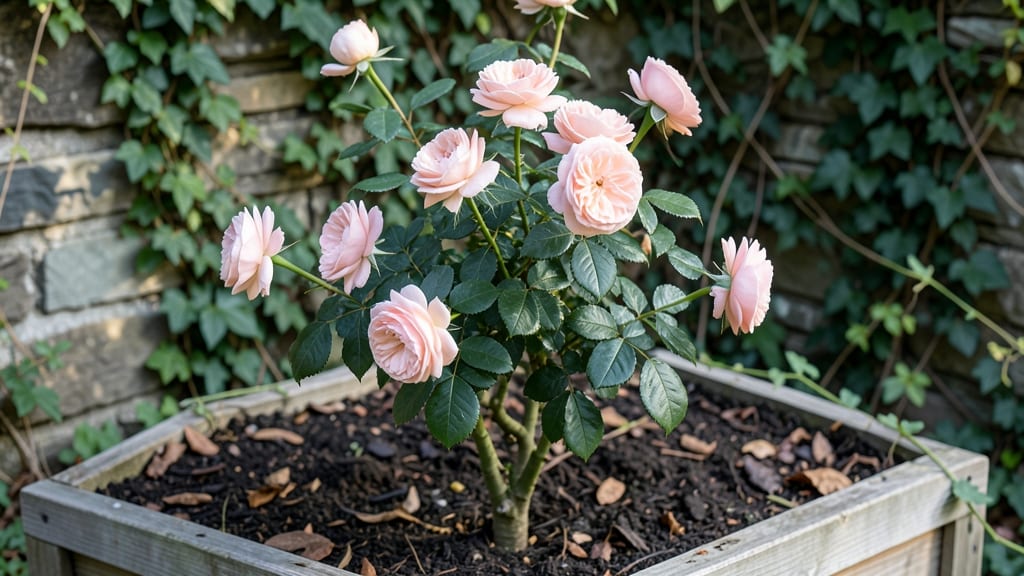
Roses in Vietnam thrive best with heat-resistant varieties like David Austin English roses or hybrid teas, planted in well-draining soil with morning sun and afternoon shade to prevent wilting. Prune aggressively in late winter and mulch heavily to retain moisture in the humid tropical climate.
Vietnam's tropical climate demands special care for roses—high humidity and intense sun require varieties that can handle both heat and moisture without stress. 🌿 The key is choosing roses bred for warmth, like Knock Out roses, which bloom continuously and resist fungal diseases common in monsoon seasons.
I’ve found that local nurseries often carry these varieties, making them easier to source than you’d expect. Proper soil preparation with compost and sand ensures drainage, while mulching helps lock in moisture during dry spells.
What sets Vietnamese rose gardening apart is the balance between sun exposure and shade. Too much direct afternoon sun can scorch leaves, but too little light weakens growth. The solution?
Plant roses where they get bright morning light and gentle afternoon shade from nearby trees or structures. This approach mimics the natural dappled light found in Vietnam’s lush landscapes.
For those just starting, I recommend beginning with hybrid teas—they’re forgiving and produce stunning blooms. Just remember: regular pruning keeps them healthy, and local gardening groups often share tips on managing pests like aphids, which thrive in Vietnam’s warm, damp conditions. 🌸
💡 In This Article
- Vietnam’s Climate and Soil Needs for Successful Rose Cultivation
- Top Heat-Resistant Rose Varieties for Vietnamese Gardens
Vietnam’s climate and soil needs for successful rose cultivation
Vietnam’s tropical climate—with its high humidity (70-90%) and intense afternoon sun—creates a double challenge for roses.
The heat accelerates water loss through leaves, while humidity promotes fungal diseases like powdery mildew, which thrives when leaves stay damp for extended periods. 🌡️ The key is selecting varieties with thick, waxy leaf coatings (like Knock Out roses) that reduce water evaporation and naturally repel fungal spores.
These roses also have stronger root systems that anchor deeper into the soil, accessing moisture during Vietnam’s dry season months (February-May).
The ideal soil for Vietnamese roses combines 60% compost, 30% sand, and 10% perlite to create a loose, well-draining mix with a pH between 6.0–6.5. Local red laterite soil (common in Central Vietnam) often needs amendment with organic matter—think coconut coir or rice husk charcoal—to prevent compaction.
During monsoon season (June-October), raised beds with 15-20 cm of organic mulch help prevent waterlogging, which can suffocate roots and invite root rot. I’ve seen successful gardens in Da Lat use volcanic rock mulch, which not only retains moisture but also slowly releases minerals as it breaks down.
Fungal diseases are the biggest threat in Vietnam’s climate, and prevention starts with proper air circulation. Spacing plants 30-45 cm apart creates airflow between canes, while pruning to an open-center shape (rather than a tight bush) reduces shaded, humid microclimates where spores thrive.
A 1% copper sulfate spray applied every 4-6 weeks during rainy season acts as both a preventive and curative for early signs of mildew. The spray’s slight acidity also helps maintain soil pH in the optimal range for nutrient uptake.
Watering strategy makes all the difference in Vietnam’s heat. Instead of daily light sprinkles, roses here thrive with deep watering 2-3 times per week at dawn, allowing foliage to dry completely before afternoon humidity peaks.
Drip irrigation systems (common in commercial Vietnamese rose farms) deliver water directly to roots while keeping leaves dry—a critical factor for disease prevention. For home gardeners, soaker hoses placed at the base of plants achieve similar results with minimal effort.
One surprising adaptation I’ve noticed in Vietnamese rose gardens is the use of neem oil mixed with water (1:10 ratio) as both a fungicide and insect repellent. Neem’s natural compounds disrupt fungal cell membranes while deterring pests like aphids, which are drawn to roses’ tender new growth.
The oil also has a mild antimicrobial effect, reducing the buildup of harmful bacteria in the soil during Vietnam’s warm, wet months. Apply it in the late afternoon when temperatures drop below 32°C to prevent leaf burn.
For those growing roses in Vietnam’s coastal regions (like Ho Chi Minh City), salt spray becomes an additional challenge. Flushing soil with fresh water monthly helps remove accumulated salts, while planting roses slightly inland (at least 50 meters from the shore) reduces exposure.
In these areas, I recommend choosing salt-tolerant varieties like Rosa rugosa, which naturally excrete excess salts through their leaves—a process called salt excretion that protects other plantings nearby.