
Shrubs
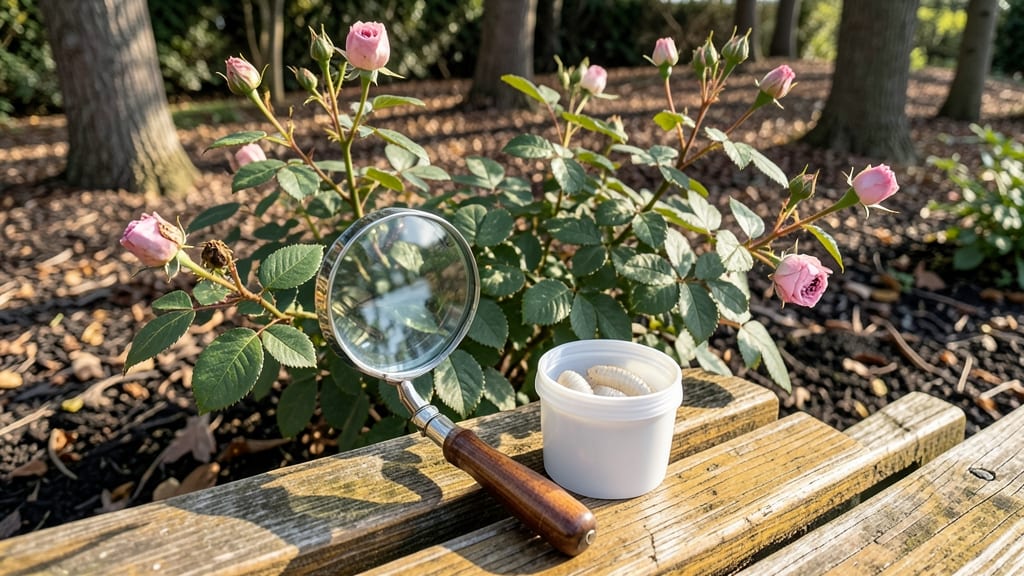
Rose leaf miner turns your prized roses into skeletal shadows. 🌿 I’ve watched these tiny worms devour entire leaves from the inside out—until I discovered a fast, organic spray that stops the damage in its tracks.
The problem starts when larvae chew through leaf tissue, leaving behind white blotches and frass (that’s insect poop). By the time you see the damage, it’s often too late for the leaf—but not for the plant. The good news?
A mix of neem oil, insecticidal soap, and parasitic wasps can turn the tide in one application. You’ll see new growth within 2-3 weeks, with leaves staying intact and your roses looking healthy again. The key is acting early—before the miners pupate into flies for next season.
Works for hybrid teas, climbers, and shrub roses alike. Here’s exactly how to make it work!
Hidden Invaders Behind Leaf Damage
Tiny, unseen pests are often the real troublemakers when your roses start looking ragged. One of the most frustrating culprits is the rose leaf miner, a small fly larva that burrows into leaves, leaving behind telltale signs of destruction.
But why does this happen in the first place? Let’s break down the key reasons—so you can stop it before it starts.
The cycle begins when adult Phytomyza rosae flies (the leaf miner’s parent generation) lay eggs on rose leaves. These eggs hatch into larvae, which then tunnel through the leaf tissue, creating the characteristic serpentine mines. Here’s why this happens:
- Timing matters: Adult flies are most active during warm, humid weather (typically late spring to early summer). If your roses bloom during this window, you’re at higher risk.
- Leaf preference: Leaf miners target young, tender leaves—their soft tissue makes it easier for larvae to burrow in. Over-fertilizing with nitrogen can also make leaves more attractive to these pests.
- Lack of natural predators: If your garden lacks beneficial insects like parasitic wasps or ladybugs, leaf miner populations can explode unchecked.
Actionable insight: Monitor new growth closely in spring and early summer. If you spot small, white eggs or tiny holes in leaves, act fast—larvae can cause irreversible damage in just days.
Healthy roses are far less appealing to leaf miners. When plants are stressed—whether from poor soil, drought, or nutrient deficiencies—they become prime targets. Here’s how stress opens the door:
- Water stress: Underwatering or overwatering weakens leaves, making them easier for larvae to penetrate. Leaf miners thrive in moist, soft tissue.
- Nutrient imbalances: Too much nitrogen (common in fast-release fertilizers) promotes lush but defenseless foliage. A balanced NPK ratio (e.g., 10-10-10) supports stronger plant immunity.
- Compacted or poor soil: Roots struggling to access water and nutrients weaken the plant’s overall vigor, making it more susceptible to pests.
Actionable insight: Keep soil well-draining and rich in organic matter (compost or aged manure). Mulch around the base of roses to retain moisture and regulate soil temperature—this makes leaves less inviting to miners.
Leaf miners don’t just appear randomly—they’re drawn to specific environmental conditions. If your garden matches their preferences, you’re likely to see more damage. Key factors include:
| Factor | Why It Attracts Miners |
|---|---|
| 🌡️ Warm temperatures (70–85°F) | Larvae develop faster in heat, leading to multiple generations per season. |
| 💧 High humidity | Moist leaves are easier for larvae to burrow into, and humidity slows natural predator activity. |
| 🌿 Shady or sheltered spots | Leaf miners avoid direct sun, which dries out leaves. Overhead foliage or structures (like trellises) create perfect hiding spots. |
Actionable insight: If your roses are in a shady, humid microclimate, improve airflow with pruning or strategic planting. Avoid overhead watering in the evening to reduce leaf moisture.
Understanding the root causes of leaf miner infestations is the first step to prevention. The good news? With the right organic sprays and garden habits, you can break the cycle before these tiny pests turn your roses into a buffet.
How to Fix It Naturally
Discovering those telltale signs of leaf miners in your roses can feel like a gardening nightmare—but don’t worry! With the right approach, you can restore your plants to health without harsh chemicals.
Below, we break down solutions by cause, so you can tackle the problem head-on and keep your roses thriving.
Infested leaves are breeding grounds for more miners. The sooner you act, the less damage spreads.
- 🍳 Inspect daily: Check roses for blistered, brown, or serpentine trails—these are red flags.
- 👨🍳 Snip and toss: Use clean pruners to cut off affected leaves at the base. Place them in a sealed bag (not your compost!) to prevent reinfestation.
- ⏰ Timing matters: Do this in the morning when humidity is low, reducing stress on the plant.
A healthy rose is less appealing to pests. Strengthen your shrubs with these preventive power moves:
- 💡 Water wisely: Deep water at the base (not overhead) to avoid damp leaves, which attract miners.
- 🌡️ Feed right: Use a balanced organic fertilizer (like fish emulsion or compost tea) in early spring to promote vigorous growth.
- ✨ Prune strategically: Open up the canopy for better airflow—miners love tight, shaded spots.
When prevention isn’t enough, these natural sprays disrupt the leaf miner’s life cycle without harming your roses:
| Solution | How to Use | Best Time to Apply |
|---|---|---|
| Neem Oil | Mix 1 tbsp neem oil + 1 tsp mild soap per quart of water. Spray undersides of leaves (where miners hide). | Evening (avoid direct sun) |
| Kaolin Clay | Apply 1-2 tbsp clay per gallon of water as a protective film. Reapply after rain. | Early morning or late afternoon |
| Insecticidal Soap | Spray directly on miners (target the trails). Test on a small leaf first. | Weekends (avoid windy days) |
Pro tip: 💡 Rotate sprays every 5–7 days to prevent resistance.
Break the miner’s life cycle with these low-tech traps:
- 🎯 Yellow sticky traps: Hang near roses to catch adult flies before they lay eggs.
- 🌱 Companion planting: Grow basil, marigolds, or garlic nearby—their scents repel miners.
- 🍂 Mulch with caution: Use straw or wood chips (not leaves) to deter overwintering larvae.
With these steps, your roses will bounce back faster than you think. Stay consistent, and soon you’ll have lush, miner-free foliage!
Frequently asked questions
What do rose leaf miner damage look like on my plants?
Look for white, blister-like trails on leaves—these are the larvae tunneling inside. You may also see brown, dried patches or tiny black frass (insect poop) along the trails. Infested leaves often curl or turn yellow as the damage spreads.
Can I save roses already heavily damaged by leaf miners?
Yes, but act fast! Prune away all infested leaves at the base and dispose of them in a sealed bag. Focus on keeping the plant healthy with balanced fertilizer and neem oil sprays to prevent further damage. New growth should emerge in 2-3 weeks if the roots are strong.
How often should I apply neem oil for leaf miners?
Apply neem oil every 5-7 days during peak miner season (late spring to early summer). Mix 1 tbsp neem oil + 1 tsp mild soap per quart of water and spray the undersides of leaves where larvae hide. Always apply in the evening to avoid sunburn on foliage.
Will parasitic wasps really help with rose leaf miners?
These tiny wasps lay eggs inside leaf miner larvae, killing them from within. Introduce them by purchasing Trichogramma wasps from garden centers or planting dill or fennel to attract natural predators. Release them in the morning for best results.
Can I use chemical pesticides for rose leaf miners?
Chemical options like permethrin or bifenthrin can work but may harm beneficial insects and leave residues. If you choose chemicals, opt for pyrethrin-based sprays (derived from chrysanthemums) and apply early in the morning when bees are less active.