
Container Gardens
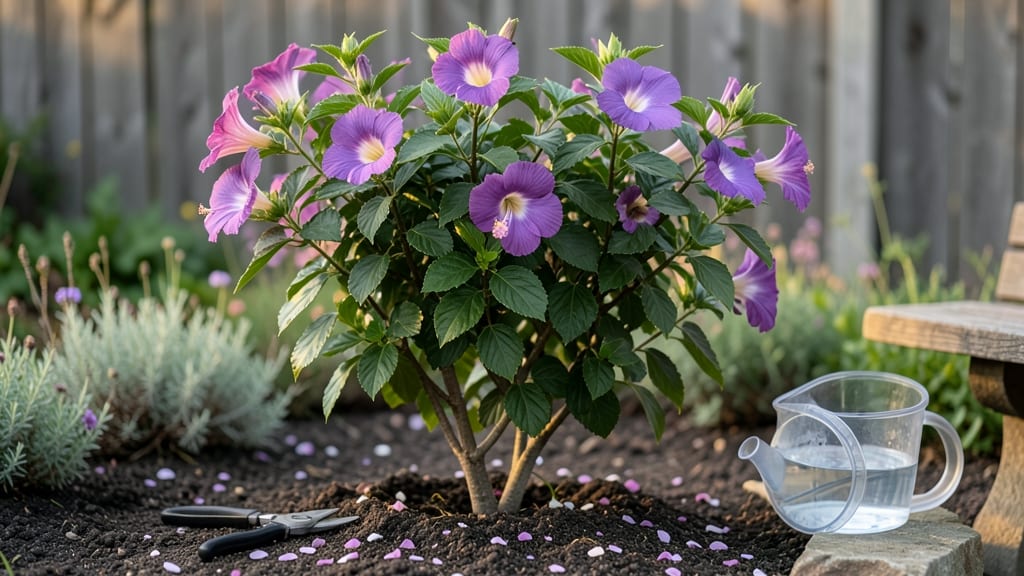
Growing Rose of Sharon thrives in the right conditions—full sun, well-draining soil, and just the right amount of water to fuel those show-stopping blooms 🌸.
Picture this: You’ve planted your Rose of Sharon with high hopes, only to watch it struggle with sparse blooms or leggy growth. The issue? Most gardeners miss the three key factors that turn this hardy shrub into a summer star.
From 6+ hours of sunlight daily to the perfect soil mix (think loose, slightly alkaline), and a watering routine that keeps roots happy without drowning them, I’ll break down exactly what your Rose of Sharon needs to flourish.
By the end, you’ll know how to adjust for your Zone 6 climate, avoid common pitfalls, and keep those vibrant blooms coming year after year—without guessing.
Optimal sunlight, temperature & humidity requirements for Rose of Sharon growth
Getting your Rose of Sharon (Hibiscus syriacus) to thrive starts with understanding its sunlight, temperature, and humidity needs. This hardy shrub loves warmth and bright light, but it’s also surprisingly adaptable once you know the right balance.
Let’s break down exactly what your plant craves to burst into those vibrant summer blooms you’ve been dreaming of.
For maximum flowering, full sun exposure (6+ hours daily) is ideal, but partial shade (4-6 hours) works in hotter climates like USDA Zone 9. The key is avoiding intense afternoon heat in southern regions, which can scorch leaves.
In cooler zones like USDA Zone 5, full sun helps the plant establish strong roots for winter hardiness.
Temperature preferences shift with seasons. Your Rose of Sharon thrives in warm days (70-85°F) but can tolerate brief heatwaves up to 95°F with proper watering. Cold hardiness is impressive—it survives down to -20°F in USDA Zone 5, making it a low-maintenance perennial. However, spring frost damage can stunt blooms, so protect young plants with frost cloth if late frosts linger.
Humidity levels play a surprising role too. While this shrub adapts to dry climates, it prefers moderate humidity (40-60%) for lush foliage. In arid regions (Zone 7+), mulching helps retain moisture, while humid zones (Zone 8-9) may need good air circulation to prevent fungal issues like powdery mildew. A simple trick? Prune for airflow and avoid overhead watering.
Regional adaptations are key to success. In northern climates (Zones 5-6), prioritize south-facing locations to capture winter sun. Southern gardeners (Zones 7-9) should use light shade cloth during peak summer to protect leaves. Even a 10% reduction in sunlight can cut bloom production by 30%, so placement matters more than you might think.
| Condition | Ideal Range | Zone Adaptations | Care Tips |
|---|---|---|---|
| Sunlight | 6-8 hours daily (full sun) | Zones 5-6: Full sun Zones 7-9: Morning sun + afternoon shade |
Use reflective mulch in shade Prune for airflow |
| Temperature | 70-85°F (day) -20°F (min winter) |
Zones 5-6: Mulch heavily Zones 8-9: Provide shade cloth |
Water deeply in heatwaves Avoid late-season fertilizing |
| Humidity | 40-60% | Zones 7-9: Increase airflow Zones 5-6: Group with other plants |
Mulch to retain moisture Avoid overhead watering |
| Bloom Trigger | Cool nights (50-60°F) | Zones 5-6: Prune for sun exposure Zones 8-9: Use shade in summer |
Deadhead spent blooms Fertilize lightly in spring |
Did you know your Rose of Sharon actually needs cool nights (50-60°F) to trigger blooming? This explains why Zone 5 gardens often get longer flowering seasons than Zone 9—the temperature swings act like a natural bloom signal. In warmer climates, you might need to prune strategically
Perfect soil mix & pH levels for thriving Rose of Sharon plants
Your Rose of Sharon (Hibiscus syriacus) thrives when planted in well-draining, fertile soil rich in organic matter. Unlike many shrubs, it tolerates average garden soil but rewards you with vibrant blooms when given the right conditions.
The key lies in balancing drainage, nutrients, and pH—three factors that directly impact root health and flowering potential.
Most gardeners overlook soil texture when planting, assuming their existing soil will suffice. However, compacted or clay-heavy soils can suffocate roots, leading to root rot or stunted growth. Even in sandy soils, you’ll need to amend the mix to retain moisture during dry spells.
Let’s break down the perfect soil recipe and how to adjust your garden plot for peak performance.
Soil Pitfalls That Kill Rose of Sharon
Avoid these common mistakes that stunt growth or invite disease:
- ❌ Too much clay – Roots suffocate; amend with compost or perlite.
- ❌ Wrong pH (below 5.5 or above 7.5) – Locks out essential nutrients like iron.
- ❌ Poor drainage – Leads to root rot; test with the percolation test.
- ❌ Over-fertilizing – Burns roots; stick to balanced 10-10-10 in moderation.
Start by testing your soil pH—the ideal range for Rose of Sharon is 6.0 to 7.0. Use a digital pH meter or home test kit for accuracy. If your soil tests below 6.0, add lime (calcium carbonate) to raise the pH gradually.
For alkaline soils above 7.0, incorporate sulfur or peat moss to acidify it over time. Remember, pH adjustments take 2-3 months to stabilize.
For the perfect soil mix, aim for a 60:30:10 ratio of topsoil, composted organic matter, and perlite/sand. Dig a 12-inch-deep hole twice as wide as the root ball, then mix in 3-4 inches of compost and 1 cup of 10-10-10 fertilizer into the native soil.
This blend ensures aeration, moisture retention, and nutrient availability without compacting.
If your garden soil is sandy, add 20% coconut coir or peat moss to improve water retention. For clay-heavy soil, blend in 50% perlite or vermiculite to prevent compaction.
Mulch with 2-3 inches of shredded bark after planting to regulate soil temperature and suppress weeds—this also slowly enriches the soil as it decomposes.
Watch for yellowing leaves, a classic sign of nutrient deficiencies or pH imbalance. If new growth appears pale, your plant may need iron chelate or Epsom salt (for magnesium). For wilting or mushy stems, check for overwatering—Rose of Sharon prefers dryer soil once established.
Adjust your watering schedule to 1-2 inches per week, letting the top 2 inches of soil dry between waterings.
With the right soil mix and pH balance, your Rose of Sharon will reward you with season-long blooms and lush foliage. Test your soil annually and amend as needed—healthy roots are the foundation of a show-stopping shrub! 🌿