
Landscaping
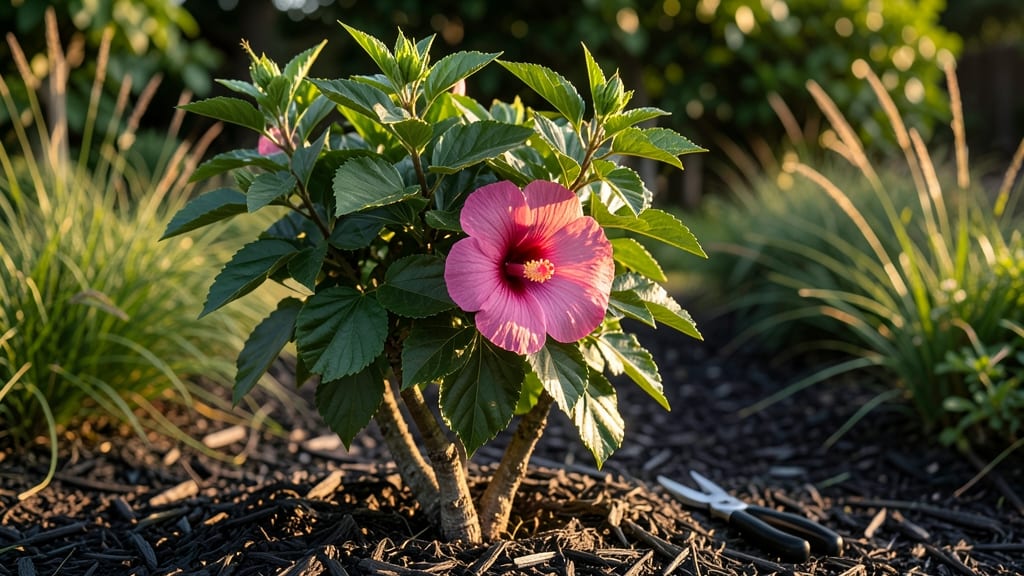
A Rose of Sharon landscape transforms your yard into a four-season showstopper with almost no work. 🌿 This drought-tolerant shrub blooms from mid-summer to fall, then delivers winter interest with its peeling bark and skeletal branches—all while requiring just one annual pruning to stay tidy.
The secret lies in its versatility: use it as a privacy screen, a specimen plant, or a low-maintenance hedge that thrives in full sun or partial shade.
Pair it with lavender for fragrance, salvia for contrast, or ornamental grasses to soften its bold structure. In formal gardens, shear it into geometric shapes; in wild landscapes, let it grow naturally for a relaxed, cottage-garden feel.
The key is placement—plant it where you want year-round color without the upkeep of annuals or high-maintenance perennials.
By summer’s end, you’ll have a landscape that stays lush through heatwaves, then shifts into a textured winter sculpture with minimal effort. The blooms attract hummingbirds, and its deep roots improve soil—making it a multi-season workhorse that outshines trendy but high-maintenance plants.
Works in zones 5-9, from urban backyards to rural borders. Once established, it’s nearly indestructible—perfect for busy gardeners who still want drama. Let’s design your low-fuss, high-impact landscape!
📚 In This Guide
- What you need
- Instructions
- Tips and common mistakes
- Wrapping up and next steps
What you need
- ● Rose of Sharon plants: 3–5 healthy nursery-grown shrubs (choose varieties like 'Diana,' 'Blue Bird,' or 'Pink Chiffon' for color diversity).
- ● Well-draining soil: 5–10 bags of garden loam or compost (improves fertility and drainage).
- ● Organic mulch: 2–3 cubic yards of wood chips or shredded bark (retains moisture, suppresses weeds).
- ● Slow-release fertilizer: 10–15 lbs of 10-10-10 or balanced organic fertilizer (applied in early spring).
- ○ Optional: Moss sticks or coco coir for erosion-prone slopes.
- ● Garden shovel or spade: 1 medium-sized (for planting holes, ~18" deep).
- ● Garden trowel: 1 (for transplanting smaller plants or adjusting soil).
- ● Pruning shears: 1 pair (bypass pruners for clean cuts).
- ● Wheelbarrow or bucket: 1 (for mixing soil/amendments).
- ○ Hose with nozzle: 1 (for deep watering; soaker hose is optional but ideal).
- ● Measuring tape: 1 (to space plants 6–10 ft apart).
- ● Gloves: 1 pair (gardening gloves for comfort).
- ● Sunlight: Full sun (6+ hours/day) or partial shade (morning sun + afternoon shade).
- ● Location: Plant in a sheltered spot (avoid windy areas; Rose of Sharon is tender!).
- ● Soil test: Check pH (ideal: 6.0–7.0; amend with lime or sulfur if needed).
- ● Water access: Ensure a drip irrigation system or consistent watering plan (1–2 inches/week).
- ○ Optional: Landscape fabric under mulch to reduce weed competition.
Step-by-Step guide to designing a stunning Rose of Sharon landscape
Here's the method I rely on to create a low-maintenance, four-season showstopper using this hardy shrub.
🌿 Step 1: Select the Perfect Planting Locations
Rose of Sharon thrives in full sun to partial shade, so choose spots receiving at least 6 hours of sunlight daily. I always scout locations in late winter when the ground is bare—this helps visualize how shadows will shift throughout the day. For maximum impact, plant at least 3-5 shrubs per group to create that dramatic, layered effect.
Watch for overhead power lines or tree branches that might limit growth. These shrubs can reach 8-10 feet tall, so give them plenty of vertical clearance. I mark potential spots with small flags before digging, then verify spacing by laying out 6-foot diameter circles to ensure proper airflow between plants.
🪴 Step 2: Prepare the Soil for Optimal Growth
Amend native soil with 2-3 inches of compost mixed into the top 12 inches of planting hole. Rose of Sharon adapts to most soil types but performs best in well-draining soil with a slightly acidic to neutral pH. I test my soil first—if it's heavy clay, I add 30% perlite or coarse sand to improve drainage.
Dig holes twice as wide as the root ball but no deeper. Loosen the roots gently if they're circling in the container—this prevents girdling as the plant establishes. Here's the thing—water the hole thoroughly before planting. This ensures the roots make immediate contact with moisture rather than drying out during transplant shock.
☀️ Step 3: Plant for Season-Long Visual Interest
Position shrubs so their strongest stems face outward from the center, creating natural focal points. I plant the tallest varieties in back rows and shorter ones in front for layered impact. Space plants 6-8 feet apart to allow mature growth without crowding.
Backfill with native soil mixed with compost, tamping gently to remove air pockets. Water deeply immediately after planting—this settles the soil and eliminates gaps. I always add 2-3 inches of mulch around the base, keeping it 6 inches away from the trunk to prevent rot. This mulch will protect roots in winter and retain moisture during summer droughts.
✂️ Step 4: Establish a Minimal Pruning Routine
The beauty of Rose of Sharon is its minimal pruning needs. After planting, I wait until early spring to prune—this gives roots time to establish before the growing season. Remove any dead, damaged, or crossing branches first, then cut back last year's growth by one-third to encourage bushier growth.
Here's where it gets fun—watch for new growth in early summer. This is when you can shape the plant by trimming back 10-20% of the current season's growth. Never remove more than 30% of the plant's foliage in one season, or you'll sacrifice next year's blooms. I always prune just above a leaf node or outward-facing bud to encourage healthy growth patterns.
💧 Step 5: Maintain Through All Four Seasons
Water newly planted shrubs deeply once weekly for the first growing season, providing 1-1.5 gallons per plant. Once established, Rose of Sharon is incredibly drought-tolerant—you'll only need to water during prolonged dry spells. I check soil moisture by pushing my finger 2 inches deep; if it feels dry, that's your signal to water.
In late fall, apply a 2-3 inch layer of mulch around the base to protect roots from freezing temperatures. I never fertilize in fall—this encourages tender new growth that won't survive winter. Instead, I wait until early spring when new growth appears, then apply a balanced 10-10-10 fertilizer according to package instructions for established plants.
Tips & tricks for perfect Rose of Sharon landscaping
Creating a stunning Rose of Sharon display doesn't require a green thumb—just a few strategic moves that make all the difference. Here's what I've learned after years of transforming ordinary yards into seasonal showstoppers.
Sunlight Strategy: The 6 hours of sunlight requirement is non-negotiable, but here's what nobody tells you—watch for seasonal sun shifts. What seems like full sun in summer might become partial shade in winter. I plant my tallest varieties on the south side of groupings to ensure they get consistent light throughout the year, while shorter varieties can handle more shade tolerance.
Root Ball Rescue: When you're loosening those circling roots in Step 2, don't just pull them apart—make small vertical cuts with a knife to encourage outward growth. This prevents girdling and gives your shrubs a stronger start. I've seen plants recover beautifully from this treatment, even when roots were severely circling in the container.
Pruning Precision: That one-third cut back in early spring might seem drastic, but timing is everything. Wait until you see new buds forming—this is your signal that the plant has stored enough energy to regenerate. I always prune on a dry day when temperatures are above 50°F to prevent stress on fresh cuts. For the summer shaping (10-20% of current growth), I use clean, sharp shears and make cuts at a 45-degree angle just above outward-facing buds.
Mulch Mastery: The 2-3 inch mulch layer is your secret weapon for winter protection and summer moisture retention. I use a mix of shredded bark and compost—this not only looks better than plain mulch but also adds organic matter to the soil as it breaks down. The key is keeping it 6 inches away from the trunk to prevent rot, but don't be afraid to mound it higher in winter for extra insulation.
Pro Tips for Rose Of Sharon Landscape
- Creating a stunning Rose of Sharon display doesn't require a green thumb—just a few strategic moves that make all the difference.
- Sunlight Strategy: The 6 hours of sunlight requirement is non-negotiable, but here's what nobody tells you—watch for seasonal sun shifts.
- Root Ball Rescue: When you're loosening those circling roots in Step 2, don't just pull them apart—make small vertical cuts with a knife to encourage outward growth.
Frequently asked questions
Got questions about transforming your yard with Rose of Sharon? You’re not alone!
Here are answers to the most common queries—so you can dive into your landscape project with confidence.
When is the best time to plant Rose of Sharon for year-round blooms?
Plant in early spring or fall when soil temperatures are mild (50–70°F). This gives roots time to establish before summer heat or winter frost. Avoid planting in extreme heat or cold—it stresses the shrub and slows growth. Pro tip: Amend soil with compost to improve drainage, especially if your area has heavy clay.
How much pruning does Rose of Sharon really need?
Surprisingly little! Prune only to shape the shrub (late winter/early spring) or remove dead/diseased branches. Avoid heavy pruning—it stimulates excessive new growth and reduces blooms. Key rule: Never prune after early summer; you’ll cut off next year’s flower buds!
Does Rose of Sharon handle drought or wet conditions well?
It’s drought-tolerant once established (after 1–2 years), but thrives with moderate moisture during its first season. Too much soggy soil? Amend with sand or plant on a slight mound. Bonus: Its deep roots make it resilient in urban areas with poor soil or occasional dry spells.
Are there pests or diseases I should watch for?
Generally low-maintenance, but keep an eye out for Japanese beetles (handpick or use neem oil) or powdery mildew (improve airflow, avoid overhead watering). Prevention tip: Space plants 3–6 feet apart for airflow and prune for sunlight penetration.
What’s a good alternative if Rose of Sharon isn’t available?
Try Butterfly Bush (Buddleia) for similar drought tolerance and long blooms, or Abelia for fragrant flowers and low fuss. For blue-purple hues, Crape Myrtle or Wisteria (with trellis support) are stunning options. Local nurseries often carry region-specific picks!
Quick Troubleshooting Table
| Issue | Likely Cause | Fix |
|---|---|---|
| No blooms | Over-pruning, poor sunlight, or young plant | Prune lightly, ensure 6+ hours of sun, be patient (blooms peak in years 2–3) |
| Yellowing leaves | Overwatering or nutrient deficiency | Check soil moisture, fertilize with balanced 10-10-10 in spring |
| Leggy growth | Too much shade or nitrogen | Thin nearby plants, move to sunnier spot, reduce nitrogen-heavy fertilizers |
Wrapping up and next steps
Transforming your landscape with Rose of Sharon is a game-changer—it delivers stunning, low-maintenance beauty that thrives year-round with minimal effort! 🌸 From vibrant blooms to lush foliage, this plant is your secret weapon for effortless curb appeal.
Whether you're a seasoned gardener or just starting, its resilience and adaptability make it a winner for any yard.
Ready to elevate your outdoor space? Start small—plant a single bush as a focal point, or go bold with a full hedge. Grab your supplies and get growing today!