
Pruning
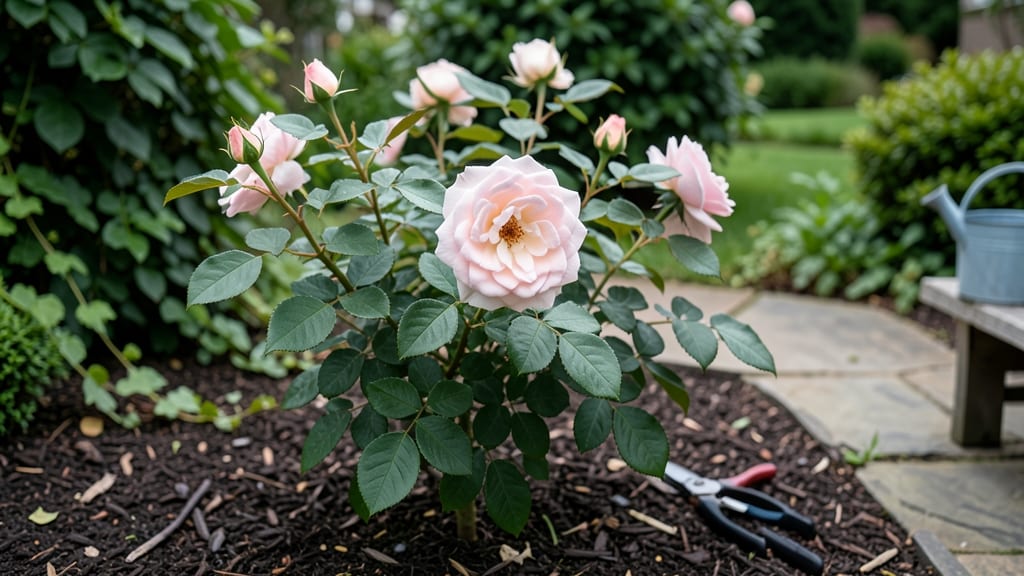
Your Rose Peace Bush could be the most fragrant corner of your garden—if you prune it right. ✂️ I’ve turned my once-neglected bush into a blooming, sweet-scented powerhouse with just a few strategic cuts each season, and the secret isn’t complicated.
The key is timing: prune right after blooming to encourage next year’s flowers, but never cut into old wood—this bush rewards patience with longer stems and bigger blooms than you’d expect. Even in hot summers, proper trimming keeps it compact and disease-free.
By winter, you’ll have a bush so lush it smells like a rose garden even when nothing else is blooming. The fragrance lingers for hours, and neighbors will ask how you did it—here’s the simple method. Works in zones 5-9, whether you’ve got full sun or partial shade.
Let’s get those shears sharp and start shaping!
📚 In This Guide
- What you need
- Instructions
- Tips and common mistakes
- Wrapping up and next steps
What you need
- ● Pruning shears: Bypass pruners (sharp, clean, and sterilized with rubbing alcohol or bleach). Quantity: 1 pair (or 2 if you have a large bush).
- ● Loppers: For thicker stems (½"–1" diameter). Quantity: 1 pair.
- ● Garden gloves: Heavy-duty, cut-resistant (to protect from thorns!). Quantity: 1 pair.
- ● Disinfectant: 1 part bleach to 9 parts water (for sterilizing tools between cuts).
- ○ Pruning sealant (optional): Wound dressing for large cuts (e.g., Tanglefoot Pruning Seal).
- ○ Garden twine or rubber bands (optional): For supporting weak branches.
- ● Trash bag or bucket: For collecting pruned debris. Size: Large enough to hold 5+ gallons.
- ● Weather: Prune on a dry, cloudy day (avoid frost or extreme heat).
- ● Timing: Best done in late winter/early spring (before new growth) or after blooming (summer/fall for deadheading).
- ● Safety: Wear long sleeves/pants to avoid thorn pricks! 🛡️
- ● Knowledge: Familiarize yourself with your bush’s growth habit (e.g., Rosa 'Peace' blooms on new wood, so avoid heavy winter pruning).
Instructions for pruning your rose Peace bush
Here’s how to keep your Peace rose bush blooming abundantly while maintaining its signature fragrance.
✂️ Step 1: Prune for Structure in Late Winter
Start in late winter (just before new growth begins) when the plant is dormant. Remove dead, diseased, or crossing branches first—these compete for energy and can spread rot. Cut back to a healthy bud (look for a small bump on the stem) at a 45-degree angle to encourage water runoff and prevent rot.
Next, shape the bush by shortening last year’s growth to half its length. Focus on opening the center to improve airflow, which prevents fungal diseases. I always step back after each cut to check the overall shape—this ensures your Peace rose stays balanced and full.
🌿 Step 2: Encourage Blooms with Mid-Season Trimming
After the first flush of blooms (usually late spring), trim back one-third of the oldest stems to encourage new growth. This signals the plant to produce more flowers instead of focusing on seed development. Cut just above an outward-facing bud to promote an open, airy shape.
Remove any spent blooms immediately—this is called deadheading. Snip the stem ¼ inch above a leaf node (the spot where leaves attach). You’ll see fresh buds forming within 2-3 weeks if the plant is healthy. Skipping this step leads to leggy growth and fewer flowers.
☀️ Step 3: Light Summer Maintenance for Fragrance
In summer, focus on light trimming to maintain shape and fragrance. Prune only when necessary—over-trimming stresses the plant and reduces blooms. Cut back any stems that grow too long or become woody, always leaving 3-5 strong buds on each branch.
Watch for suckers (shoots growing from the base or below the graft). Remove these immediately—they drain energy from the main plant. I use clean, sharp shears to make precise cuts, which helps prevent disease. After trimming, water deeply to help the plant recover.
⏰ Step 4: Prepare for Winter Dormancy
In early fall, reduce pruning to minimal shaping. Stop cutting by mid-October to allow the plant to harden off before winter. Remove any weak or damaged stems but avoid heavy pruning—this gives the bush time to recover before dormancy.
After the first frost, apply a 2-3 inch layer of mulch around the base (if using mulch). This protects roots from freezing temperatures. I also wrap young bushes with burlap for extra insulation. By spring, your Peace rose will burst back with vibrant blooms and that signature fragrance.
🌱 Step 5: Year-Round Fragrance Care
Throughout the year, fertilize lightly in spring and summer with a balanced rose fertilizer (10-10-10). Avoid heavy feeding in fall—it encourages tender growth that won’t survive winter. Water deeply once a week (more in extreme heat) to keep roots strong.
Keep an eye out for aphids or black spot fungus—both can reduce fragrance and blooms. Spray with neem oil at the first sign of trouble. A healthy Peace rose bush rewards you with year-round fragrance when pruned with care.
Tips & tricks for pruning your Peace rose bush
Precision pruning turns a good rose bush into a fragrant, blooming masterpiece—here’s how to avoid common pitfalls.
Timing is Everything: Late winter pruning (just before new growth) is critical because dormant plants handle stress better. If you miss this window, wait until early spring—but never prune after mid-October, as new growth won’t harden off before winter. I’ve learned this the hard way after seeing spring growth freeze back in colder climates.
Bud Selection Matters: When shaping your bush, always cut just above an outward-facing bud. This ensures new growth moves outward, creating a fuller, more balanced shape. Look for buds that are plump and slightly raised—they’ll grow into stronger stems. A 45-degree angle on your cuts also helps water run off, preventing rot at the cut site.
Deadheading for Continuous Blooms: The 2-3 week window between deadheading and new buds forming is your plant’s way of telling you it’s ready for more flowers. If you skip this step, your Peace rose will focus energy on seed development instead of blooms. I make it a habit to check for spent blooms every few days during peak bloom season—it makes all the difference.
Tool Maintenance: Clean, sharp shears are non-negotiable. Dull blades tear stems, inviting disease. After each pruning session, wipe your shears with rubbing alcohol and store them in a dry place. I keep a small bottle of alcohol in my gardening toolkit—it takes 30 seconds and prevents years of frustration.
Pro Tips for Rose Peace Bush
- Precision pruning turns a good rose bush into a fragrant, blooming masterpiece—here’s how to avoid common pitfalls.
- Timing is Everything: Late winter pruning (just before new growth) is critical because dormant plants handle stress better.
- Bud Selection Matters: When shaping your bush, always cut just above an outward-facing bud.
Frequently asked questions
When is the best time to prune my Rose Peace bush?
Prune your Rosa 'Peace' in early spring (March–April) before new growth starts, and again after the first flush of blooms in late spring or early summer. Avoid heavy pruning in fall—just remove dead or diseased canes. Pro tip: Always prune on a dry, sunny day to reduce disease risk!
How much should I cut back my Rose Peace bush each year?
For a Rose Peace, aim to remove 1/3 of the oldest canes each year to encourage new growth. Cut back to an outward-facing bud (about ¼ inch above it) for optimal airflow and blooms. Avoid over-pruning—this hybrid tea rose thrives with moderation!
Can I prune my Rose Peace bush in winter?
Light pruning in late winter (January–February) is fine to remove dead or crossing branches, but avoid heavy cuts. Winter pruning can stress the plant and invite pests. Save major trims for spring when new growth is about to begin.
What should I do if my Rose Peace bush isn’t blooming after pruning?
If your rose skips blooms, check for over-pruning, poor sunlight (6+ hours daily), or nutrient deficiencies. Fertilize with a rose-specific feed in spring, and ensure it’s in well-draining soil. Pro tip: Deadhead spent blooms to encourage more flowers!
Are there alternatives to pruning for shaping my Rose Peace bush?
While pruning is essential, you can lightly pinch back new growth in summer to encourage bushier growth. For shaping, use soft ties to guide canes gently—just avoid heavy structural changes. Rose Peace responds best to regular, gentle trims over drastic reshaping.
Wrapping up and next steps
The Rose Peace bush thrives when you embrace precision pruning—turning seasonal trims into a ritual that rewards you with abundant blooms and intoxicating fragrance. Whether you’re a novice gardener or a seasoned green thumb, the key is patience, sharp tools, and a little love.
Now that you’re armed with the right techniques, roll up your sleeves and give your bush the care it deserves!
🌿 Next steps:
- Schedule your first trim—spring is ideal!
- Keep a pruning journal to track growth and blooms.
- Share your progress with fellow plant lovers (or tag us @YourGardenCommunity!).