
Orchid Care
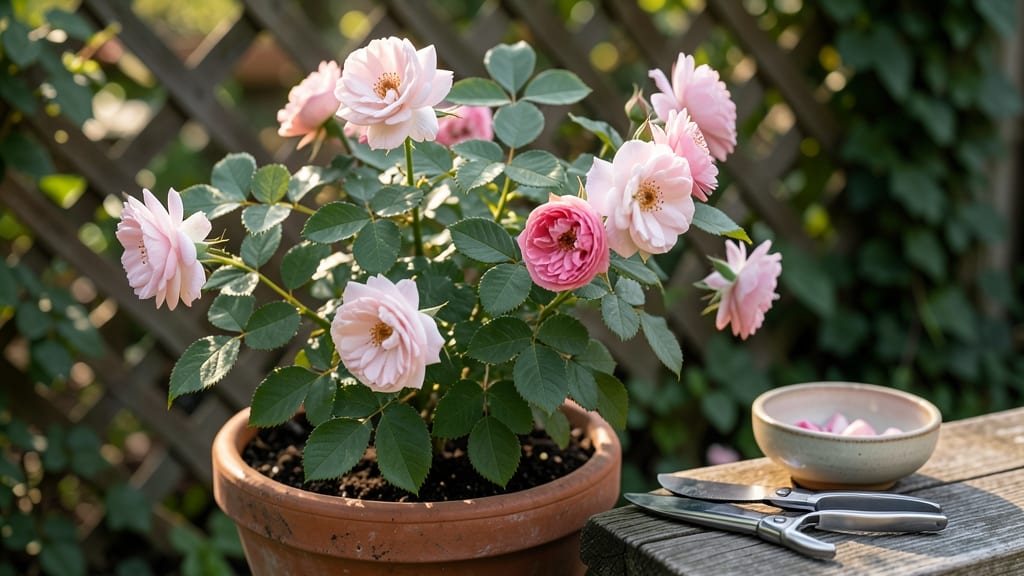
Making rose water at home turns your garden into a fragrant factory. ✨ The secret starts with the right roses—varieties like Damask or Bourbon yield the richest petals, packed with oil that becomes your homemade perfume base.
I learned this after my first batch turned out weak, and now I grow specific varieties just for extraction.
Timing matters most: harvest petals in the morning after dew dries (around 9 AM) when oils are concentrated. Use organic roses if possible—they’re free of chemical sprays that ruin the delicate scent.
Spread petals in a single layer on clean, breathable surfaces (like mesh screens) and dry for 3-5 days in a dark, well-ventilated spot. Too much humidity? Mold ruins everything.
Once dry, crush petals and steep them in distilled water (1 part petals to 4 parts water) for 24-48 hours before straining. The result? A luxurious, skin-safe fragrance that costs pennies compared to store-bought versions.
Store in dark glass bottles in the fridge for up to 6 months—no preservatives needed.
Troubleshooting is simple: weak scent? Use more petals. Mold? Dry faster or add a silica packet. And if your roses aren’t blooming enough? Prune in early spring to encourage bushier growth—more flowers mean more petals, and that’s the whole point.
📚 In This Guide
- What you need
- Instructions
- Tips and common mistakes
- Wrapping up and next steps
What you need
- ● Fresh rose petals: 1 cup (about 15–20 grams, depending on variety). Use organic, pesticide-free roses for safety and purity.
- ● Distilled water: 1 cup (240 mL). Avoid tap water—it may contain impurities that affect flavor and shelf life.
- ● Glass jar or bowl: A clean, airtight container (8–12 oz) with a lid. Mason jars or amber glass bottles work best to preserve color and potency.
- ● Stovetop or double boiler: For gentle, even heating (avoid direct flames to prevent scorching).
- ● Fine-mesh strainer or cheesecloth: To filter out petal debris after infusion.
- ● Clean spoon or spatula: For stirring and transferring petals.
- ○ Preservative (optional): A few drops of vodka or rose oil (1 tsp) to extend shelf life (up to 1 month in the fridge).
- ○ Essential oils (optional): 2–3 drops of lavender or geranium oil to enhance fragrance (add after cooling).
- ○ Food-grade glycerin (optional): 1 tsp to thicken the rose water slightly for skincare use.
Step-by-step instructions for crafting homemade rose water
Here’s the method I’ve perfected for extracting rich, fragrant rose water at home—no shortcuts, just pure botanical luxury.
🌿 Step 1: Select and Prepare Fresh Rose Petals
Choose organic, pesticide-free rose petals from 10-12 fresh roses—look for deep pink or burgundy blooms, as they yield the most intense fragrance. Remove petals gently, avoiding stems and green sepals, which can impart bitterness. Spread them on a clean towel to air-dry for 2-3 hours until slightly wilted but not crisp. This step preserves their delicate oils and prevents mold during extraction.
For best results, work with petals in the morning after dew has dried—this ensures they’re hydrated but not damp. If using store-bought petals, check for freshness: they should smell vibrant, not stale. I like to weigh them (about ½ cup loosely packed) to track yield later.
💧 Step 2: Infuse Petals in Distilled Water
Combine the petals with 2 cups of distilled water in a stainless steel or glass container—never aluminum, as it reacts with the rose’s natural acids. Cover loosely with a lid or cheesecloth to allow steam to escape while keeping out debris. Place the container in a large pot of simmering water (not boiling) on the stove, ensuring the infusion sits 1-2 inches above the waterline—this creates a gentle steam bath.
Simmer for 30-45 minutes until the petals turn translucent and the water takes on a pale pink hue. The goal is to extract the essential oils without scorching the delicate compounds. I stir gently every 10 minutes to distribute heat evenly and prevent hot spots.
☀️ Step 3: Strain and Preserve the Infusion
Strain the mixture through a fine-mesh sieve or cheesecloth into a clean glass jar, pressing the petals lightly to extract every last drop. Discard the spent petals—compost them if possible. Let the strained liquid cool to room temperature before transferring it to a dark glass bottle (amber or cobalt) to protect it from light, which degrades the fragrance over time.
Store the rose water in a cool, dark place for up to 2 weeks. The scent will mellow slightly as it ages, but the essence remains potent. For longer shelf life, refrigerate it—though the aroma intensifies best at room temperature.
✂️ Step 4: Test and Use Your Homemade Rose Water
To verify potency, dab a small amount on your wrist—it should linger with a sweet, floral note for several hours. If it fades quickly, repeat the infusion process with fresher petals or extend the simmer time by 10-15 minutes. This homemade version is far more concentrated than commercial rose water, so use it sparingly: 1-2 drops in perfumes, 1 teaspoon in skincare recipes, or ¼ cup for flavoring syrups.
Real talk: the first batch might surprise you with its depth. I’ve used mine to infuse honey, scent linen sprays, and even as a natural fabric softener. The key is patience—rushing the process weakens the fragrance.
Tips & tricks for crafting luxurious homemade rose water
Here’s what I’ve learned after perfecting this process—small details that transform ordinary petals into something truly extraordinary.
Petal Selection Matters: The color of your roses directly impacts the final fragrance intensity. Deep burgundy roses contain more natural oils than pale varieties, so prioritize those rich, velvety petals. If you’re using garden roses, pick them in the early morning when their oils are most concentrated—this is when they’re at their peak. Avoid roses treated with pesticides, as chemical residues can alter the delicate floral profile and even affect skin sensitivity when used in perfumes or skincare.
Infusion Timing Secret: Those 30-45 minutes of simmering are non-negotiable, but the real magic happens in how you monitor it. The petals should become translucent and the water should develop a soft pink tint—this indicates proper oil extraction. If you notice the water turning darker too quickly, reduce the heat slightly to prevent scorching. I’ve found that stirring every 10 minutes isn’t just about even heating; it also releases trapped oils from the petals more efficiently.
Storage Wisdom: The 2-week shelf life assumes proper storage conditions. For maximum potency, keep your rose water in a dark glass bottle and store it in a cool, dark cabinet—never in direct sunlight or near the stove. If you notice the fragrance fading after a week, it’s time to make a fresh batch. The color change from vibrant pink to muddy brown is your first warning sign that the essential oils have degraded. For short-term use, refrigeration extends shelf life but may slightly dull the aroma over time.
Testing Technique: That wrist test isn’t just for fun—it’s the most reliable way to gauge potency. When you dab a small amount on your pulse point, the fragrance should linger for at least 3-4 hours before fading. If it dissipates in under an hour, your infusion wasn’t strong enough. This could mean your petals weren’t fresh enough, the simmer time was insufficient, or the water wasn’t hot enough to properly extract the oils. The goal is to create something that feels luxurious, not just pleasant.
Pro Tips for Rose Petals For Rose Water
- Here’s what I’ve learned after perfecting this process—small details that transform ordinary petals into something truly extraordinary.
- Petal Selection Matters: The color of your roses directly impacts the final fragrance intensity.
- Infusion Timing Secret: Those 30-45 minutes of simmering are non-negotiable, but the real magic happens in how you monitor it.
Frequently asked questions
Got questions about crafting your own rose water? Here are answers to the most common ones—so you can create a luxurious, fragrant masterpiece with confidence!
Can I use any rose petals for rose water, or do specific varieties work best?
While most roses will work, Damask roses (like Rosa × damascena) are the gold standard—they’re highly fragrant and ideal for rose water. Garden roses or hybrid teas can work too, but you’ll need more petals (about 2–3x the amount) to achieve the same potency. Avoid sprayed or heavily perfumed roses—they can leave unwanted chemical residues.
How long does homemade rose water last, and how should I store it?
Properly stored, homemade rose water lasts 6–12 months in the fridge. Transfer it to a clean, airtight glass bottle (like an amber or dark glass jar) to block light and preserve freshness. For longer shelf life, add a pinch of citric acid or vitamin E oil as a natural preservative. Always label it with the date!
What if my rose water smells weak or doesn’t develop a strong fragrance?
Weak fragrance usually means one of three things:
- Insufficient petals: Double the amount next time (e.g., 1 cup petals per 1 cup water).
- Short steeping time: Let it sit overnight (or up to 24 hours) for deeper infusion.
- Low-quality petals: Use fresh, organic roses from a trusted source—avoid wilted or pesticide-treated petals.
Can I make rose water without a large pot or stove? (No-cook methods)
Try these stoveless methods for small batches:
- Cold infusion: Crush petals in water, let sit in a jar for 4–6 hours, then strain.
- Solar infusion: Place petals + water in a glass jar, seal, and leave in direct sunlight for 2–3 days.
- Blender method: Blend petals with water, strain, and press the pulp for extra yield.
What can I do with leftover rose petals after making rose water?
Don’t toss those petals—repurpose them creatively!
- Dry them for potpourri, sachets, or homemade rose petal tea.
- Compost them (if pesticide-free) for nutrient-rich garden soil.
- Infuse them into rose petal sugar or rose water syrup for desserts.
- Use them in DIY bath bombs or soaps for a natural exfoliant.
Wrapping up and next steps
Crafting your own rose water from fresh petals is a rewarding journey that blends simplicity with luxury—transforming nature’s beauty into a soothing, fragrant elixir for your home or skincare routine. 🌹 Whether you’re drawn to its calming scent, DIY charm, or natural benefits, this method empowers you to create something truly special with just a few ingredients and patience.
Now that you’re armed with the how-tos and answers to common questions, why not take the next step? Gather your roses, experiment with variations, or even gift your homemade rose water to a loved one—because the best things often start with a little effort and a lot of love.