
Shrubs
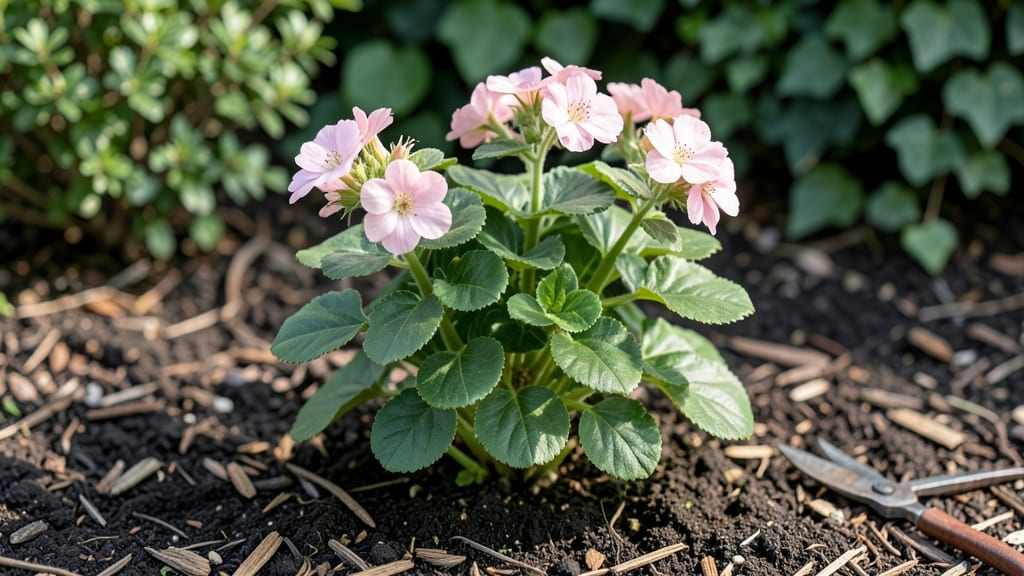
Nothing beats the smell of fresh rose-scented pelargonium leaves on a summer breeze. 🌿 These fragrant plants deliver the essence of roses—without the fuss of blooms—making them perfect for gardeners who crave scent over showy flowers.
I’ve grown them for years, and they’ve become my go-to for instant garden fragrance and easy container plants. The secret to their intoxicating aroma lies in well-draining soil, bright light, and regular pruning to encourage lush foliage. Most people overwater them, which drowns the roots and dulls the scent.
A simple mix of potting soil and perlite keeps them thriving, while deadheading spent blooms (if any appear) redirects energy into those fragrant leaves. By late summer, your plants will be bursting with scent—just brush a leaf to release waves of roses.
Use them in hanging baskets, window boxes, or as living room centerpieces. The fragrance lingers even when dried, so bundle stems for potpourri. They’re hardy, low-maintenance, and multiply easily through stem cuttings. Even beginners can’t kill these—just give them light, air, and occasional pinching.
Ready to fill your space with roses?
📚 In This Guide
- What you need
- Instructions
- Tips and common mistakes
- Wrapping up and next steps
What you need
- ● Rose-scented pelargonium plant: Start with a healthy nursery-grown plant (check for Pelargonium graveolens or Pelargonium ‘Rose’ varieties) OR seeds (if available).
- ● Well-draining potting mix: 10–15 lbs of a cactus/succulent blend (or add perlite/vermiculite to regular soil for aeration).
- ● Containers or garden bed: For pots: 6–12" diameter containers with drainage holes (terracotta or plastic).
- ● For garden beds: Full sun (6+ hours/day) and loose, sandy soil (amend clay soil with compost).
- ● Watering can or hose with gentle nozzle: Avoid overwatering—pelargoniums hate soggy roots!
- ● Pruning shears: Sharp, clean pair for trimming leggy growth (sterilize with rubbing alcohol).
- ○ Gloves (optional): Protect your hands from sap (can irritate skin).
- ● Fertilizer: Balanced 10-10-10 or 20-20-20 liquid fertilizer (diluted to half-strength). Pro tip: Feed lightly every 4–6 weeks during growing season!
- ○ Mulch (optional): 1–2" layer of straw or bark to retain moisture and suppress weeds.
- ● Sunlight gauge: Know your space! Pelargoniums thrive in bright, indirect to full sun.
- ● Climate: Hardy in USDA Zones 10–11; treat as annual in colder zones (bring indoors before frost!).
- ● Toxicity: Non-toxic to pets, but avoid ingesting large quantities.
- ○ Propagation extras (if starting from cuttings): Rooting hormone (optional but helpful).
- ● Small pots or water jars for propagation.
Step-by-step instructions for growing rose-scented pelargoniums
Here's how I grow these fragrant beauties—no flowers needed for the best perfume garden.
🌱 Step 1: Select Healthy Starts and Prepare Containers
Choose established plants with vigorous stems and deep green leaves—avoid leggy or yellowing specimens. I use 6-8 inch pots with drainage holes for each plant, since rose-scented pelargoniums hate soggy roots. Fill each pot with a mix of 50% potting soil and 50% perlite to ensure excellent drainage.
Press the soil down gently so it's firm but not compacted. The goal is to create a loose medium that allows roots to spread easily. I always add a handful of slow-release fertilizer to the bottom of each pot before adding the soil mix. This ensures the plants get a steady supply of nutrients without frequent feeding.
☀️ Step 2: Position for Maximum Fragrance Development
Place your pelargoniums in a location with at least 4-6 hours of direct sunlight daily. A south-facing window or a sheltered outdoor spot works best. These plants thrive in 65-75°F temperatures and will actually produce more fragrance when they get plenty of sun.
Rotate the pots a quarter turn weekly to prevent leaning. You'll notice the plants grow more upright and bushy this way. If you're growing them outdoors, bring them inside before nighttime temperatures drop below 55°F—they're tender perennials and won't survive frost.
💧 Step 3: Water and Feed for Optimal Growth
Water when the top inch of soil feels dry to the touch. I use room-temperature water to avoid shocking the roots, and I always water at the base rather than from above. This prevents water from landing on the leaves, which can cause fungal issues.
Feed every 4-6 weeks with a balanced liquid fertilizer diluted to half strength. I've found that rose-scented pelargoniums respond best to regular feeding during their active growing season. Stop fertilizing in late summer to allow the plants to prepare for dormancy if you're growing them as annuals.
✂️ Step 4: Prune for Bushier Growth and Enhanced Fragrance
Pinch back the tips of new growth when the plants are about 4-6 inches tall to encourage bushier growth. This simple step makes your plants fuller and more fragrant. I also remove any leggy stems or yellowing leaves regularly to keep the plant's energy focused on producing new, fragrant foliage.
If your plant becomes too leggy, you can take 4-6 inch cuttings from the tips and root them in water. This is a great way to propagate new plants. Just place the cuttings in a jar of water and wait for roots to form—usually within 2-3 weeks. Once rooted, transplant into soil and treat as you would a new plant.
🌿 Step 5: Harvest and Enjoy the Fragrance
To use the leaves for their fragrance, simply rub a leaf between your fingers. The scent is strongest in the morning after the dew has dried. For longer-lasting fragrance, place a few leaves in a sealed container with dried lavender or other complementary herbs.
You can also dry the leaves for potpourri. Hang small bundles upside down in a dry, dark place until crisp. Once dry, store in an airtight container. The dried leaves will continue to release their delicate rose scent for months, making them perfect for winter fragrance projects.
Tips & tricks for perfect rose-scented pelargonium care
These simple strategies will help you coax maximum fragrance from your plants while avoiding common pitfalls.
Soil Mix Matters: The 50-50 blend of potting soil and perlite is crucial—this ensures your plants never sit in soggy conditions. I've found that adding a handful of coarse sand to the mix further improves drainage, especially in humid climates. This prevents root rot, which is the #1 reason these plants fail. The loose texture also mimics their natural Mediterranean habitat.
Light Positioning: That 4-6 hours of direct sunlight is non-negotiable for fragrance development. If your plants aren't getting enough light, you'll notice weaker scent and leggy growth. I position mine on a south-facing windowsill where they receive morning sun and afternoon light. For indoor growers, a grow light on a timer for 6-8 hours daily works wonders during winter months when natural light is scarce.
Pruning Technique: When pinching back those 4-6 inch stems, always make your cuts just above a leaf node where new growth will emerge. I use clean, sharp scissors to avoid crushing stems. This precise pruning encourages bushier growth and more fragrant foliage. The best time to prune is after the plant has established for 6-8 weeks—this gives it time to recover from transplant shock before you start shaping it.
Harvesting Secret: For the strongest scent, harvest leaves in the morning after the dew has dried but before the heat of the day. I've found that gently crushing the leaves between my fingers releases the essential oils more effectively. Store harvested leaves in the freezer for up to 3 months—the cold preserves their fragrance beautifully. For dried leaves, hang them in small bundles where they get good air circulation to prevent mold.
Pro Tips for Rose Scented Pelargonium
- These simple strategies will help you coax maximum fragrance from your plants while avoiding common pitfalls.
- Soil Mix Matters: The 50-50 blend of potting soil and perlite is crucial—this ensures your plants never sit in soggy conditions.
- Light Positioning: That 4-6 hours of direct sunlight is non-negotiable for fragrance development.
Frequently asked questions
Got questions about growing and caring for your rose-scented pelargonium? Here are some common ones—and their answers!
How do I know if my rose-scented pelargonium is healthy?
A healthy plant has vibrant green leaves, a compact growth habit, and a strong, sweet rose fragrance when leaves are crushed. Yellowing leaves or leggy stems may signal overwatering, while crispy edges or drooping could mean underwatering. Pro tip: Check soil moisture by sticking your finger 1-2 inches deep—it should feel dry at that depth.
When is the best time to prune my rose-scented pelargonium?
Prune in early spring (just before new growth starts) to shape the plant and encourage bushier foliage. You can also do a light trim in late summer to remove any leggy stems. Avoid heavy pruning in fall or winter, as the plant needs energy to survive cooler months. Pro tip: Use clean, sharp scissors to avoid damaging stems.
Why isn’t my rose-scented pelargonium blooming?
Don’t worry—this plant is grown for its fragrant leaves, not flowers! While some varieties may produce small blooms, they’re not the focus. If you’d like blooms, try geraniums (like Pelargonium x hortorum) instead. For your rose-scented pelargonium, focus on keeping it happy with bright light, well-draining soil, and regular pruning.
What pests should I watch out for?
Common pests include aphids, spider mites, and whiteflies. Check the undersides of leaves for tiny bugs or webbing. If you spot them, wipe leaves with soapy water or spray with neem oil. Pro tip: Encourage beneficial insects like ladybugs by planting companion flowers nearby!
Can I grow rose-scented pelargonium indoors?
Yes! Place it near a sunny window (south or west-facing is ideal) for at least 6 hours of light daily. If natural light is limited, supplement with a grow light. Keep it in a well-draining pot and avoid overwatering—indoor air can be drier, so check soil moisture more often.
Wrapping up and next steps
Growing rose-scented pelargonium is a rewarding journey that brings a touch of elegance and natural fragrance to your garden—without needing showy blooms! 🌿 With the right care, this versatile plant thrives in containers, borders, or even indoors, gifting you lush, aromatic leaves that perfume the air with every brush.
Whether you're a seasoned gardener or a beginner, its low-maintenance charm makes it the perfect addition to any space.
Ready to dive in? Start small—plant a single pot or a few cuttings—and let their sweet scent inspire your next gardening adventure! 🌸 Next, explore creative ways to use your harvest—like homemade potpourri or fragrant sachets!