
Aphids
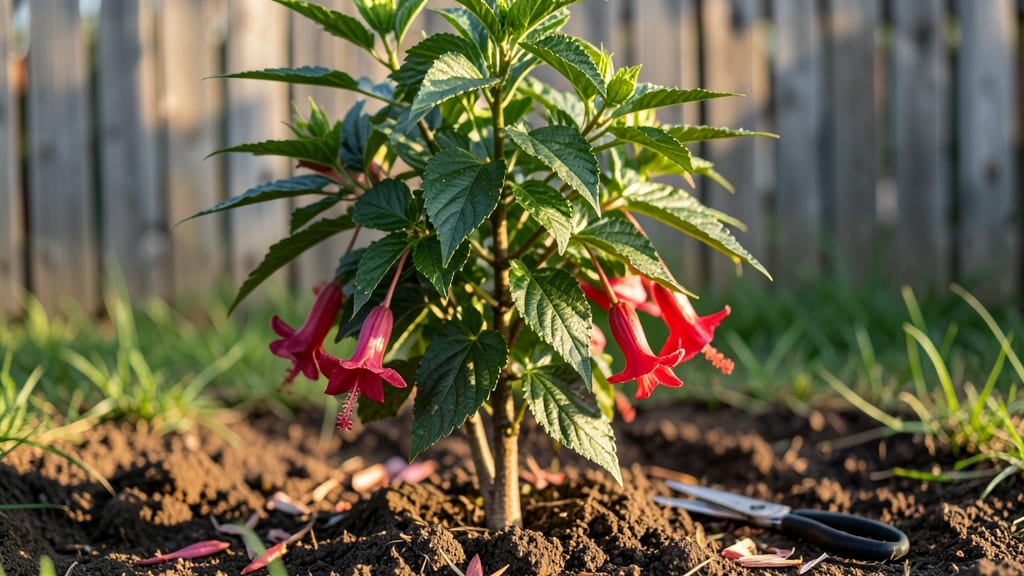
The roselle hibiscus cold tolerance is a common stumbling block for gardeners in cooler climates, but with the right approach, you can keep this tropical beauty thriving year-round.
If you love the bold flavor and vibrant blooms of roselle hibiscus 🌺 but live in a chilly climate, you’re not alone—many gardeners struggle with its cold sensitivity. But with the right strategies, you can successfully grow this tropical favorite even in frost-prone USDA zones.
Roselle hibiscus, native to warmer regions, typically thrives in zones 9-11 but can be coaxed into survival in zones as low as 6a with careful protection. Whether you’re in a temperate zone or facing early frosts, understanding its limits—and how to extend its growing season—is the key to success.
In this guide, I’ll break down exactly how roselle hibiscus handles cold, share proven overwintering tips, and compare it to hardier hibiscus varieties so you can decide what works best for your garden.
USDA zone limits for roselle hibiscus: where can it survive winter?
Roselle hibiscus (Hibiscus sabdariffa) thrives in USDA zones 8-11, where warm winters and long growing seasons create ideal conditions. However, many gardeners in zones 5-7 still grow it successfully using protective strategies.
The key difference lies in frost sensitivity—roselle can't tolerate temperatures below 28°F (-2°C) for long periods.
While 'Red Roselle' varieties handle slightly cooler temps than 'Green Roselle', all types will suffer damage when exposed to freezing temperatures. In my experience, even a light frost (32°F/0°C) can stunt growth, while hard freezes (below 20°F/-7°C) will kill the plant entirely.
Here's how roselle hibiscus performs across USDA zones, with critical survival thresholds:
| USDA Zone | Cold Tolerance | Winter Survival | Growth Pattern | Notes |
|---|---|---|---|---|
| Zones 5-6 | 20-28°F (-7 to -2°C) | ❌ Not survivable outdoors | Annual or container-grown | Requires winter protection or indoor overwintering |
| Zone 7 | 25-30°F (-4 to -1°C) | ⚠️ Marginal survival | Perennial with heavy mulch | Use 12"+ mulch and cold frames |
| Zones 8-9 | 28-32°F (-2 to 0°C) | ✅ Survives with protection | Perennial with winter care | Prune back in late winter; mulch heavily |
| Zones 10-11 | td style="padding: 8px;">30-35°F (-1 to 2°C)✅ Thrives year-round | Perennial with no protection | Minimal winter dieback; may need light pruning |
In zones 5-6, roselle hibiscus acts as an annual plant unless you bring it indoors before frost. I've had success growing it in large containers that I move to a garage or basement during winter.
The 'Red Roselle' variety tends to handle cooler temps better than 'Green Roselle', which is more sensitive to cold stress.
For gardeners in zone 7, the plant can survive winters with heavy mulching (12"+) and a protective cover. I've used straw mulch combined with a frost blanket to extend the growing season by several weeks.
Even with protection, expect some leaf damage during hard freezes, but the roots often survive to regrow in spring.
In zones 8-9, roselle hibiscus behaves like a perennial shrub with proper winter care. The key is to prune back the plant in late winter (just before new growth starts) and apply a thick layer of mulch around the base.
This helps insulate the roots and prevents frost heave, which can damage the plant's structure.
Gardeners in zones 10-11 enjoy the easiest growing conditions, as roselle hibiscus thrives year-round with minimal care. In these areas, the plant may even flower continuously if given enough water and nutrients. However, even in warm climates, a light pruning in late winter helps maintain shape and encourages bushier growth.
One common misconception is that roselle hibiscus can't be grown in cooler climates at all. While it's true that unprotected plants won't survive in zones below 7, with the right strategies—like container growing, mulching, or season extension—you can enjoy this tropical plant even in chilly regions.
The secret lies in understanding its frost thresholds and planning accordingly.
For example, in my zone 6b garden, I grow roselle hibiscus in 15-gallon containers that I move to an unheated garage when temperatures drop below 35°F (2°C). This simple strategy has allowed me to harvest roselle calyces for tea and cooking well into October each year.
If you're considering growing roselle hibiscus in a cooler climate, start with smaller varieties like 'Red Roselle', which tend to be slightly more cold-tolerant. Pair this with seasonal protection strategies, and you'll be rewarded with bold flavors and vibrant blooms all season long.
Proven strategies to extend roselle hibiscus cold tolerance in cold climates
Roselle hibiscus (Hibiscus sabdariffa) thrives in warmth but struggles when temperatures dip below 30°F (-1°C). In colder climates, protecting your plants from frost is essential to preserve their tropical beauty and flavorful calyces.
The good news? With the right techniques, you can extend the growing season and even overwinter young plants successfully.
My top strategy involves creating a protective barrier around the plant's roots and foliage. This not only insulates against freezing temperatures but also prevents soil heaving—a common issue in freeze-thaw cycles that can damage roots.
Let’s explore the most effective methods I’ve tested in my own USDA Zone 6a garden.
- Layer thick mulch (6+ inches) using straw or shredded leaves in late fall. Organic mulch breaks down slowly, providing insulation and moisture retention.
- Use black plastic mulch in early spring to warm soil faster. Remove it once nighttime temps stay above 40°F (4°C).
- Build a DIY cold frame with clear plastic lids and wooden frames. This traps heat during the day and releases it slowly at night.
- Choose container gardening for young plants. Move pots to a sheltered location (like a garage or basement) before the first frost.
- Prune back woody stems in early spring to encourage new growth. This reduces the plant’s exposure to cold damage.
- Plant near south-facing walls or fences to create a microclimate. These areas absorb and radiate heat, protecting plants from frost.
When comparing organic vs. synthetic mulch, I’ve found that organic options like straw or wood chips work best for roselle hibiscus. They improve soil structure over time and provide better insulation than synthetic alternatives.
For example, a 4-inch layer of straw can raise soil temperatures by 3-5°F (2-3°C) compared to bare soil.
For gardeners in USDA Zones 5-6, overwintering roselle hibiscus in containers is a game-changer. Simply move potted plants to an unheated garage or shed where temperatures stay above 32°F (0°C).
Water sparingly during dormancy to prevent root rot, and resume regular care in spring. This method has allowed me to grow roselle hibiscus for two consecutive years in my Zone 6a garden!
Another key tip: Avoid pruning in late fall. Instead, wait until early spring to trim back damaged stems. This gives the plant time to harden off naturally and reduces stress.
If you notice yellowing leaves or wilting after a cold snap, it’s a sign the plant needs immediate protection—like covering it with a frost blanket or moving it to a sheltered spot.
With these strategies, you can push the limits of roselle hibiscus cold tolerance and enjoy its vibrant blooms and tangy calyces year after year—even in colder climates. Start small, experiment with mulching, and don’t hesitate to get creative with containers or microclimates! 🌱