
Companion Plants
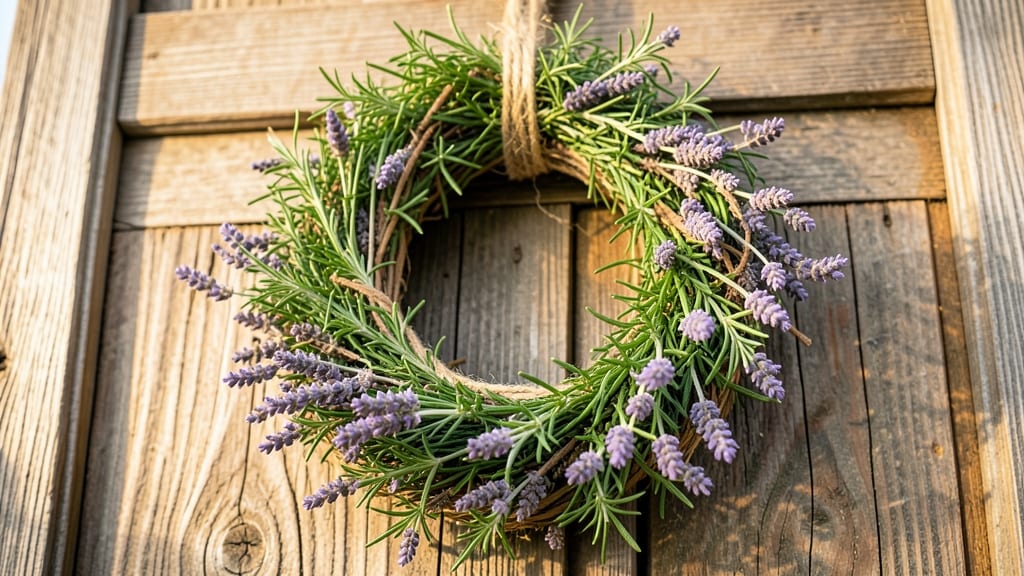
Discover 10 powerful rosemary and lavender pairings that create fragrant, pest-repelling gardens while boosting pollinator activity. These natural combinations work together to deter insects, enhance growth, and elevate your outdoor space’s sensory appeal.
Rosemary Lavender Border For Butterfly Gardens
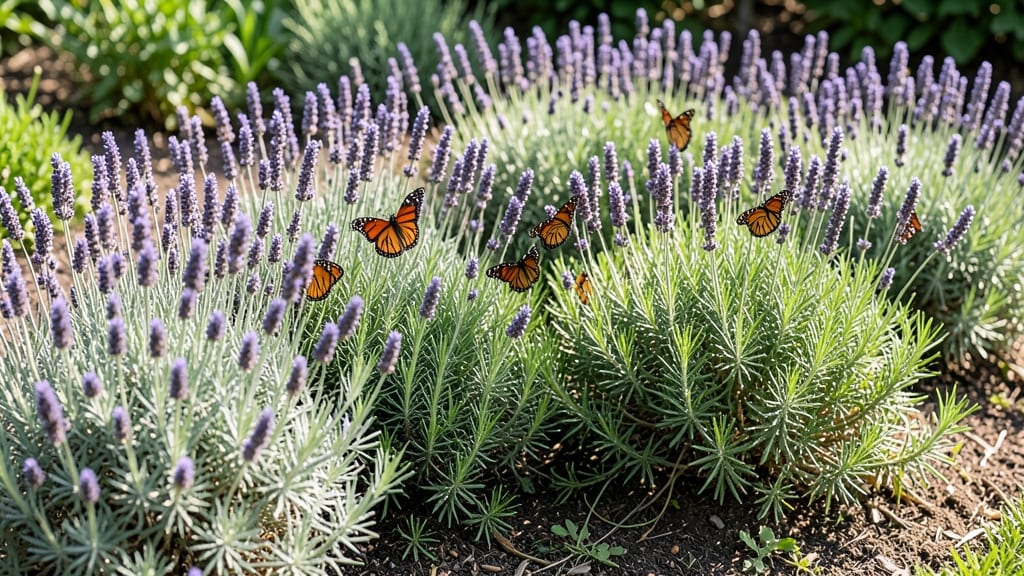
Transform your garden into a butterfly magnet with a fragrant border of rosemary and lavender—this dynamic duo doesn’t just look stunning, it actively attracts monarchs and swallowtails while keeping pests like aphids and whiteflies at bay.
Plant lavender in clusters along the back of your border (18-24 inches apart) for its nectar-rich blooms, then weave rosemary (spaced 12-18 inches apart) through the front. Both thrive in full sun and well-draining soil, making them perfect for cottage-style gardens. The rosemary’s woody stems create a natural windbreak, while lavender’s silvery foliage adds texture and scent that repels unwanted insects.
This border is especially rewarding for pollinator enthusiasts—monarch caterpillars adore the lavender, and the rosemary’s piney fragrance keeps pests from damaging your other plants. Plant it along pathways or near seating areas to enjoy the dual benefits of beauty and natural pest control. 🌟
Lavender Rosemary Potpourri For Indoor Pest Control
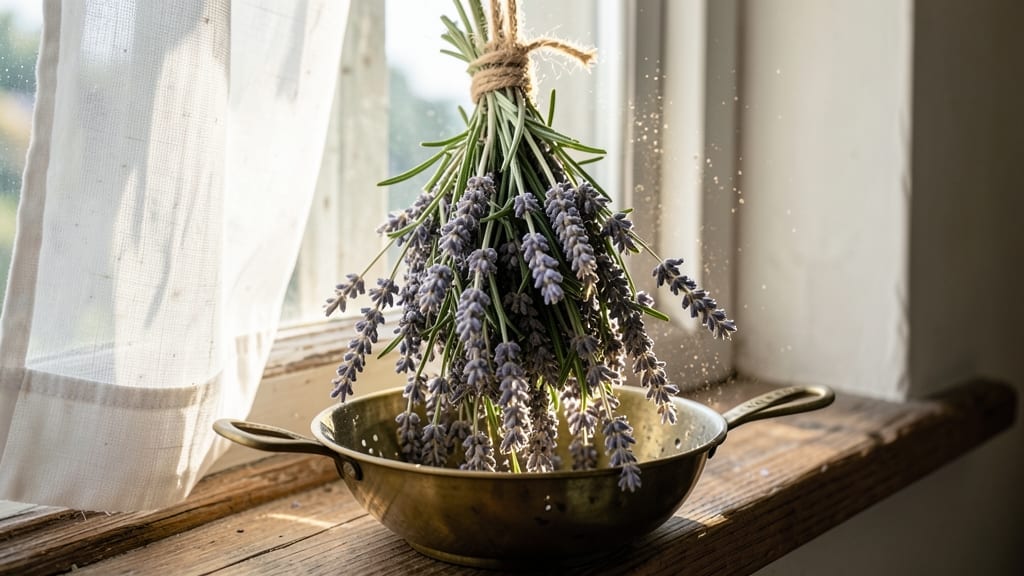
Skip the pesticides and bring the garden indoors with lavender-rosemary potpourri bundles—your secret weapon against moths and mosquitoes. These fragrant bundles are perfect for apartments, tiny homes, or closets where outdoor planting isn’t an option, yet you still want to keep pests at bay.
Harvest lavender buds and rosemary sprigs when fully dried, then tie them into small bundles with twine or raffia. Hang them in kitchens, pantries, or near windows to create a natural aromatherapy barrier. The citronella-like scent of rosemary and camphor notes of lavender confuse flying insects, while their dried texture deters crawling pests like moths. Refresh bundles every 3-4 months or when they lose their fragrance.
This DIY solution is ideal for urban gardeners, renters, or anyone with limited outdoor space. Plus, it doubles as a decorative home fragrance—no chemicals, just pure plant power. 💚
Rosemary Lavender Companion Planting For Tomatoes

Want to protect your tomatoes without chemicals while maximizing your small vegetable patch? Planting rosemary and lavender at the base of your tomato plants creates a natural pest barrier that works better than many store-bought solutions.
This dynamic duo repels hornworms (tomato plants' worst enemies) and whiteflies with their strong fragrance, while their deep root systems improve soil aeration and suppress weeds. Space them 12-18 inches from tomato stems to avoid competition, and water consistently—both herbs thrive in well-draining soil with full sun. The lavender's purple blooms also attract pollinators that benefit nearby crops.
This space-saving technique is perfect for urban gardeners, container growers, or anyone with limited vegetable garden space who still wants to grow tomatoes without constant pest battles. 🌱
Lavender Rosemary Living Mulch For Fruit Trees
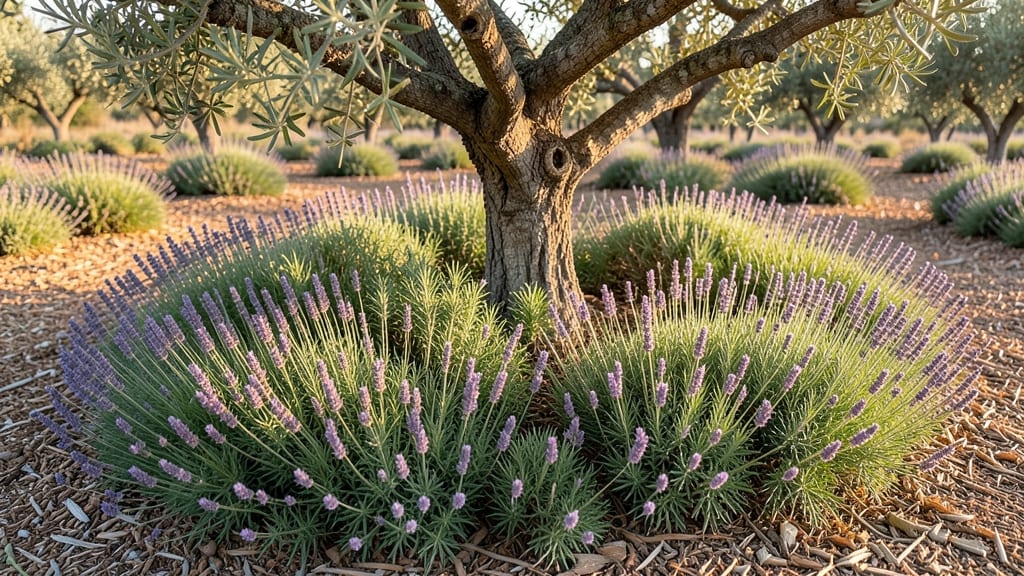
Transform your fruit tree base into a fragrant, low-maintenance ecosystem with a lavender and rosemary living mulch. This dynamic duo doesn't just smother weeds—it actively repels codling moths, a notorious apple pest, while releasing a calming aroma that lingers in your garden.
Plant these drought-tolerant herbs in a 2-foot-wide band around your fruit trees, spacing them 12-18 inches apart for optimal coverage. Their shallow roots won't compete with your trees, and their woody stems create a natural barrier that blocks light from weed seeds. The fragrant oils they release also deter rabbits and deer from browsing your young trees.
This solution is especially valuable for urban orchards or small backyard fruit growers who want to reduce chemical use. The best part? You'll harvest fresh rosemary for cooking while enjoying the year-round fragrance and pest protection. 💚
Rosemary Lavender Infused Oil For Aromatherapy

Transform your garden into a fragrant sanctuary with rosemary lavender infused oil—a dual-purpose remedy that repels flying pests while soothing stress. This cold-pressed blend harnesses the power of both herbs to create a versatile oil perfect for aromatherapy, body care, or even garden sprays.
To make your own, simply combine fresh rosemary sprigs and lavender buds in a carrier oil like jojoba or olive oil, then steep in sunlight for 2-4 weeks. Strain and store in a dark glass bottle. Use a few drops in diffusers to deter mosquitoes or mix with water for a natural garden spray. The antiseptic properties of rosemary and calming scent of lavender make this blend ideal for DIY gardeners who love natural solutions.
This remedy is perfect for those who want to extend their garden's benefits beyond the soil—whether you're crafting spa treatments or keeping pests at bay. 💚
Lavender Rosemary Hedge For Privacy Screens
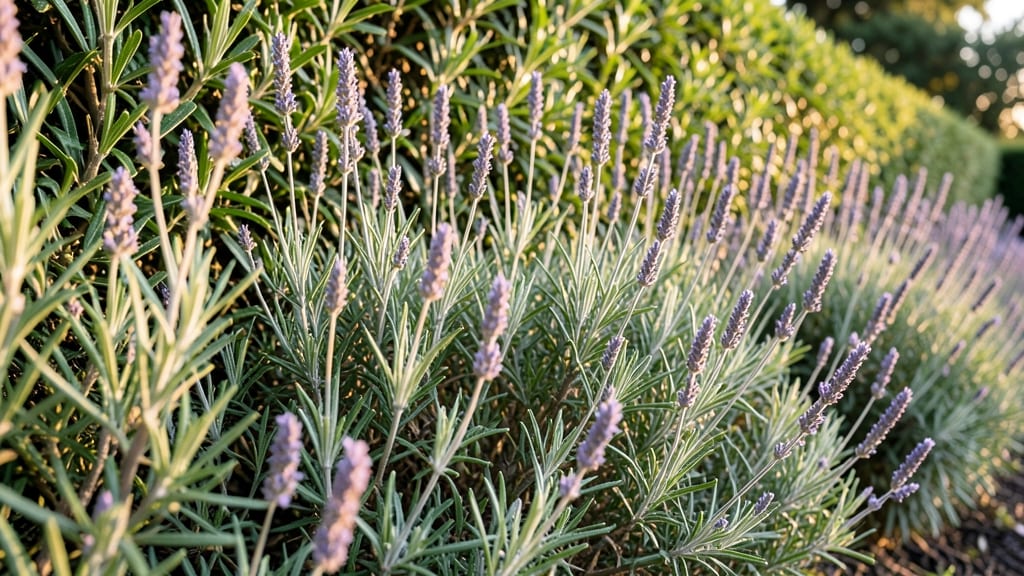
Tired of noisy neighbors or unsightly fences? A lavender-rosemary hedge offers a fragrant, living solution that doubles as a natural privacy screen while keeping critters at bay. Unlike dense evergreens, this duo thrives in sunny spots with minimal fuss, providing year-round greenery with a soothing scent.
Plant lavender (the taller variety) in the back and rosemary (spreading types) in front for a layered look. Both are drought-tolerant and deer-resistant, making them perfect for urban yards or suburban backyards. Trim lightly after flowering to encourage bushier growth—no heavy pruning needed! The aromatic foliage also deters rabbits and insects, adding an extra layer of protection.
This hedge is ideal for gardeners who want low-maintenance beauty without sacrificing functionality. Perfect for small spaces, patios, or as a border between properties, it’s a win for both aesthetics and practicality. 💚
Rosemary Lavender Succulent Planters For Rooftops
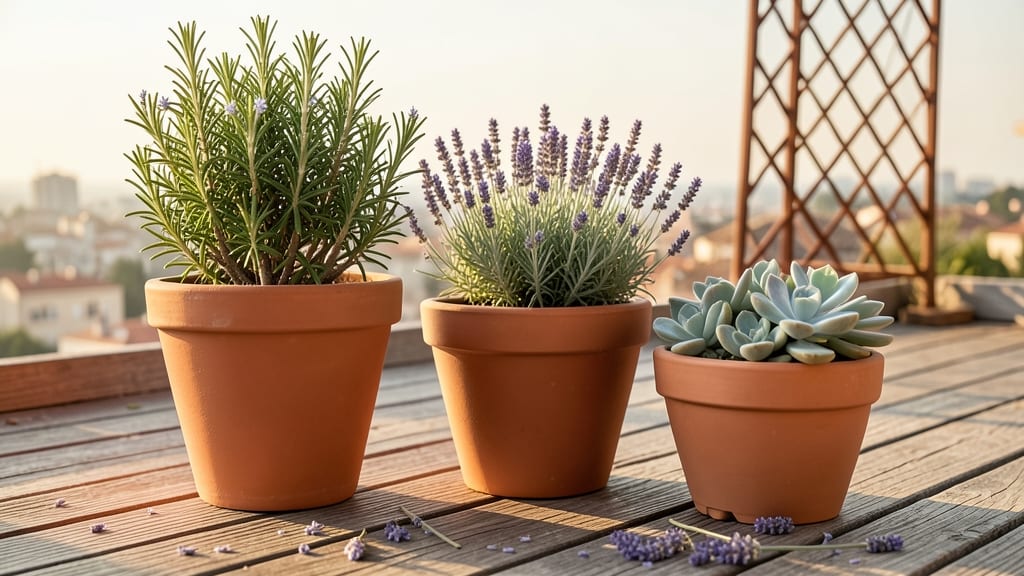
Turn your rooftop or balcony into a fragrant Mediterranean oasis with rosemary, lavender, and succulents in stylish planters. This drought-tolerant trio thrives in containers, requires minimal watering, and naturally repels pests like aphids and mosquitoes—ideal for urban spaces with limited soil.
Use well-draining terracotta pots (3–5 gallons) to mix upright rosemary, spreading lavender, and sedum or echeveria succulents. Place in full sun (6+ hours daily) and water only when the top inch of soil feels dry. The succulents help retain moisture, while the herbs add aromatic beauty and pest-deterrent properties.
Perfect for renters or small-space gardeners, this combo transforms concrete jungles into serene retreats. The low-maintenance design ensures thriving plants with minimal effort. 🌻
Lavender Rosemary Tea For Garden Soil Fertility
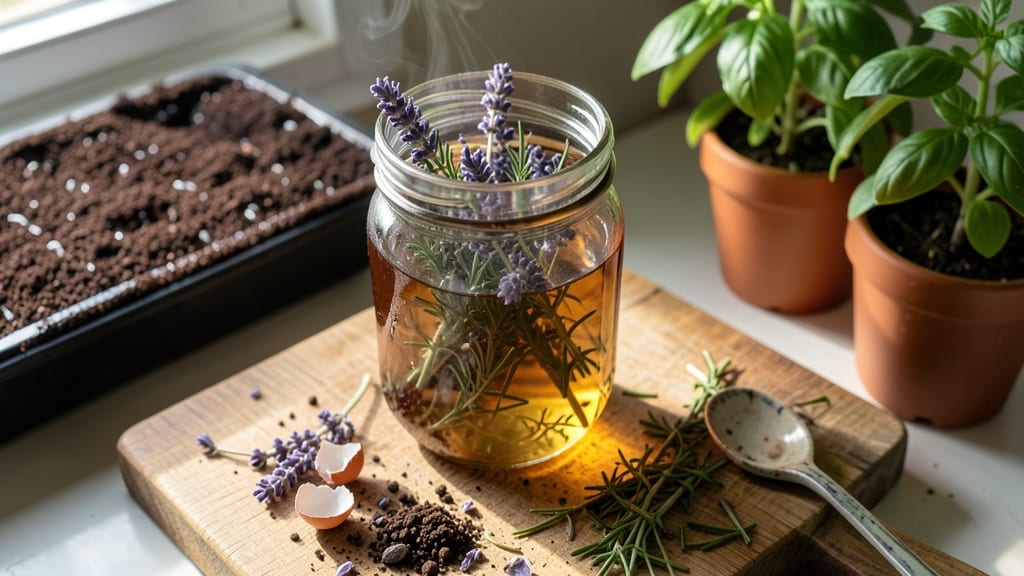
Turn your kitchen scraps into a nutrient-rich soil booster with this simple lavender-rosemary tea trick. Instead of tossing wilted sprigs, steep them in hot water for 24 hours to create a natural fertilizer that repels fungus gnats while adding organic matter to seed-starting trays or potted plants.
The tea’s antifungal properties break down into beneficial compounds that improve soil structure and deter pests without harsh chemicals. Use it as a weekly foliar spray or pour it directly into pots—just dilute 1:1 with water for best results. This method is perfect for urban gardeners or anyone with limited outdoor space.
This zero-waste technique gives new life to herbs you’d normally discard while keeping your seedlings thriving. 🌱
Rosemary Lavender Windbreak For Coastal Gardens
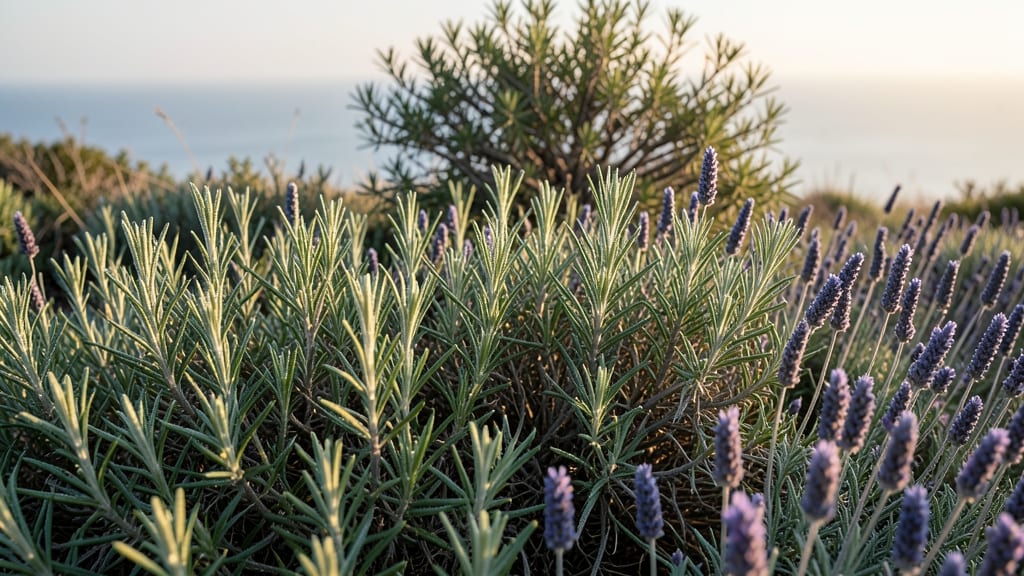
Tired of battling windburn and beetle infestations in your coastal garden? A rosemary and lavender windbreak is your secret weapon. These two Mediterranean herbs thrive in salty, windy conditions while creating a natural barrier that protects delicate plants from harsh coastal elements.
Plant rosemary (the taller variety) on the windward side, followed by lavender in the leeward row. Their combined fragrance repels beetles and other pests while their sturdy stems reduce wind damage to nearby plants. For best results, space them 18-24 inches apart in well-draining soil with full sun exposure—they’ll reward you with year-round greenery and a soothing aroma.
This low-maintenance solution is perfect for gardeners along shorelines, dunes, or high-wind areas who want to preserve their plants without chemicals. 💚
Lavender Rosemary Wreath For Year-Round Pest Deterrent

Skip the chemical sprays this season—your lavender rosemary wreath is the ultimate natural pest barrier. Hang one on your door or garden fence, and watch mosquitoes, spiders, and even ants take a wide detour. The aromatic oils from both plants create a protective shield that lasts all year, even after drying.
To craft yours, bundle fresh lavender sprigs and rosemary stems with twine or wire, then let them dry completely in the sun. Replace your wreath every 3-4 months for maximum effectiveness. This project takes just 20 minutes and uses what you already have in your garden. Perfect for gardeners who love low-maintenance, high-impact solutions!
Ideal for patios, porches, or garden gates, these wreaths are especially useful during mosquito season or when storing outdoor tools. Plus, they add rustic charm to any entryway while keeping pests at bay. 🌻