
Pruning
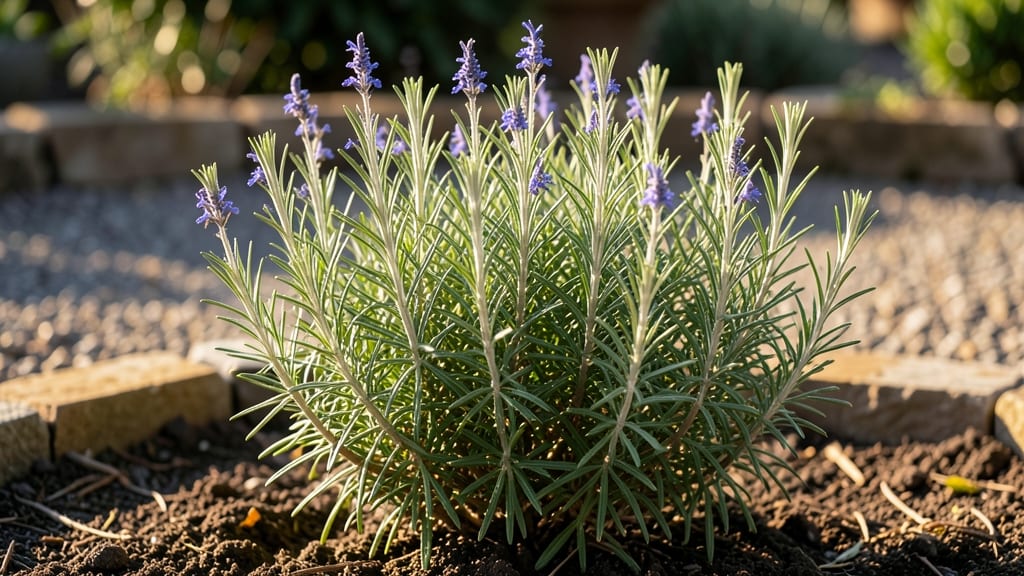
The size of a rosemary bush can balloon to 3 to 5 feet tall with a spread of 3 to 4 feet—but that’s only if you let it grow wild. 🌿 I’ve seen rosemary plants in my own garden that looked like unruly shrubs. but with a few strategic cuts, they became the perfectly shaped, fragrant centerpiece of my herb border.
The key isn’t just pruning; it’s understanding how rosemary grows and what it needs to stay compact and healthy.
Rosemary naturally grows in two main forms: upright and trailing. Upright varieties like ‘Arp’ or ‘Hill Hardy’ stay bushier, while sprawling types like ‘Prostratus’ spread outward. Sunlight and soil type play huge roles too—rosemary in full sun with well-draining soil grows faster and denser, while poor conditions slow it down.
The result? A plant that’s either lush and manageable or leggy and woody. I’ve learned the hard way that neglect leads to both.
With the right pruning, you’ll end up with a rosemary bush that’s neat, fragrant, and productive—not a tangled mess. A light trim after flowering keeps it from getting too woody, while a harder cut in early spring encourages fresh growth.
The best part? You’ll have more stems to harvest for cooking, and your garden will look like it was designed by a pro. Here’s how to make it happen without sacrificing health or flavor.
Whether you’re working with a small container or a full herb bed, these techniques adapt easily. The goal isn’t just size control—it’s creating a rosemary bush that’s perfect for your space and your needs. Let’s get started with the pruning secrets that actually work.
📚 In This Guide
- What you need
- Instructions
- Tips and common mistakes
- Wrapping up and next steps
What you need
- ● Rosemary bush: Mature plant (1–3 years old) with a height of at least 12–18 inches (30–45 cm) for pruning. Choose a healthy specimen with no signs of disease.
- ● Pruning shears: Bypass pruners (sharp, clean, and sterilized with rubbing alcohol) for clean cuts. Avoid anvil pruners—they can crush stems.
- ● Gloves: Garden gloves (nitrile or leather) to protect hands from thorns and sap.
- ● Disinfectant: 70% isopropyl alcohol or a 10% bleach solution (1 part bleach to 9 parts water) to sterilize tools between cuts.
- ○ Pruning saw (optional): For thicker stems over ½ inch (1.25 cm) in diameter.
- ○ Pruning sealant: Tree wound pruning paste (optional) to protect large cuts from infection.
- ● Marking twine or flags: To label sections for structured pruning (e.g., shaping into a hedge).
- ● Compost bin or bag: For collecting pruned clippings (rosemary regrows easily from cuttings!).
- ● Watering can or hose: To hydrate the plant before and after pruning (especially in dry climates).
- ○ Sunlight meter (optional): To check if your rosemary gets 6+ hours of sun daily—critical for post-pruning recovery.
How to prune rosemary for perfect height and shape
Here's the method I swear by—pruning rosemary isn't just about size control, it's about unlocking bushier growth and keeping your plant thriving for years.
✂️ Step 1: Time Your Pruning for Maximum Growth
Prune rosemary in early spring just as new growth begins, or after flowering in late spring to early summer. This is when the plant is most resilient and ready to respond with vigorous new shoots. Never prune in fall or winter—rosemary needs its energy to survive dormant months, and cutting back then stresses the plant.
Watch for the first flush of new growth in spring—those tiny ½-inch green shoots at the tips of branches are your signal. That's when you'll see the best results from pruning. I always prune mine in March here in Zone 8, and the plant rewards me with dense growth by summer.
✂️ Step 2: Use the Right Tools and Technique
Grab your sharp bypass pruners (never dull scissors—they crush stems) and clean them with rubbing alcohol first. Rosemary has woody stems that can harbor bacteria, so clean tools between cuts. Make your cuts at a 45-degree angle, about ¼ inch above a leaf node where new growth emerges.
Here's the thing—don't cut into old wood. If you see bare, brown stems, you've waited too long. Healthy rosemary should have green stems with leaves all the way down. When pruning, I like to step back and visualize the plant's shape—I'm aiming for a rounded, full bush, not a flat-topped tree.
🌿 Step 3: Shape for Bushiness, Not Just Height Control
For a compact, bushy rosemary, cut back one-third of the oldest growth each year. Focus on the inner branches first—these get leggy and bare from lack of light. Remove any dead or crossing branches completely at their base. You'll notice the plant opens up immediately, letting light reach all sides.
If you're growing rosemary for harvesting, leave the outer growth longer—those are your future harvest stems. The key is balance: prune the center to encourage bushiness while preserving the outer framework. I always leave at least 6-8 inches of height on my plants, even after pruning—this keeps them manageable while maintaining their structure.
☀️ Step 4: Post-Pruning Care for Rapid Recovery
After pruning, give your rosemary a deep watering to help it recover. The roots need moisture to support all that new growth you've just encouraged. Water at the base only—wetting the leaves can cause fungal issues. You'll see new shoots emerging within 2-3 weeks if conditions are right.
Move your pruned rosemary to the sunniest spot in your garden—it needs full sun (6+ hours daily) to compensate for the energy it spent producing leaves. If you're growing it in a container, fertilize lightly with a balanced 10-10-10 fertilizer after pruning to support new growth. I use about ½ teaspoon per gallon of water, applied every 4-6 weeks during the growing season.
⏰ Step 5: Maintain Year-Round for Perfect Shape
After the initial spring pruning, do a light maintenance trim every 4-6 weeks during the growing season. Pinch back the tips of new growth to encourage branching. This keeps your rosemary dense and compact rather than letting it grow tall and leggy. I always carry small pruning shears in my gardening apron for quick touch-ups.
In fall, cut back any overly long or leggy growth by about half, but avoid heavy pruning. The plant needs to prepare for dormancy. Mulch around the base with 2-3 inches of organic mulch to protect roots during winter. With this routine, my rosemary stays perfectly shaped and productive year after year—no more scraggly, overgrown bushes!
Tips & tricks for perfect rosemary bush size
These game-changing insights will transform your rosemary from scraggly to showstopping—no more leggy, bare stems!
Timing is Everything: The early spring window (just as those ½-inch green shoots appear) is your golden opportunity—this is when rosemary responds most dramatically. I've seen plants double in density within weeks when pruned at this exact stage. If you miss spring, the next best time is after flowering in late spring, but avoid fall pruning completely (that's when rosemary stores energy for winter). Real talk: I learned this the hard way after pruning in November and nearly losing my plant!
The 45-Degree Angle Secret: That 45-degree cut above the leaf node isn't just decorative—it's how you prevent water from pooling on the stem, which causes rot. I always visualize cutting just above where new leaves would emerge if I left the stem intact. Pro tip: Use a ruler to measure your ¼-inch clearance—it makes all the difference when you're working with multiple stems. And for heaven's sake, never use kitchen scissors—they crush stems and invite disease.
Bushiness Formula: Here's what nobody tells you—it's not about cutting back uniformly. Focus on the inner third of oldest growth first (that's where light gets blocked), then work your way outward. I treat my rosemary like a sculpture: removing the center first creates instant air circulation, which prevents fungal issues. Leave those outer stems at least 6-8 inches tall—they're your plant's future harvest framework and sunlight collectors.
Recovery Boost: That deep watering after pruning isn't optional—it's your plant's lifeline. I've seen rosemary wilt dramatically after pruning only to bounce back within days when given proper hydration. The 2-3 weeks for new shoots to appear assumes you've given it full sun (6+ hours) and proper moisture. If you're growing in containers, that ½ teaspoon of 10-10-10 fertilizer per gallon every 4-6 weeks during growing season makes a world of difference in recovery speed.
Pro Tips for Rosemary Bush Size
- These game-changing insights will transform your rosemary from scraggly to showstopping—no more leggy, bare stems!
- Timing is Everything: The early spring window (just as those ½-inch green shoots appear) is your golden opportunity—t...
- The 45-Degree Angle Secret: That 45-degree cut above the leaf node isn't just decorative—it's how you prevent water f...
Frequently asked questions
Got questions about managing your rosemary bush size? You’re not alone! Here are some of the most common queries—plus straightforward answers to keep your herb thriving.
How tall does a rosemary bush typically grow?
A rosemary bush can reach 3 to 6 feet tall and 3 to 5 feet wide if left unpruned. Dwarf varieties stay compact (1–2 feet), while standard types grow taller. Pruning regularly keeps it manageable and encourages bushier growth.
When is the best time to prune for size control?
Prune rosemary after flowering (late spring to early summer) or in early spring before new growth starts. Avoid heavy pruning in winter—it’s dormant and more vulnerable. Light trimming after harvest also works!
Can I prune rosemary too much?
Yes! Over-pruning removes too many leaves, leaving bare stems and stressing the plant. Never trim more than ⅓ of the bush at once. Focus on shaping rather than drastic cuts—rosemary recovers slowly.
Why is my rosemary bush getting leggy or sparse?
Leggy growth usually means lack of light or overcrowding. Move it to full sun (6+ hours/day) and prune back leggy stems to encourage new shoots. If roots are bound, repot or divide the plant to refresh growth.
What’s the best way to keep rosemary compact in containers?
For container-grown rosemary, prune lightly every 4–6 weeks to maintain shape. Use well-draining soil and a pot with drainage holes. Pinch back tips in spring to promote bushiness—just avoid cutting into woody stems!
Wrapping up and next steps
Mastering the rosemary bush size is all about balance—pruning at the right time, using the correct tools, and understanding your plant’s growth habits. With patience and practice, you’ll transform your rosemary into a thriving, manageable shrub that enhances both your garden and your cooking. 🌿✨
Ready to take the next step? Start small—pick one bush to experiment with pruning techniques, then gradually expand your skills. Before you know it, you’ll be the rosemary whisperer in your neighborhood!