
Container Gardens
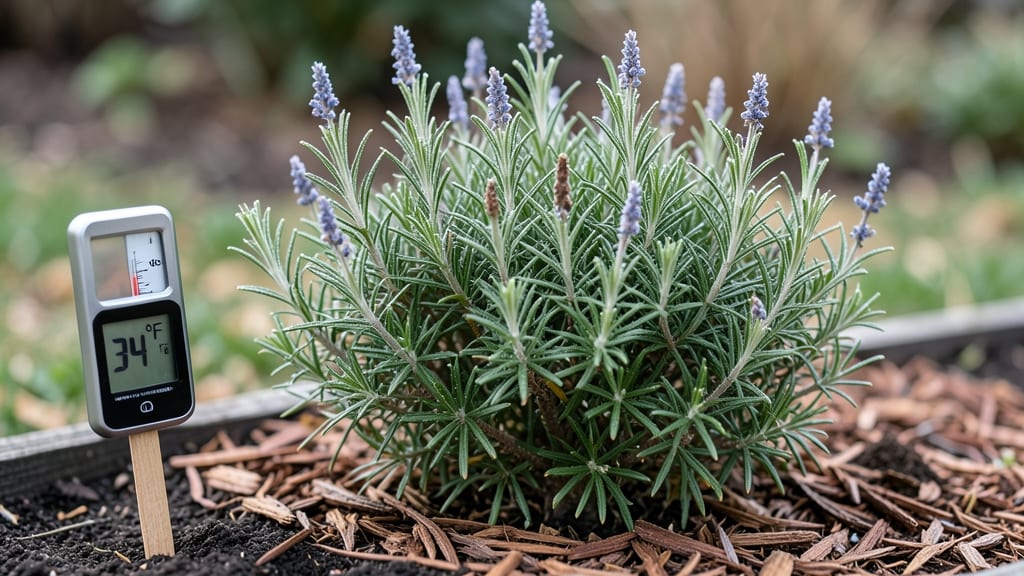
Rosemary’s impressive freeze tolerance often surprises gardeners—it thrives in USDA zones 7-10 and can handle brief dips to 20°F with the right care. 🌿 I’ve kept my rosemary alive through Zone 5 winters by treating it like a tough Mediterranean native, not a delicate annual.
The key isn’t freezing it to death but protecting it from prolonged cold and windburn.
Cold damage shows up as brown, crispy stems or blackened foliage, but the roots often survive. If your rosemary looks like a sad skeleton after frost, don’t toss it—prune back the dead growth in spring, and it’ll bounce back with fresh, fragrant shoots.
The real trick is mulching (3-4 inches of straw or shredded leaves) and moving potted plants to a sheltered spot or garage before temperatures drop below 15°F.
For gardeners in zones 6 and colder, overwintering indoors is foolproof: trim the plant, pot it up, and place it near a sunny window. Keep the soil barely moist, and you’ll have a lush, productive rosemary ready for spring planting.
The scent alone makes it worth the effort—nothing beats snipping fresh stems for cooking or garnishes in late winter.
Myth-busting tip: Rosemary doesn’t need to be a tender annual. With proper winter prep, it’ll reward you with 3-5 years of harvests—far longer than most store-bought plants last. Start with these steps, and you’ll break the cycle of buying new rosemary every spring.
📚 In This Guide
- What you need
- Instructions
- Tips and common mistakes
- Wrapping up and next steps
What you need
- ● Rosemary plants: 1–3 hardy varieties (e.g., Rosmarinus officinalis ‘Arp’ or ‘Hill Hardy’). Choose established plants (1–2 years old) for better cold tolerance.
- ● Containers: 1–3 pots per plant (minimum 12–14 inches deep and 10–12 inches wide). Use terracotta or fabric pots for drainage.
- ● Well-draining potting mix: 3–5 gallons per container. Mix 50% cactus/succulent soil + 30% perlite/pumice + 20% coarse sand.
- ● Mulch: 1–2 inches of gravel, pebbles, or straw (avoid organic mulch—it retains moisture).
- ○ Cold frames or row covers: 1–2 lightweight frost blankets or a small hoop house (optional but helpful for sub-freezing temps).
- ● Drainage trays: 1–3 trays (if using pots without feet).
- ● Slow-release fertilizer: 1–2 tbsp per plant (low-nitrogen, like 10-10-10 or 5-10-10).
- ● Heat mat or grow lights: For seedlings or early spring starts (if extending the growing season).
- ● Pruning shears: Sharp, sterilized shears for trimming dead growth post-winter.
- ● pH test kit: To ensure soil pH is 6.0–7.0 (rosemary prefers slightly acidic to neutral).
How to protect and winterize rosemary in cold climates
Rosemary can handle surprisingly chilly weather with the right prep—here’s how to keep your plants thriving through frost.
🌿 Step 1: Choose the Hardiest Rosemary Varieties
Not all rosemary is created equal when it comes to cold. Upright varieties like 'Arp' or 'Hill Hardy' tolerate 10-15°F better than bushier types. If you live in Zone 7 or colder, stick with these cold-hardy types—they’ll bounce back after light freezes where others might die back to the ground.
I always check the label before buying. Even within the same species, some rosemary plants are bred specifically for cold tolerance. If you’re growing from cuttings or seeds, ask your supplier which varieties perform best in your climate. The extra effort now saves heartache later.
☀️ Step 2: Plant in the Warmest, Driest Spot Possible
Rosemary hates soggy roots, and cold soil worsens the problem. Plant in full sun where the ground stays dry—south-facing slopes or raised beds are ideal. Avoid low spots where frost settles or water pools. I’ve seen rosemary survive 20°F in well-drained soil but rot in heavy clay.
If you’re transplanting, do it in early spring so roots establish before winter. The deeper the root system, the better the plant recovers from cold snaps. Amend heavy soil with sand or grit to improve drainage—this is non-negotiable for rosemary in cold zones.
🪴 Step 3: Mulch Strategically to Insulate Roots
Once temperatures dip toward 30°F, spread 3-4 inches of mulch around the base. Use straw, pine needles, or shredded bark—avoid dense materials like wood chips, which can hold too much moisture. The goal is to protect roots while allowing airflow to prevent rot.
I like to mound soil slightly around the base before mulching—this creates a natural barrier against radiant frost. In Zone 6 or colder, add a burlap wrap around the plant for extra protection. Check mulch after heavy rains to prevent waterlogging, which can be deadlier than frost.
⏰ Step 4: Prune and Protect Before Frost Hits
Cut back any dead or damaged growth in early fall, but avoid heavy pruning—you want foliage to shield the plant. Once consistent temps drop below 40°F, stop fertilizing. Rosemary stores energy in its wood, and feeding late in the season encourages tender new growth that won’t survive winter.
For Zone 5 and colder, dig up potted rosemary or container-grown plants and store them in a garage or unheated shed with 30-40°F temps. Wrap the pots in bubble wrap and check soil moisture monthly—it shouldn’t dry out completely but needs to breathe.
❄️ Step 5: Monitor and Recover After Freezes
After a hard freeze, wait 2-3 weeks before pruning damaged stems. Rosemary often looks worse than it is—new growth will sprout from the base if roots survived. Cut back only the blackened or mushy parts with clean, sharp shears. Healthy stems stay green or turn brown but remain firm.
If your rosemary dies back completely, don’t give up. Many cold-hardy varieties regrow from the crown in spring. I’ve revived plants that looked dead after -5°F freezes—just be patient. Water sparingly in early spring until new shoots appear, then resume normal care.
Tips & tricks for winterizing rosemary in cold climates
Real talk: Even the hardiest rosemary needs a little extra TLC to survive winter. These tricks have saved my plants from multiple brutal winters—don't skip them!
Variety Matters: If you're buying rosemary, check the label for cold-hardy varieties like 'Arp' or 'Hill Hardy'—they're bred to handle 10-15°F without batting an eye. I learned this the hard way after losing three plants to a single freeze. These upright varieties also recover faster from winter damage than bushier types.
Soil Prep is Non-Negotiable: Before planting, mix sand or grit into heavy clay soil to improve drainage. I've seen rosemary survive 20°F in well-drained soil but rot completely in waterlogged conditions. This one change made the difference between a thriving plant and a lost investment.
Mulching Timing Trick: Don't wait until the first frost to mulch—once temperatures dip toward 30°F, spread that 3-4 inches of straw or pine needles. I've had plants survive -5°F with proper mulching, but the ones I mulched late always suffered. The key is insulating roots before the ground freezes solid.
Zone-Specific Protection: For Zone 6 or colder, add a burlap wrap around your plants after mulching. I've seen this simple step protect rosemary through -10°F nights. In Zone 5 and colder, potted rosemary needs special attention—move it to a garage with 30-40°F temps and wrap pots in bubble wrap to prevent temperature shock.
Pro Tips for Rosemary Freeze Tolerance
- Real talk: Even the hardiest rosemary needs a little extra TLC to survive winter.
- Variety Matters: If you're buying rosemary, check the label for cold-hardy varieties like 'Arp' or 'Hill Hardy'—they're bred to handle 10-15°F without batting an eye.
- Soil Prep is Non-Negotiable: Before planting, mix sand or grit into heavy clay soil to improve drainage.
Frequently asked questions
about rosemary freeze tolerance—because even hardy herbs need a little TLC in chilly weather!Can rosemary survive a hard freeze (below 20°F/-7°C)?
Most rosemary varieties are semi-hardy and can tolerate brief dips to 15°F (-9°C), but prolonged hard freezes (below 20°F/-7°C) will likely kill the plant. If you’re in Zone 7 or colder, opt for Rosmarinus officinalis 'Arp' or grow rosemary in containers for easier winter protection.
How do I know if my rosemary is damaged after a freeze?
Check for brown, mushy stems or blackened leaves—these are signs of freeze damage. If only the tops are affected, trim back to healthy green growth (about 2–3 inches from the base). If the roots are still firm, new shoots may regrow in spring!
Is potted rosemary more freeze-tolerant than in-ground plants?
No—potted rosemary is less freeze-tolerant because containers lack soil insulation. However, they’re easier to move to a sheltered spot (garage, porch, or against a sunny wall) before temperatures drop. Use mulch or bubble wrap for extra protection.
What’s the best way to overwinter rosemary in cold climates?
For Zone 6 and colder, dig up potted rosemary and store it in a cool, dark place (50–60°F/10–15°C) with minimal water. Alternatively, mound soil around the base of in-ground plants or cover with straw or burlap for insulation.
Can I grow rosemary indoors year-round to avoid freeze damage?
Indoor rosemary thrives near a sunny window (6+ hours of light) or under grow lights. Just ensure good drainage and prune regularly to encourage bushiness. Bonus: Indoor rosemary stays perpetually harvestable!
Wrapping up and next steps
Rosemary’s ability to thrive in cold climates—with the right care—proves that even hardy herbs can flourish beyond their typical zones. By choosing rosmarinus officinalis varieties like 'Arp' or 'Hill Hardy,' providing protective mulching, and using containers for flexibility, you’re well on your way to year-round harvests. 🌿❄️
Ready to put your newfound knowledge to work? Start by selecting your cold-hardy rosemary and testing your microclimate—your garden (and taste buds) will thank you!