
Companion Plants
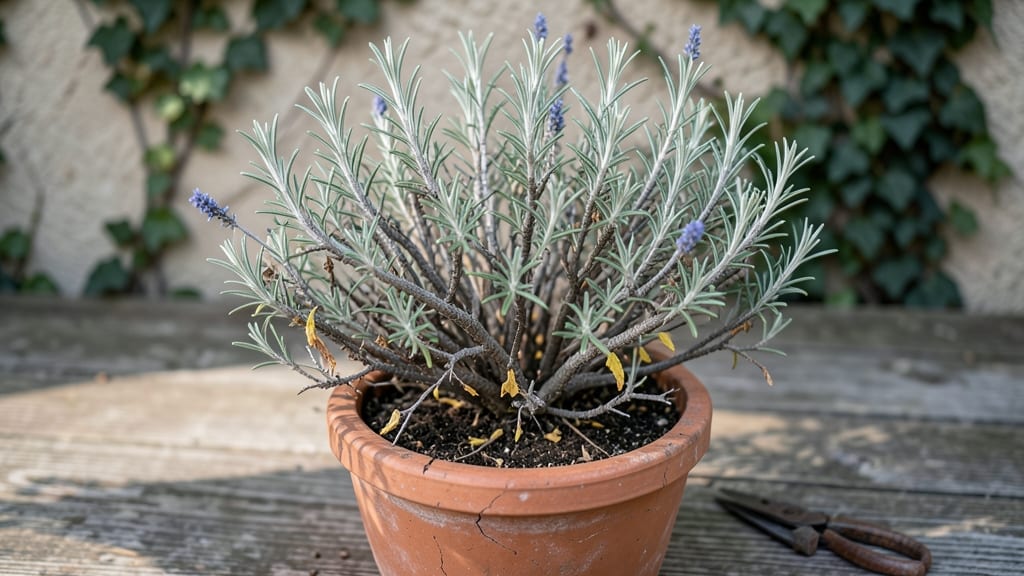
Your rosemary gone bad doesn’t mean it’s dead—just overworked. 🌿 I’ve nursed back more woody, yellowing bushes than I’d like to admit, and the secret lies in understanding what went wrong.
Overwatering, poor drainage, or even too much love (yes, really) can turn your fragrant shrub into a sad, leggy stick.
Most "bad" rosemary suffers from one of three issues: root rot from soggy soil, fungal infections from humidity, or nutrient burn from over-fertilizing. The good news?
All three fix with the same three steps: prune back dead growth, repot in fresh, gritty soil, and adjust your watering to once a week (or less).
Within weeks, you’ll see fresh green shoots pushing from the base, and by next spring, that same plant will be bushier and more fragrant than ever. The key is patience—rosemary hates rushing, but it rewards consistency with needle-like foliage that smells like a Mediterranean vacation.
This works for both potted and in-ground rosemary, though containers give you more control over soil and drainage. Once revived, keep it in full sun, water deeply but infrequently, and prune lightly in early spring to encourage dense growth.
What Triggers Rosemary Decline
Rosemary’s woody, fragrant charm can fade fast when conditions spiral out of control. Understanding the root causes—literally and figuratively—helps you diagnose and fix the issue before it’s too late. Here’s why your rosemary might be struggling, broken down by the most common culprits.
Rosemary thrives in drought-tolerant conditions, and too much water is its silent killer.
When soil stays soggy, roots suffocate from lack of oxygen, leading to: - Root rot (a fungal infection that turns roots mushy and black). - Yellowing leaves (chlorosis) due to nutrient uptake failure. - Stunted growth as energy shifts from roots to survival mode.
Why it happens:
- Clay-heavy or compacted soil holds excess moisture, trapping rosemary in a waterlogged prison.
- Overzealous watering (especially in winter) tricks rosemary into thinking it’s a rainforest plant.
- Lack of drainage in pots or garden beds forces water to pool at the roots.
Actionable fix: Amend soil with perlite or coarse sand (20-30% mix) and water only when the top 1-2 inches are bone-dry. Elevate pots to improve airflow.
Rosemary is a Mediterranean native, so it hates humidity and freezes easily.
When temperatures swing too far: - Heat stress (above 90°F/32°C) causes: - Wilting (leaves curl to reduce water loss). - Sunburn (bleached or crispy leaf edges). - Cold damage (below 20°F/-7°C) triggers: - Blackened stems (cell rupture from ice crystals). - Dormancy or death in tender varieties like ‘Arp’.
Why it happens:
- High humidity (common in summer) smothers rosemary, encouraging powdery mildew (white fungal growth).
- Frost or sudden cold snaps disrupt cellular function, leading to browning and dieback.
- Poor airflow in dense plantings traps heat and moisture, creating a stress cocktail.
Actionable fix: Plant in full sun with afternoon shade in scorching climates. Mulch with gravel (not organic matter) to insulate roots. In winter, protect with burlap wraps or move potted rosemary to a sheltered spot.
Rosemary is a low-maintenance herb—it doesn’t need rich soil to survive. Too many nutrients (especially nitrogen) lead to:
- Soft, pale leaves (excess nitrogen promotes leafy growth over fragrance).
- Leggy, weak stems (a sign of imbalance).
- Salt buildup (from synthetic fertilizers) that burns roots.
Why it happens:
- Compost or manure adds too much nitrogen, making rosemary floppy and less aromatic.
- Synthetic fertilizers (high in NPK) create a "feast or famine" cycle, stressing the plant.
- Poor soil pH (below 6.0 or above 7.5) locks out essential micronutrients like iron or magnesium.
Actionable fix: Use low-phosphorus, organic fertilizer (like fish emulsion) once a year in early spring. Test soil pH and amend with lime (to raise pH) or sulfur (to lower it) if needed. No fertilizer? No problem—rosemary often thrives in lean, mineral-rich soil.
Rosemary’s resilience isn’t foolproof. When pests or pathogens attack, they drain energy and block photosynthesis, turning your herb into a sad, skeletal shadow.
| Culprit | Signs of Trouble | Why It Happens |
|---|---|---|
| Aphids | Sticky honeydew, curled leaves | Cluster in humid conditions; suck sap, spreading viruses. |
| Spider Mites | Fine webbing, speckled yellow leaves | Thrive in dry heat; pierce cells for fluids. |
| Root-Knot Nematodes | Stunted growth, gnarled roots | Microscopic worms feed on roots, disrupting water uptake. |
| Powdery Mildew | White powdery coating on leaves | Fungal growth from poor airflow + moisture. |
Why it happens:
- Stressed plants (from overwatering or poor soil) are easier targets.
- Monoculture planting (growing rosemary in isolation) invites pests with no natural predators.
- Weakened immunity from nutrient deficiencies or physical damage (like pruning wounds).
Actionable fix:
- Blast pests with a strong spray of water (disrupts aphids/mites).
- Introduce companion plants like lavender or thyme (repel pests naturally).
- Prune infected leaves and sterilize tools with rubbing alcohol to prevent spread.
- Apply neem oil (fungicidal and pest-repellent) as a preventative spray every 2-3 weeks in humid seasons.
Reviving Wilted Rosemary Quickly
If your rosemary has turned gone bad—whether from overwatering, drought, pests, or disease—don’t toss it just yet! With the right steps, you can often revive it and even prevent future issues. Below are targeted solutions based on the root cause, plus pro tips to keep your rosemary thriving year-round.
If your rosemary feels soggy, smells foul, or has blackened stems, it’s likely suffering from overwatering or root rot.
🔥 Step 1: Trim the Damage
- Use sterilized pruning shears to snip away any black, mushy stems or leaves. Cut back to healthy green growth—this helps redirect energy to recovery.
🍳 Step 2: Repot in Fresh Soil
- Remove the plant from its pot and inspect the roots. If they’re brown, mushy, or smell like rot, trim them with clean scissors.
- Repot in a well-draining mix (cactus or succulent soil works great) with added perlite or sand for aeration.
👨🍳 Step 3: Adjust Watering Habits
- Let the top 1–2 inches of soil dry out completely before watering again. Rosemary hates wet feet—think "drought-tolerant," not "thirsty."
- Place the pot in a sunny spot with good airflow—no soggy saucers!
💡 Prevention Tips
- Use pots with drainage holes—non-negotiable!
- Water only when the soil is bone-dry (stick your finger in to check).
- Consider a terracotta pot—it breathes better than plastic.
If your rosemary looks crispy, droopy, or has grayish leaves, it’s likely thirsty—or worse, suffering from heat stress.
🥘 Step 1: Hydrate Gently
- Give it a deep watering—soak the soil until water runs out the drainage hole. Avoid light misting, which encourages shallow roots.
- If the plant is severely wilted, soak the pot in a tray of water for 10–15 minutes—this helps rehydrate without shocking the roots.
🔪 Step 2: Prune Damaged Foliage
- Trim back any crispy, brown leaves—they won’t recover. Focus on fresh green growth to encourage new shoots.
⏰ Step 3: Move to Better Conditions
- If outdoors, provide afternoon shade—rosemary burns easily in intense heat.
- If indoors, place it near a south-facing window (or under grow lights) for 6+ hours of sunlight daily.
🌡️ Prevention Tips
- Mulch lightly—but only with coarse materials like gravel (no organic mulch—it retains too much moisture).
- Group rosemary with drought-loving companions—like lavender, thyme, or sage—to mimic its natural habitat.
- In extreme heat, water in the early morning—this reduces evaporation.
Sticky leaves, tiny webs, or clusters of bugs mean your rosemary has uninvited guests. Act fast—these pests can weaken the plant quickly.
🔥 Step 1: Isolate & Inspect
- Move the plant away from others to prevent spreading.
- Check the undersides of leaves—that’s where pests love to hide.
🍳 Step 2: Blast Them Off
- For light infestations: Spray with a soapy water solution (1 tsp mild dish soap + 1 quart water). Let it sit for 10 minutes, then rinse.
- For stubborn pests: Use neem oil spray (1 tbsp neem oil + 1 tsp soap + 1 quart water). Reapply every 5–7 days for 2 weeks.
👨🍳 Step 3: Encourage Beneficial Bugs
- Release ladybugs or lacewings—they’re natural predators of aphids and mites.
- Plant marigolds or nasturtiums nearby—they repel pests and attract helpful insects.
💡 Prevention Tips
- Inspect new plants before bringing them home—quarantine for a week if possible.
- Avoid over-fertilizing—soft, new growth attracts pests.
- Prune regularly—healthy airflow reduces hiding spots for bugs.
White powdery spots or orange rust-like patches mean fungus has taken hold. Rosemary is tough, but fungal issues need immediate action.
🔥 Step 1: Remove Infected Parts
- Snip off all affected leaves and stems—don’t leave them near the plant.
- Sterilize your pruners with rubbing alcohol to avoid spreading spores.
🥘 Step 2: Fungicide Treatment
- Spray with a baking soda solution (1 tsp baking soda + 1 quart water + a drop of soap). Reapply every 7–10 days.
- For severe cases, use a copper fungicide (follow label instructions).
🌿 Step 3: Improve Airflow & Light
- Space plants apart—crowding encourages fungal growth.
- Ensure 6+ hours of sunlight daily—fungi thrive in damp, shady conditions.
✨ Prevention Tips
- Water at the base—avoid wetting leaves (especially in humid climates).
- Avoid overhead sprinklers—they spread fungal spores.
- Rotate plants if indoors to ensure even sunlight exposure.
With these fixes, your rosemary should bounce back in 2–4 weeks. For extra insurance, propagate healthy cuttings to start fresh—just stick them in water or soil, and watch new growth sprout! 🌱
Frequently asked questions
Why does my rosemary turn yellow first before dying completely?
Yellowing leaves are your rosemary’s SOS signal—usually from overwatering or nutrient deficiency. When roots can’t absorb water properly (often due to soggy soil or compacted roots), the plant sheds older leaves first. Check soil moisture by sticking your finger 1-2 inches deep—if it’s damp, cut back watering immediately.
Can I save rosemary with blackened stems?
Yes! Blackened stems often mean root rot or fungal infection. Trim away all blackened sections down to healthy green growth, then repot in fresh, gritty soil with perlite or sand. Water only when the top 1-2 inches are completely dry. If roots smell foul, soak them in hydrogen peroxide (3%) for 10 minutes before repotting.
How do I know if my rosemary is beyond saving?
If the entire plant is brown and mushy with no green growth, or if the stems are hollow and crumbly, it’s likely dead. However, if you see green shoots at the base or along the stems, prune back the dead parts and give it fresh conditions—it might surprise you! For stubborn cases, take cuttings from any healthy stems to propagate new plants.
Why does my rosemary smell weaker after revival?
Stressed rosemary often loses its signature aroma because it redirects energy to survival. Give it 3-4 weeks of consistent care (full sun, proper drainage, and minimal watering) before expecting full fragrance. The best flavor comes from mature plants—prune lightly in spring to encourage dense, aromatic growth.
Can I use rosemary cuttings from a dying plant to grow new ones?
Even from a struggling plant, healthy stems can root easily. Cut 4-6 inch sections just below a leaf node, remove lower leaves, and place in water or moist soil. Keep in bright, indirect light and mist occasionally. Roots should form in 2-3 weeks—just avoid overwatering the cuttings!