
Mower
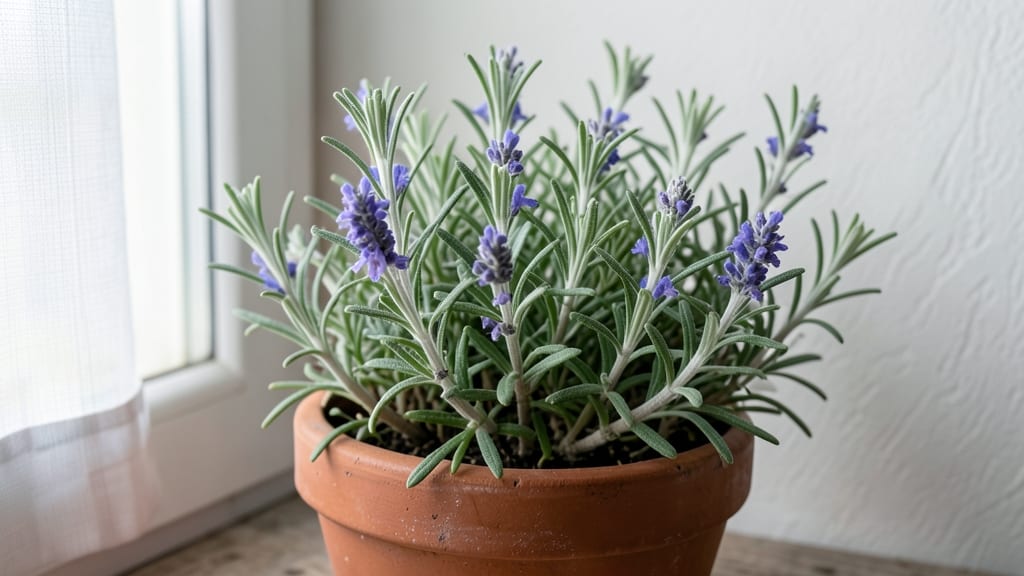
With its rosemary height and width ranging from 3 to 6 feet tall and 2 to 4 feet wide—but the right variety and pruning can fit it into even the smallest garden or container.
Picture this: your rosemary 🌿 sprawling across a windowsill like a fragrant green carpet, or standing tall like a mini evergreen tree. The difference? The variety you choose—and how you train it.
Some types stay low and bushy, while others reach for the sky, so picking the right one for your space makes all the difference.
If you’ve ever struggled to keep rosemary from taking over (or worse, dying from neglect in a cramped pot), you’re not alone. The key is understanding how each type grows, when to prune for shape, and how much room it really needs.
Below, I’ll break down the best varieties for small spaces, how to control their size, and the spacing tricks that keep your garden—and your herb—happy.
Ready to grow rosemary that fits your space and your harvest goals? Let’s dive into the varieties, pruning tips, and container hacks that make it work—whether you’re working with a balcony or a backyard.

Rosemary height and width by variety: compact vs. bushy vs. tall types
Choosing the right rosemary variety depends on your space and gardening goals. Some varieties stay compact, perfect for containers or window boxes, while others grow tall and bushy, ideal for hedges or border plants.
Understanding these differences helps you plan your garden layout without overcrowding or wasted space. Whether you're working with a small balcony or a sprawling yard, selecting the right size ensures healthy growth and easy maintenance.
Rosemary's mature height and width vary dramatically between varieties. For example, Prostratus rosemary spreads horizontally like a ground cover, while Tuscan Blue grows upright like a small tree. Knowing these differences helps you decide whether to plant rosemary in containers, borders, or as a hedge.
Let’s explore the most popular varieties and their space requirements to help you make the best choice for your garden.
If you're working with limited space, Prostratus rosemary is my top recommendation. Its low height and wide spread make it perfect for containers or window boxes, where it can spill over edges beautifully.
Plant it 12–18 inches apart to create a lush, cascading effect. This variety thrives in well-draining soil and full sun, making it low-maintenance and ideal for beginners.
For a bushy, manageable size, Arp rosemary is a fantastic choice. It stays compact, reaching only 1–2 feet tall and 2–3 feet wide, making it perfect for small gardens or patio pots.
Space these plants 18–24 inches apart to encourage fuller growth. This variety is also drought-tolerant, so it’s great for xeriscaping or areas with hot, dry climates.
When you need a taller, more structured plant, Hill Hardy rosemary delivers. It grows 2–3 feet tall and 3–4 feet wide, making it ideal for hedges or border plants.
Space these varieties 2–3 feet apart to allow for airflow and prevent disease. This type is hardy in USDA zones 5–9, so it’s versatile for many climates.
Tuscan Blue rosemary is the tallest variety, reaching 3–5 feet tall and 4–6 feet wide at maturity. It’s perfect for background planting or hedges in larger gardens. Plant these 3–4 feet apart to give them room to grow without overcrowding. This variety has striking blue-green foliage, adding visual interest to your landscape.
No matter which variety you choose, rosemary thrives in full sun and well-draining soil. Always plant in a location with at least 6 hours of sunlight daily to ensure healthy growth.
If you’re growing rosemary in containers, use pots with drainage holes and a minimum size of 12 inches for compact varieties or 18–24
How to control rosemary height and width for small spaces
Rosemary thrives in tight spaces when you use the right techniques. Without control, even compact varieties can sprawl or grow leggy, taking over your garden. The key lies in pruning timing, container selection, and training methods tailored to your space.
For example, Prostratus rosemary stays under 12 inches tall but can spread 3 feet wide—perfect for ground cover, but needs containment in containers. Let’s break down how to keep your rosemary manageable year-round.
Start by choosing the right container size based on your rosemary variety. Most dwarf varieties like Rosemary 'Blue Spires' need at least 12-inch pots to prevent root binding, while standard types require 18-inch containers for stability. Use terracotta pots for better drainage, as rosemary hates soggy roots.
If planting in-ground, space varieties 2-3 feet apart to allow airflow and prevent disease. For example, Tuscan Blue rosemary can reach 5 feet tall but benefits from pruning to maintain a 3-foot height.
Here’s the key-takeaway for controlling rosemary size in small spaces:
Rosemary Size Control Guide
Trim back 1/3 of growth to encourage bushier, denser foliage. Use clean, sharp pruning shears to avoid tearing stems.
Dwarf varieties: 12-inch pots. Standard types: 18-inch pots with drainage holes.
Use stakes or trellises for upright varieties like Hill Hardy rosemary to guide growth and prevent sprawling.
Water deeply but only when soil is dry 2 inches down. Overwatering causes root rot and leggy growth.
Pruning is the most effective way to control both height and width. For upright varieties like Tuscan Blue, prune the top 1/3 of stems in early spring to encourage branching. For spreading types like Prostratus, trim the outer growth to keep it contained.
Always use sterilized shears to prevent disease spread. If your rosemary starts looking leggy, prune just above a leaf node to promote new shoots. This method works year-round but avoid heavy pruning in late summer to prevent winter damage.
Container gardening offers the most control over rosemary size. Choose pots with drainage holes and use a well-draining soil mix (like cactus or succulent mix) to prevent root rot. For compact varieties, a 12-inch pot is ideal, while larger varieties need 18-inch pots or deeper.
Repot every 2-3 years to refresh the soil and prevent root circling. If growing in hanging baskets, opt for trailing varieties like Rosemary 'Creeping' to maximize vertical space while keeping the plant contained.
Training rosemary to grow in a specific shape is another great technique for small spaces. For example, espalier training works well for upright varieties, guiding them along a fence or trellis to save space.
Simply tie the main stems to the support as they grow, pruning side shoots to maintain a flat, wall-friendly shape. This method is perfect for balconies or small patios where vertical space is limited. For ground cover varieties, use low edging or borders to contain their spread naturally.
Finally, remember that rosemary thrives on neglect—overwatering and over-fertilizing can lead to weak, leggy growth. Stick to a light feeding schedule (every 4-6 weeks in spring/summer) and water only when the soil is dry.
Mulch around the base with gravel or straw to retain moisture and suppress weeds without smothering the plant. With these techniques, you’ll keep your rosemary compact, healthy, and productive—no matter how small your space! 🌱