
Planting
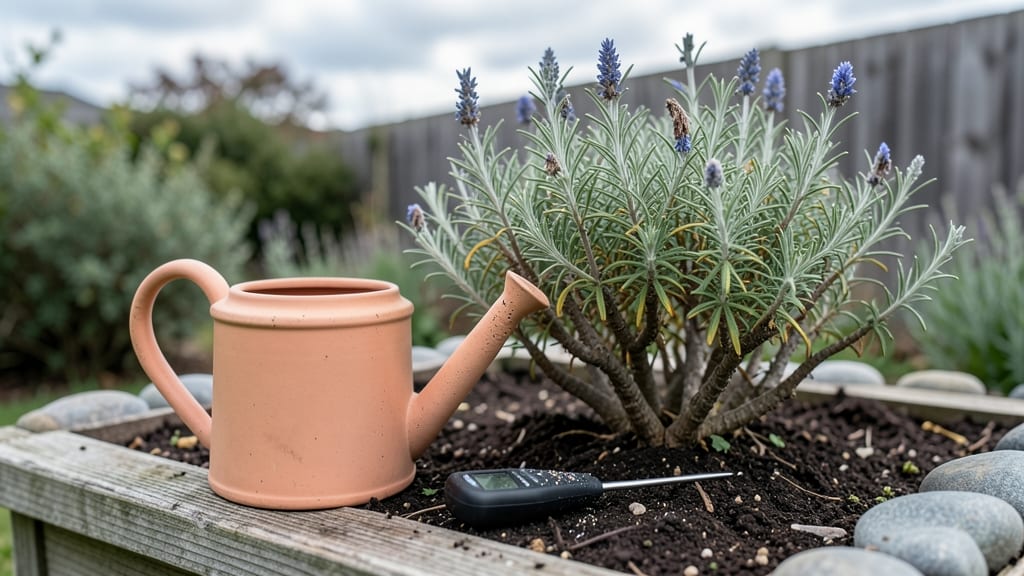
Your rosemary plant not growing might be screaming for help—but not in the way you think. 🌿 I’ve nursed back more than a few woody stems from sad, stunted bushes, and the fixes are simpler than you’d expect.
Most of the time, it’s not the plant’s fault—it’s just begging for the right conditions you might’ve overlooked.
The usual culprits? Too much water (rosemary hates soggy roots), not enough sun (this Mediterranean plant craves light like a vampire), or soil that’s too rich (it prefers lean, gritty mixes).
Even pests like spider mites can suck the life out of it without you noticing. The good news? Each problem has a straightforward fix—no green thumbs required.
By the end of this, your rosemary will be sending out fresh, fragrant new growth within weeks. We’re talking vibrant green stems, pine-like aroma, and a plant that actually thrives—not just survives. The key is checking just three things: water, light, and soil. Let’s get it growing again.
Whether you’re dealing with a potted plant on your kitchen windowsill or a garden bed struggling in partial shade, these fixes work. Rosemary’s tough once you give it what it truly needs—just don’t drown it or hide it in the shade. Ready to bring it back to life?
Root Causes Of Stunted Rosemary
Rosemary (Rosmarinus officinalis) is a hardy, drought-tolerant herb that thrives in sunny conditions—but when it stops growing, something’s off. Understanding the why behind its sluggishness is the first step to revival.
Below, we break down the most common culprits, backed by science, so you can diagnose and fix the issue fast.
Rosemary is a Mediterranean native, meaning it prefers well-draining, slightly alkaline soil with a pH between 6.0 and 8.0. If your soil is too dense, waterlogged, or nutrient-poor, roots struggle to absorb oxygen and essential minerals, stunting growth.
- Clay or compacted soil traps excess moisture, leading to root rot (a fungal infection that suffocates roots). Rosemary hates "wet feet"—even brief sogginess can halt growth.
- Lack of organic matter deprives the plant of nitrogen, phosphorus, and potassium, which are critical for cell division and energy production. Without these, new growth slows to a crawl.
- Incorrect pH levels (too acidic or alkaline) block nutrient uptake. For example, iron deficiency (common in alkaline soils) causes yellowing leaves and stunted stems.
💡 Pro Tip: Test your soil’s pH with a kit (available at garden centers). If it’s below 6.0, amend with lime; if above 8.0, mix in sulfur or peat moss.
Rosemary is a sun-worshipper and thrives in full sun (6–8+ hours daily). Too little light or extreme temperatures throw its growth cycle into overdrive—or shut it down entirely.
- Insufficient sunlight weakens photosynthesis, the process that fuels growth. Without enough light, the plant diverts energy to survival rather than producing new leaves or stems.
- Cold drafts or frost damage tender new growth. Rosemary tolerates temps down to 20°F (-7°C) but may go dormant or stop growing if exposed to prolonged cold (<40°F/4°C).
- Heat stress (above 90°F/32°C) can cause wilting or leaf drop, tricking the plant into conserving water instead of growing.
🌡️ Key Fix: Move potted rosemary to a south-facing window or under grow lights (12–16 hours/day) if indoors. Outdoors, ensure it’s in a protected, sunny spot away from late frosts.
Overwatering or underwatering are the #1 killers of rosemary. This drought-resistant plant stores water in its woody stems, so it hates consistently moist soil—yet it also wilts if left bone-dry for too long.
- Overwatering leads to root rot (a fungal infection that blocks water and nutrient uptake). Symptoms include yellowing leaves, mushy stems, and a foul smell at the base.
- Underwatering causes the plant to go dormant, conserving energy until conditions improve. Leaves may curl or drop, and growth halts entirely.
- Inconsistent watering (e.g., soaking one day, then drying out) stresses the plant, triggering transpiration shock and stunted growth.
⏰ Watering Rule: Let the top 1–2 inches of soil dry out between waterings. Stick your finger in the soil—if it’s damp, wait. If it’s dry, water deeply until it drains from the bottom of the pot.
Rosemary in pots is prone to root-bound stress when its roots outgrow the container. Crowded roots compete for nutrients and water, leading to slow or no growth.
- Small pots restrict root expansion, causing roots to circle the container (a sign of root binding). This reduces the plant’s ability to absorb water and minerals.
- Lack of drainage holes leads to waterlogging, suffocating roots and preventing oxygen uptake.
- Improper potting mix (e.g., heavy garden soil) compacts over time, reducing aeration and nutrient availability.
🔥 Quick Fix: Repot rosemary into a container 2–3 inches larger with a fast-draining mix (60% potting soil, 30% perlite, 10% coarse sand). Prune any circled or mushy roots before replanting.
Hidden invaders like aphids, spider mites, or whiteflies sap rosemary’s energy by feeding on sap, while diseases like powdery mildew or root rot clog its systems. When the plant fights off pests or pathogens, growth grinds to a halt.
- Sap-sucking pests (aphids, mites) inject toxins that distort leaves and stunt new shoots. Heavy infestations can kill the plant entirely.
- Fungal diseases (e.g., powdery mildew) coat leaves, blocking sunlight and reducing photosynthesis by up to 50%.
- Bacterial infections (like Xylella fastidiosa) clog vascular tissue, preventing water and nutrient transport.
🎯 Prevention: Inspect leaves weekly for pests. Treat with neem oil (1 tsp per quart of water) or insecticidal soap. For fungal issues, prune affected areas and avoid overhead watering.
Revive Your Rosemary Plant Now
If your rosemary isn’t growing, don’t panic—it’s often a fixable issue! Below are practical, step-by-step solutions tailored to the most common causes, plus prevention tips to keep your plant thriving. Let’s get your rosemary back on track.
Fix: Rosemary hates soggy roots, so well-draining soil is a must.
- 🌱 Repot with the Right Mix
- Use a cactus or succulent potting mix (or amend regular soil with perlite/sand for better drainage).
- If repotting, choose a terracotta pot—it breathes better than plastic and prevents root rot.
- 💧 Water Properly (Less Is More!)
- Water only when the top 1–2 inches of soil are bone-dry (stick your finger in to check).
- Never let it sit in water—empty saucers after watering to avoid root suffocation.
- Pro Tip: 💡 If your rosemary is in the ground, improve drainage by adding coarse sand or gravel to the soil before replanting.
- 🌿 Fertilize Lightly (If Needed)
- Rosemary is low-maintenance—over-fertilizing can burn roots.
- Use a balanced, water-soluble fertilizer (10-10-10) diluted to half-strength once in spring.
- Skip fertilizer in winter—rosemary rests then.
Prevention: ✔ Test your soil’s drainage—if water pools after 10 minutes, amend it. ✔ Avoid heavy, clay soil—rosemary prefers sandy, alkaline soil (pH 6.0–7.0).
Fix: Rosemary is a sun-worshipper—it needs 6+ hours of direct sunlight daily.
- 🌞 Move It to a Sunnier Spot
- Indoor rosemary? Place it near a south-facing window or use a grow light (12–14 hours/day).
- Outdoor rosemary? If it’s struggling, relocate to a full-sun area (even partial shade can weaken growth).
- 🌡️ Adjust for Heat Stress
- If leaves yellow or crisp, it may be too hot (especially in containers).
- Solution: Provide light afternoon shade in extreme heat (90°F+).
- Pro Tip: 🌡️ Mulch with gravel (not organic mulch) to regulate soil temp.
Prevention: ✔ Rotate pots occasionally so all sides get even light. ✔ Watch for leggy growth—a sign it’s not getting enough light.
Fix: Rosemary is drought-tolerant—most growth problems stem from watering mistakes.
- 🚰 Check for Overwatering
- Wilting + yellow leaves + mushy stems? You’re overdoing it.
- Let soil dry completely between waterings (even in summer).
- Pro Tip: 💡 Bottom-watering (place pot in a tray of water for 10 mins) encourages deep roots without soggy soil.
- 💦 Fix Underwatering
- Dry, crispy leaves + slow growth? It’s thirsty but not drowning.
- Water deeply until it drains from the bottom, then stop until the topsoil dries.
- 🌿 Prune Damaged Foliage
- Snip off brown, yellow, or mushy leaves to redirect energy to healthy growth.
- Use clean, sharp scissors to avoid spreading disease.
Prevention: ✔ Water in the morning so leaves dry quickly (prevents fungal issues). ✔ Group rosemary with other drought-loving plants (like lavender or thyme) for consistent care.
- 🌿 Trim for Bushiness: Cut back 1/3 of the plant to encourage new growth (do this in early spring).
- 🌡️ Boost Humidity (Indoor Plants): Place a pebble tray with water nearby to mimic Mediterranean conditions.
- 🍃 Try a "Rosemary Soak": If roots are healthy but growth is slow, soak the pot in lukewarm water for 10 mins to rehydrate.
Final Thought: Rosemary is hardy but picky—once you adjust its soil, light, and water, it’ll bounce back fast. Patience is key—some pruning and proper care can have it thriving in 4–6 weeks!
Need more help? Drop a comment below—we’ll diagnose your rosemary’s exact issue! 🌿✨
Frequently asked questions
Why is my rosemary turning brown at the tips?
Brown tips usually mean overwatering or low humidity. Rosemary stores water in its woody stems, so soggy soil causes root stress. Let the top 2 inches of soil dry out completely between waterings. For indoor plants, place a tray of pebbles with water nearby to boost humidity—this mimics its Mediterranean climate.
Can I grow rosemary indoors without sunlight?
Rosemary needs at least 6 hours of direct light daily—indoors, a south-facing window is ideal. Without sunlight, it’ll grow leggy and weak. If natural light isn’t enough, use a grow light (12–14 hours/day) to compensate. Even with grow lights, rotate the pot weekly so all sides get even exposure.
How often should I fertilize my struggling rosemary?
Too much fertilizer can burn roots and stunt growth. For struggling plants, use a balanced fertilizer (10-10-10) diluted to half-strength just once in spring. Skip fertilizer in winter—rosemary rests then. If your soil is poor, amend it with perlite or sand instead of fertilizing.
Is my rosemary dying, or is it just dormant?
Rosemary goes dormant in winter (especially in colder climates), slowing growth but not dying. Look for green stems and buds—if present, it’s just resting. If stems are completely brown and brittle, it may be dead. Prune back dormant plants in early spring to encourage new growth.
What’s the best way to revive a severely root-bound rosemary?
Root-bound rosemary needs immediate repotting. Gently remove it from its pot, trim any circled or mushy roots, then replant in a 2–3 inches larger container with a fast-draining mix (60% potting soil, 30% perlite, 10% sand). Water lightly and place it in bright, indirect light for 1–2 weeks to recover.